US Ramps Up Military Presence Amid Rising Oil Prices
The U.S. is sending thousands of additional Marines and sailors to the Middle East amid escalating attacks on energy sites, which are driving up global oil prices. President Trump stated he has no plans for U.S. ground troops in Iran but is seeking $200 billion for military support.

US Deploys Thousands to Middle East as Regional Tensions Flare
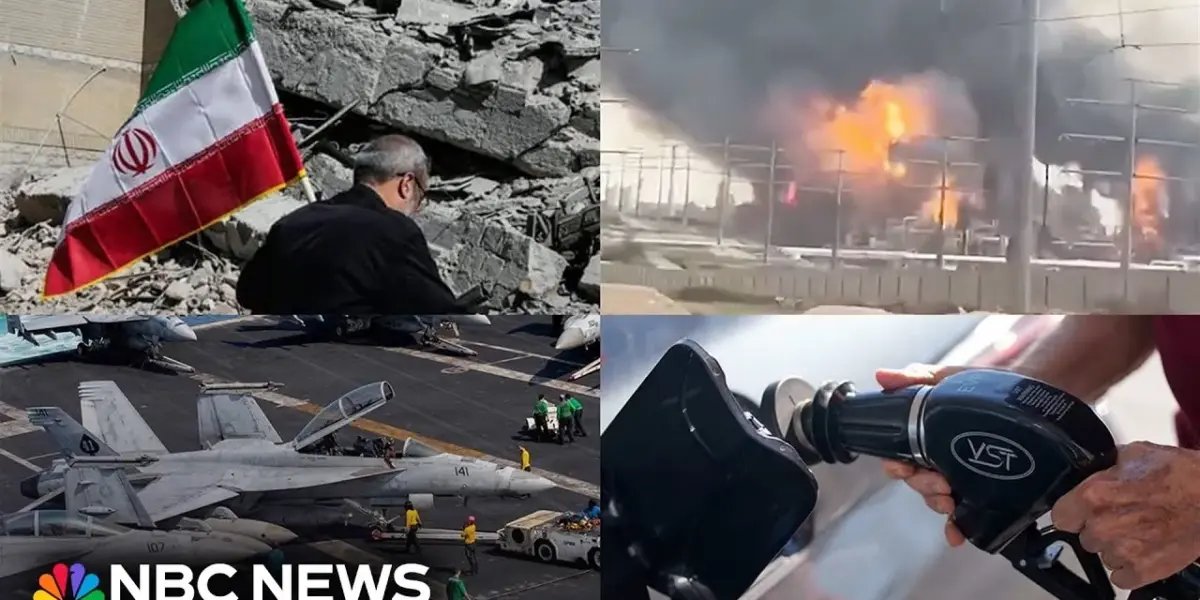
Thousands of U.S. Marines and sailors are being sent to the Middle East on an accelerated schedule. This deployment comes as attacks on energy sites in the region are escalating. These incidents are driving up oil and gas prices for consumers. The U.S. military action aims to deter further aggression and stabilize the volatile situation.
Attacks Intensify, Fueling Global Oil Market Concerns
Recent weeks have seen a dramatic increase in assaults targeting critical energy infrastructure. Dramatic images have emerged showing a major Iranian gas field engulfed in flames following an Israeli strike. Simultaneously, Iran has launched retaliatory attacks, igniting an oil installation in Saudi Arabia. These events highlight the growing instability in the region and its direct impact on global energy supplies. The fear of further disruptions is causing significant worry among international leaders and consumers alike.
President Trump Addresses Escalation and Military Actions
President Trump has been actively involved in discussions regarding the escalating conflict. He confirmed speaking with Israeli Prime Minister Benjamin Netanyahu about recent strikes. “I told him, don’t do that,” President Trump stated, indicating a desire to de-escalate certain actions. Netanyahu, however, asserted that Israel acted independently on a recent strike and acknowledged President Trump’s request to pause future attacks. The U.S. is also responding to threats, with a U.S. F-35 jet reportedly making an emergency landing after encountering enemy fire. The pilot landed safely, and the aircraft is reportedly in stable condition.
Economic Repercussions: Gas Prices Surge
The ongoing conflict is having a tangible effect on the wallets of Americans. The average price of gasoline has climbed by 90 cents per gallon in recent weeks. This price increase is a direct consequence of the disruptions and fears surrounding oil supplies from the Middle East. The U.S. Treasury Secretary has suggested potential measures to ease the economic burden, including the possibility of lifting sanctions on Iranian oil currently in transit. This move is being considered as a way to help stabilize energy prices.
White House Stance: No Ground Troops in Iran
Despite the increased military presence in the region, President Trump has been clear about his administration’s strategy. He has dismissed the possibility of deploying U.S. ground troops inside Iran. “I’m not putting troops anywhere,” President Trump stated, emphasizing a focus on deterrence and regional stability rather than direct ground intervention. The administration is requesting an additional $200 billion from Congress to support these efforts. This funding request may face scrutiny on Capitol Hill, given the current economic climate and the ripple effects of the conflict.
International Reactions and Diplomatic Efforts
The Saudi Foreign Minister has strongly condemned Iran’s attacks on energy facilities. He questioned the military purpose behind striking refineries and raised concerns about Iran’s ability to influence global oil prices. “What little trust there was before has completely been shattered,” the minister remarked, reflecting a deep erosion of confidence. The Pentagon reports that U.S. efforts are significantly degrading Iran’s ability to launch attacks, with Iranian missile and drone strikes reportedly down by 90%. Meanwhile, Israeli Prime Minister Netanyahu has made notable comments about the war’s timeline, suggesting it could conclude sooner than anticipated. He stated that Iran can no longer enrich uranium or manufacture ballistic missiles, implying a shift in regional power dynamics.
Looking Ahead: Stability and Economic Impact
As the U.S. reinforces its military posture in the Middle East, the world watches closely for signs of de-escalation. The coming days and weeks will be critical in determining whether diplomatic efforts can outpace military actions and stabilize the volatile energy markets. Consumers will be keenly observing gas prices, while policymakers grapple with the complex geopolitical and economic challenges presented by the ongoing conflict.
Source: U.S. ramps up military presence as attacks on energy sites drive oil prices higher (YouTube)

Related Articles


Trump’s Iran Claims: Shocked or Deluded by War Games?
Donald Trump claimed surprise over Iran's actions in the Strait of Hormuz, but experts suggest retaliation was inevitable. Military war games likely predicted such a scenario, raising questions about the advice given to the President.

Israel’s Strategy Against Iran Revealed
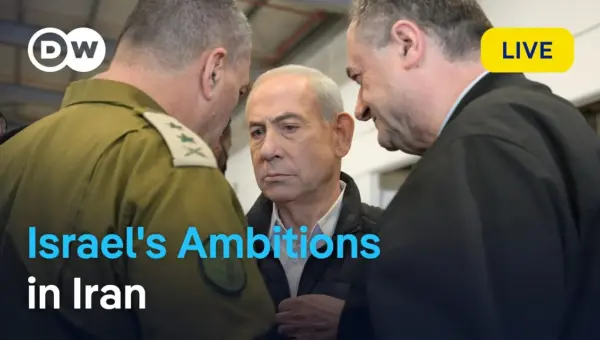
Israel's strategy to counter Iran's nuclear ambitions and regional influence centers on containment, utilizing a mix of covert military actions, intelligence operations, and diplomatic pressure. Analysts highlight the growing urgency due to Iran's nuclear advancements, while also noting the persistent risk of escalation in the volatile Middle East.


Israel Eyes Lebanon Buffer Zone: A Political Ploy?
Israel's military operations in southern Lebanon aim to create a buffer zone and pressure Hezbollah, according to expert Yazid Sayigh. He argues the strategy is more political than military, echoing historical tactics. The ongoing conflict could destabilize Lebanon further, while Hezbollah fights for survival.