Cesar Chavez Name Scrubbed Amid Abuse Allegations
Cities are rapidly removing Cesar Chavez's name from public spaces following disturbing abuse allegations. Professor Matthew Garcia explains that these revelations, rooted in the 1970s, were long-hidden due to the movement's major victories and a lack of checks on Chavez's power. The current cultural climate, influenced by other high-profile cases, has brought these issues to light, prompting swift action.

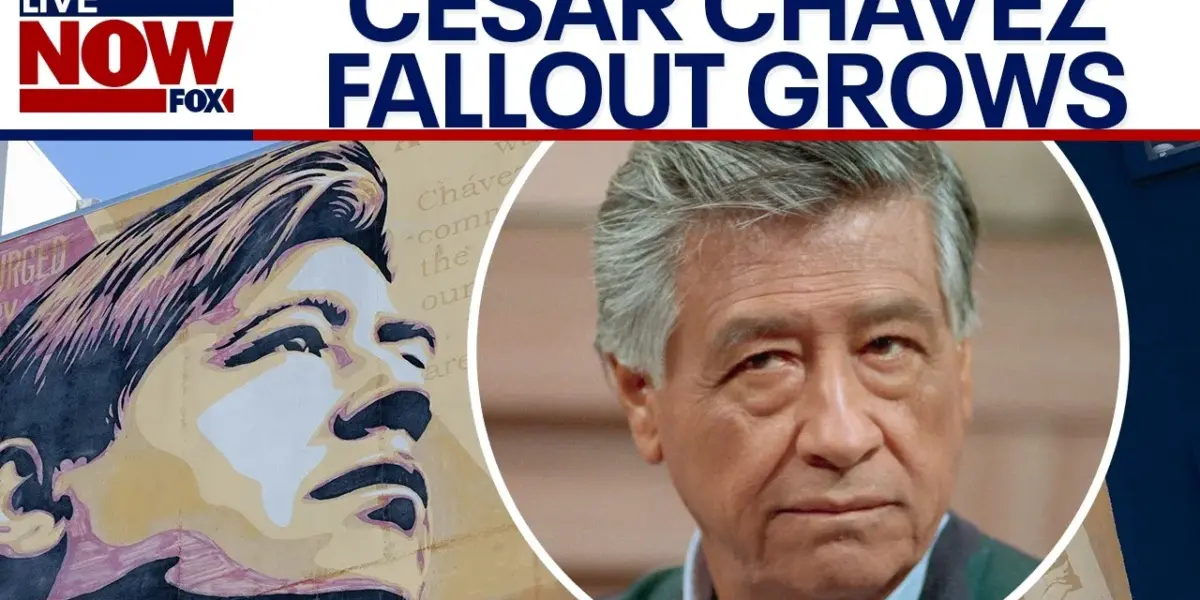
Chavez Name Removed From Public Spaces Following Abuse Revelations
Cities and organizations across the country are rapidly removing the name Cesar Chavez from public spaces and renaming institutions in the wake of disturbing abuse allegations against the famed labor leader. This swift action follows new reporting that has rocked the legacy of Chavez and the farmworker movement he led. The revelations have sparked widespread debate about how to reckon with historical figures whose actions may not align with their public image.
Allegations Surface After Years of Whistleblowing
Professor Matthew Garcia of Dartmouth College, author of “The Jaws of Victory: The Triumph and Tragedy of Cesar Chavez and the Farmworker Movement,” stated that the recent reporting was “a long time coming.” Garcia was first approached in 2012 by veterans of the movement who had a closed communication network. These individuals revealed that victims of sexual violence and abuse existed within the movement.
These whistleblowers eventually asked Garcia to connect them with journalists. Through his connections to The New York Times, this led to a five-year research project that culminated in the recent revelations. “The revelations that just came a couple days ago or a day ago,” Garcia noted, highlighting the immediacy of the current fallout.
Organizations Grapple With Legacy
The speed of the reaction from city leaders nationwide has been significant, as people try to process the information. Organizations like the Cesar Chavez Foundation and groups bearing his name, such as one in San Antonio, are facing immense pressure. Garcia believes the San Antonio organization “did the right thing” by disbanding, stating, “There’s no way you can proceed with that name um on top of your um letterhead.”
However, organizations in California, the heartland of the United Farm Workers and the site of significant achievements like the Agricultural Labor Relations Act of 1975, are struggling with how to move forward. The location of La Paz, the UFW’s former headquarters, in California makes the state’s reckoning particularly complex. Garcia anticipates it will take time for these groups to fully come to terms with the allegations.
Roots of Abuse Traced to the 1970s
The alleged abusive behavior reportedly began around 1975 to 1977. This period followed major victories for the United Farm Workers, including the establishment of the Agricultural Labor Relations Act, which allowed for collective bargaining for field workers. During this time, some within the movement felt they were losing their way and their power.
Chavez then retreated to La Paz, creating what was described as an intentional community. This move was based on a now-discredited drug rehabilitation program called Synanon. When people resisted this direction, Chavez reportedly began purging those he perceived as disloyal. Garcia explained that this abuse, which included psychological and some physical mistreatment, was happening alongside the sexual violence that has now come to light.
Why Silence Then? Explaining the Lack of Early Exposure
The question of why these allegations did not surface sooner is complex. In 1975, the movement had just achieved a major victory with the Agricultural Labor Relations Act. Many likely felt that exposing such damaging revelations could compromise this hard-won gain. People may have felt compelled to follow Chavez’s lead without question.
Furthermore, the union structure failed to implement sufficient checks and balances on Chavez’s power. His word was often treated as absolute truth, leaving members feeling obligated to carry out his directives. Garcia also pointed to a broader issue: the limited number of Latino figures taught as important in U.S. history. Chavez became so prominent that he was seen as “too big to fail,” leading to continued support even as victims suffered in silence.
The cultural shift, influenced by revelations surrounding figures like Harvey Weinstein and Jeffrey Epstein, has created an environment where such secrets are more likely to surface. “I’m speculating here, but it’s very much in the culture today now,” Garcia observed.
Swift National Response
The response to the allegations has been remarkably swift across the country. Leaders have been vocal in condemning the reported actions. Professor Garcia’s insights provided a crucial historical context to the ongoing developments. His analysis underscores the difficult task of re-evaluating historical figures in light of new, damaging information.
Looking Ahead
As more institutions and public spaces grapple with the legacy of Cesar Chavez, the trend of name removal is likely to continue. The focus will now shift to how communities and organizations can honor the positive aspects of the farmworker movement while acknowledging and condemning the alleged abuses. The re-evaluation of historical narratives is a complex but necessary process in understanding the full picture of influential figures.
Source: Cesar Chavez name removal efforts surge in wake of abuse allegations (YouTube)

Related Articles


Hero’s Fall: Chavez Abuse Allegations Shake Civil Rights Legacy
Disturbing allegations of sexual abuse against civil rights icon Cesar Chavez are forcing a re-evaluation of his legacy. Survivors like Anna Murria and Dolores Huerta have bravely come forward, sharing decades of trauma. These revelations spark crucial conversations about accountability, women's rights, and the pervasive issue of power abuse.


Chavez Legacy Tarnished: Abuse Claims Spark Reassessment
New allegations of sexual abuse against civil rights icon Cesar Chavez have surfaced, prompting a difficult reassessment of his legacy. The New York Times investigation includes testimony from Dolores Huerta and other women, leading to the cancellation of planned celebrations and calls to rename landmarks.

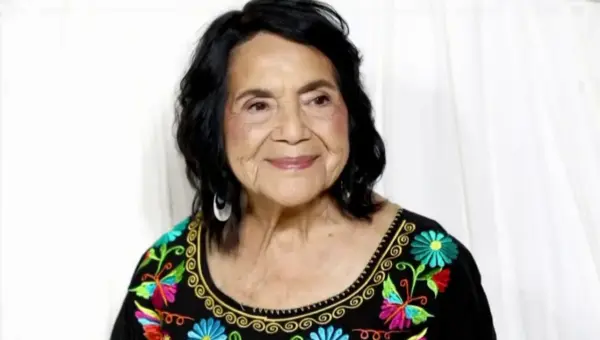
Dolores Huerta Details Abuse Allegations Against Cesar Chavez
Labor leader Dolores Huerta has revealed allegations of sexual abuse against Cesar Chavez, her longtime collaborator. In a new interview, Huerta described two forced encounters that resulted in pregnancies. Journalist Maria Hinojosa shared insights into Huerta's emotional state and the complex dynamics at play.