Cuba Welcomes Foreign Investment, Eyes U.S. Business Ties
Cuba is actively seeking foreign investment and exploring new avenues for international business, signaling a significant shift in its economic policy. While the U.S. embargo presents challenges, the island nation is relaxing rules to encourage private sector growth and attract global partners. Key areas of focus include renewable energy and opportunities for diaspora engagement.

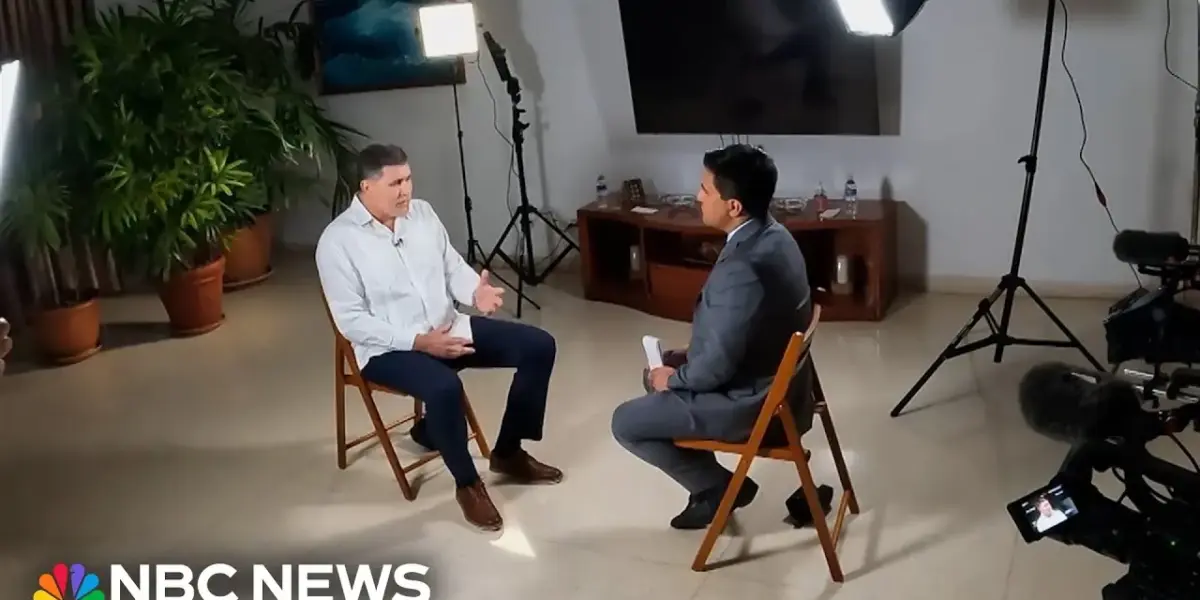
Cuba Opens Doors to Foreign Investors, Seeks U.S. Partnerships
Cuba is actively seeking foreign investment and exploring new avenues for international business, signaling a significant shift in its economic policy. Oscar Pérez-Oliva Fraga, a representative familiar with the matter, recently discussed the island nation’s openness to global commerce and its interest in strengthening ties with the United States. This outreach follows years of dialogue and a growing recognition of the need for greater foreign participation to fuel economic development.
Shifting Policies Encourage Private Sector Growth
Recent policy changes in Cuba are designed to make it easier for foreign businesses to operate and invest on the island. The government is relaxing rules to allow for more direct engagement with foreign companies. This includes exploring new models for investment, such as concessions for natural resources and even the potential for foreign companies to swap assets or services. These moves aim to attract a wider range of international partners and integrate Cuba more fully into the global economy.
Diaspora and Energy Sector Investments Highlighted
A key focus for attracting foreign capital is the energy sector, particularly renewable energy projects like solar photovoltaic farms. Many Cubans living abroad, including those in Miami, are showing interest in investing back home. This diaspora engagement is seen as a vital source of funding and expertise. Beyond energy, the development of the private sector has seen substantial growth, partly due to more flexible policies. Currently, private businesses account for roughly 60% of Cuba’s GDP, with the private sector employing around 30% of the workforce. In agriculture, private farmers manage about 80% of the cultivated land, demonstrating the significant role of non-state actors in the Cuban economy.
U.S. Relations and Trade Barriers
Despite the push for foreign investment, the long-standing U.S. embargo continues to present challenges. Pérez-Oliva Fraga noted that the blockade impacts Cuba’s development by limiting access to financing, technology, and markets. However, he expressed optimism that Cuba is moving toward a more open stance. The idea of major U.S. retailers like Walmart, Target, or Home Depot operating in Cuba is currently not feasible due to existing regulations. While commercial operations are restricted, Cuba does permit descendants of Cubans to participate in the development of businesses, hinting at future possibilities.
“The policy of the island is undoubtedly to transform and implement these changes more rapidly, for the benefit of both countries.”
Ownership and Business Opportunities
For entrepreneurs looking to establish a business in Cuba, the ownership structures are evolving. Currently, around 335 businesses with foreign capital are operating in Cuba, with about 8% being fully foreign-owned companies. The government is emphasizing that Cuba is open for business and encouraging people to understand the current economic climate. The importance of this message is to inform potential investors about the opportunities available and the direction the country is heading.
Humanitarian Component and Future Growth
Beyond economic development, Cuba’s efforts also have a significant humanitarian component. The government aims to improve the quality of life for its citizens through these policy shifts. The transformation of policies is evident in areas like land use. Cuba is exploring models that allow for private business development, including granting real rights over land for projects like agricultural ventures or real estate development in special economic zones. These zones are designed to attract investment and foster economic activity, mirroring successful models used in many other countries.
Looking Ahead
Cuba’s determined efforts to attract foreign investment and its openness to dialogue with the United States signal a significant moment for the island’s economic future. The success of these initiatives will likely depend on continued policy reforms, the ability to overcome external economic pressures, and the willingness of international partners, including those in the U.S., to engage. The coming months will be crucial in observing how these policies translate into tangible economic growth and strengthened international relationships.
Source: Extended interview: Cuba's Oscar Pérez-Oliva Fraga on foreign investments, U.S. relations (YouTube)

Related Articles
Cuba Crisis Looms: Regime Change Imminent, Says Analyst
Cuba is facing an imminent regime change due to a severe economic crisis and an oil blockade. Analysts see this as part of a larger global trend of political shifts, with potential opportunities arising from foreign investment interest.


Cuba’s Power Grid Collapses Amid Economic Crisis
Cuba is facing its worst power grid collapse in decades, exacerbating severe economic and social hardships. Experts state the electrical system requires an $8-10 billion overhaul, as repairs are not feasible. The crisis adds to geopolitical tensions, with potential Russian oil shipments and lingering U.S. policy questions.


Mandelson Messages: Internal Labour Party Fallout Looms
The Cabinet Office is intensifying its investigation into Peter Mandelson's appointment as US ambassador, demanding more personal messages from government officials. While the public's view of Mandelson is set, the airing of internal Labour party discussions could cause significant damage. Meanwhile, Ed Miliband's strong influence on Labour's economic policy is shaping the party's future direction.