Trump’s Cuba Comments Spark Dictator Fears
Donald Trump's recent suggestion that he might "take" Cuba, coupled with inaccurate claims about hurricanes, has sparked fears of dictator-like rhetoric. His words echo those of authoritarian leaders and disregard international norms, raising alarms about future foreign policy. This approach could destabilize relations and create global unease.

Trump’s Bold Cuba Declaration Sparks Alarm
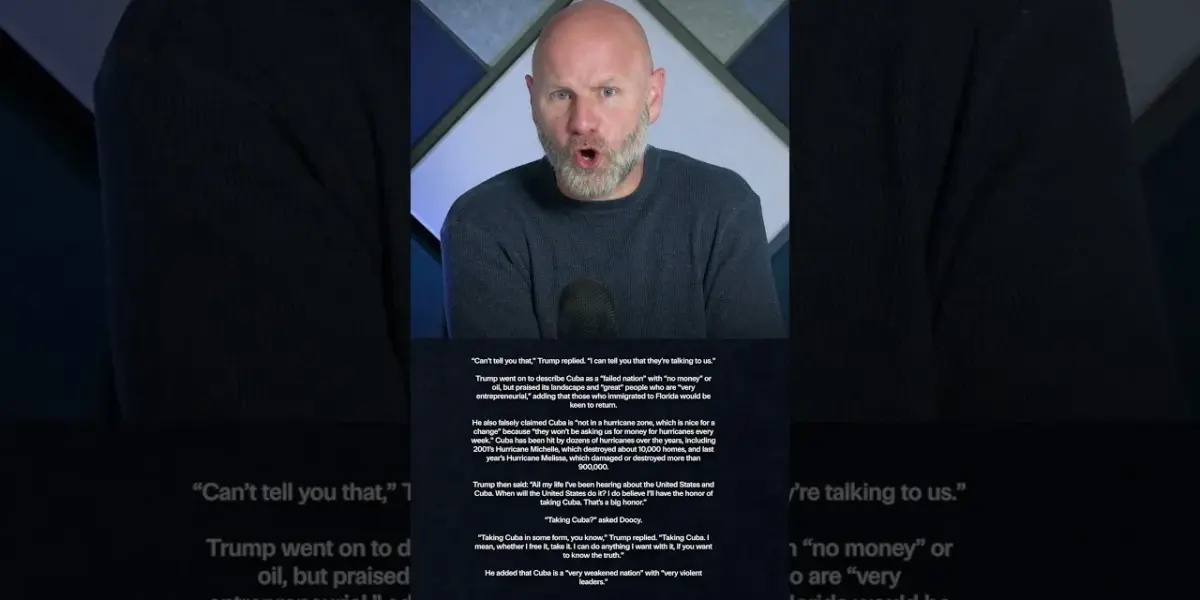
Donald Trump recently made a statement about Cuba that has raised serious questions. He suggested he might “take” Cuba, though he was unclear about what that would involve. This comment came during an interview with Peter Ducey of Fox News when asked about the island nation. Trump stated he has the right to do so and believes he will have the “honor of taking Cuba.” He described Cuba as a weak nation with violent leaders, but also strangely claimed it is not in a hurricane zone.
Misunderstanding Hurricane Zones
Trump’s assertion that Cuba is not in a hurricane zone is factually incorrect. Anyone who has lived along the Gulf Coast knows Cuba is directly in the path of many hurricanes. Storms often pass over or near the island, and their intensity can change significantly after interacting with Cuba. This is a critical point for people on the U.S. Gulf Coast, as it signals when a storm is entering the Gulf and becoming a more immediate threat.
“Taking” Cuba and Dictator Talk
The most concerning part of Trump’s remarks was his claim that he could do “anything I want” with Cuba. He used phrases like “free it, take it.” This kind of language sounds like that of a dictator, not a democratic leader. It echoes statements made by leaders like Vladimir Putin, who believe they have unlimited power over other nations. Such rhetoric is alarming because it suggests a disregard for international law and the sovereignty of other countries.
These are the kinds of statements that if other world leaders, not Putin, had made, we’d be invading their country.
Historical Context: U.S. and Cuba Relations
The relationship between the United States and Cuba has been complex for decades. Following the Cuban Revolution in 1959, Fidel Castro’s government became a communist state. This led to a strong U.S. embargo and strained relations that have persisted for over sixty years. Presidents have varied in their approach, from strict isolation to attempts at normalization under Barack Obama, which were later reversed by Donald Trump himself.
Historically, the U.S. has intervened in Cuban affairs, most notably during the Spanish-American War, where the U.S. occupied Cuba. There have also been covert operations and significant political pressure exerted by the U.S. over the years. Trump’s current language seems to ignore this history and the established international norms that govern relations between sovereign nations.
Why This Matters
Trump’s statements are significant because they reveal a potential mindset that is dangerous for international relations. The idea that a leader can simply decide to “take” another country, regardless of the consequences, goes against the principles of democracy and self-determination. It suggests a willingness to disregard international agreements and the opinions of allies. This kind of talk can destabilize regions and create fear among smaller nations about the intentions of larger powers.
Furthermore, his factual errors about Cuba’s geography and hurricane vulnerability highlight a potential lack of attention to detail or a disregard for reality. When leaders make decisions based on misinformation or a distorted view of the world, the outcomes can be disastrous. This is especially true in foreign policy, where misunderstandings can lead to conflict.
Implications and Future Outlook
If Donald Trump were to gain power again, his approach to foreign policy could become more unpredictable. His “take it” rhetoric suggests a willingness to use force or coercion to achieve his goals. This could lead to increased tensions with Latin American countries and further complicate U.S. relations with its allies. The international community would likely react with strong disapproval, potentially leading to sanctions or diplomatic isolation.
The future outlook depends heavily on how seriously these statements are taken by both domestic and international audiences. While some may dismiss them as mere bluster, others will see them as a clear indication of Trump’s governing style. The trend towards more nationalistic and assertive foreign policies in some parts of the world makes such rhetoric more likely to be heard, but also more likely to be met with resistance. The world watches to see if such pronouncements will translate into actual policy, and what the global consequences might be.
Source: Trump is NUTS! (YouTube)

Related Articles
Polls Spell Doom: Republicans Face Voter Backlash
New polling data reveals a sharp decline in public confidence regarding the economic impact of Republican policies, particularly under Donald Trump. A significant majority now feel financially worse off, a trend that is especially pronounced among independent voters. This economic discontent poses a major challenge for the Republican party heading into future elections.
Trump’s ‘Board of Peace’ Crumbles Amidst Global Conflict
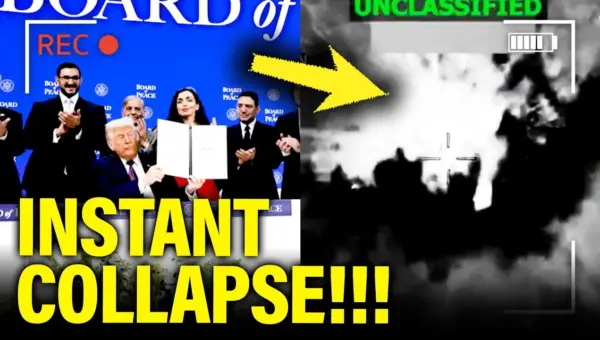
Donald Trump's 'Board of Peace,' launched with grand ambitions from Davos, faced immediate scrutiny over its $1 billion permanent membership fee. Despite attempts to secure ceasefires, the initiative appeared to falter as global conflicts, including strikes on Iran, escalated, leaving its intended purpose overshadowed.
Trump Delays Iran Strike Deadline Amidst Shifting Diplomacy
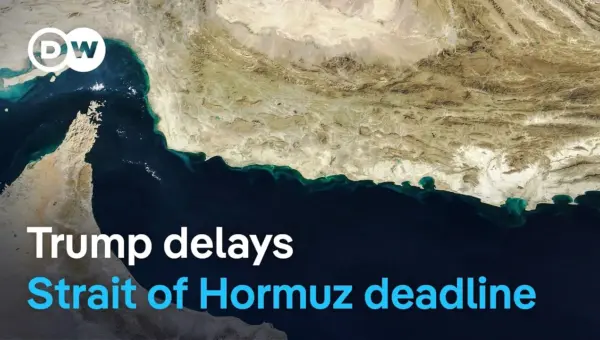
President Donald Trump has extended his deadline for potential strikes on Iranian energy plants to April 6th, amid reports of U.S.-Iran diplomatic talks mediated by Pakistan. This move comes as Israel continues its strikes on Iran and the U.S. deploys additional military assets to the region. Analysts point to mixed signals, economic pressures, and strategic miscalculations as key factors shaping the evolving situation.