New York Loses Wealthy: Policies Drive Exodus
New York is experiencing a significant outflow of wealthy residents due to high taxes and unfavorable policies, prompting calls for change. Critics argue current policies are driving wealth away, impacting the state's tax base and services. Meanwhile, proposed wage hikes and stalled projects add to economic concerns.

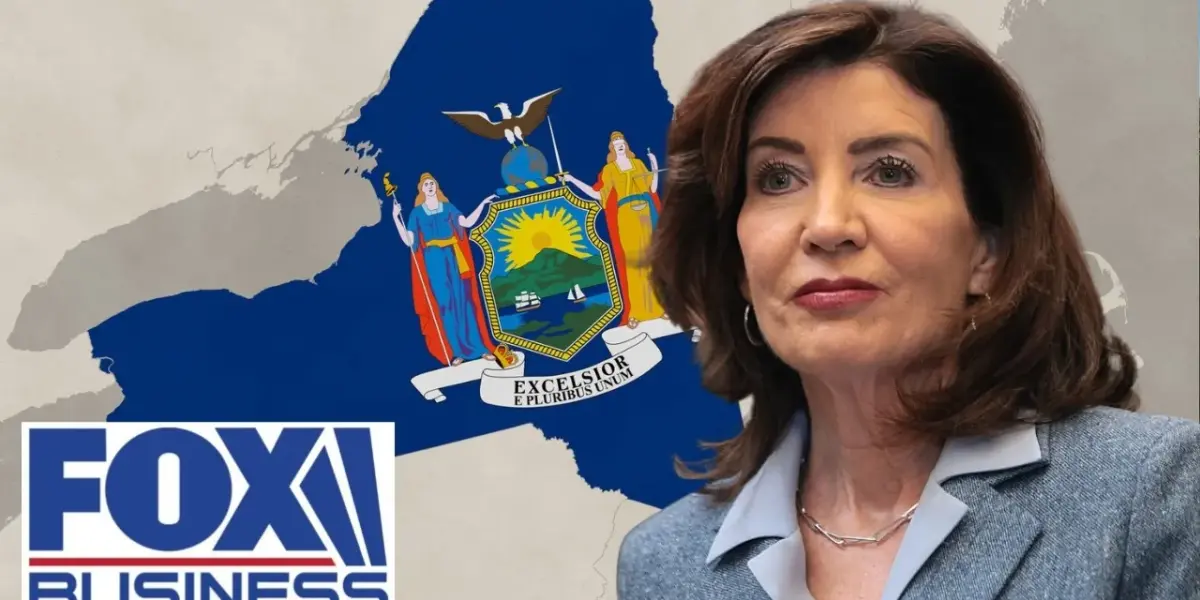
New York’s Wealth Exodus Continues as High Earners Seek Greener Pastures
New York state is facing a significant challenge as its wealthiest residents continue to leave in large numbers. Governor Kathy Hochul has urged these individuals to return, but critics argue that current state policies are directly causing the exodus. This trend has led to an erosion of the state’s tax base, a problem that has been building for years.
From 2012 to 2022, New York lost an estimated 1.7 million people, many of whom moved to states like Florida, which offers a more favorable tax environment. This outflow of high-net-worth individuals represents a substantial loss of tax revenue, impacting the state’s ability to fund social programs and maintain its services. The situation has become so pronounced that some observers describe the governor’s calls for people to return as “almost comical” given the circumstances.
Policy vs. Rhetoric: A Growing Divide
The core of the problem, according to many analysts and residents, lies in the state’s policies. While Governor Hochul is calling for the wealthy to come back, her administration has not made significant changes to the policies that are driving them away. High-net-worth individuals are making calculated decisions about where their money is best treated, and for many, that destination is Florida.
“No one is coming back unless you change the policies that cause them to leave in the first place,” stated one critic. The sentiment is that simply asking people to return is not enough. They need to see tangible policy changes that address the reasons for their departure, such as high taxes and a perceived decline in the quality of life. Without these changes, the status quo is expected to continue, with more people leaving the state.
Economic Headwinds and Stalled Projects
Adding to New York’s financial pressures are stalled infrastructure projects, which are often dependent on federal funding. The Gateway Project, aimed at improving transit connections between New York and New Jersey with new tunnels, has been tied up in court. Similarly, the expansion of the Second Avenue Subway is facing legal challenges.
Federal funds are not flowing into these critical projects as smoothly as they once did, raising concerns about the state’s ability to execute long-term development plans. This lack of progress, coupled with the ongoing wealth exodus, paints a worrying picture for New York’s economic future. Some believe these behind-the-scenes issues are more impactful than publicly discussed political battles.
The Minimum Wage Debate: Job Killer or Necessary Boost?
Further complicating the economic landscape is the push for a significantly higher minimum wage. Proposals for a $30 minimum wage in New York City have drawn sharp criticism from some economists. An analyst from the Manhattan Institute warned that such a move could actually harm the very workers it aims to help.
The concern is that a drastically increased minimum wage would lead to higher prices, potentially obliterate certain industries, and make New York less affordable. For businesses, particularly small and medium-sized ones, the prospect of such a wage hike could force them to automate jobs using robots and artificial intelligence. This could lead to job losses and potentially drive businesses to relocate or close down entirely. The argument is that this would be the easiest way to eliminate jobs when automation is becoming increasingly viable.
What Investors Should Know
The ongoing exodus of wealthy individuals and businesses from New York, driven by high taxes and potentially job-killing policies, creates a challenging environment. Investors may want to consider states with more business-friendly policies and lower tax burdens, such as Florida. The stalled infrastructure projects also signal potential delays in economic growth and development within New York.
The debate over the minimum wage highlights a critical juncture for businesses operating in New York. Those that cannot absorb the increased labor costs may face difficult decisions, including automation, relocation, or closure. This could impact the broader economy of the city and state. For the middle class, who may not have the freedom to move, these policies could lead to a reduced quality of life and fewer economic opportunities.
A Stark Outlook for the Empire State?
Some long-time residents and business leaders are expressing unprecedented concern, with some even questioning if New York will recover from this current downturn. The sentiment is that while New York has historically shown resilience, the combination of policy decisions and economic pressures might be too much to overcome this time. The “enemy within,” referring to internal policy choices, is seen as a greater threat than external challenges.
The situation underscores the importance of policies that attract and retain talent and capital. As New York grapples with these issues, other states offering more stable and favorable economic conditions are poised to benefit. The long-term implications for New York’s financial health and its standing as a global economic hub remain uncertain.
Source: 'ALMOST COMICAL': New York's Hochul URGES wealthy to come back (YouTube)

Related Articles

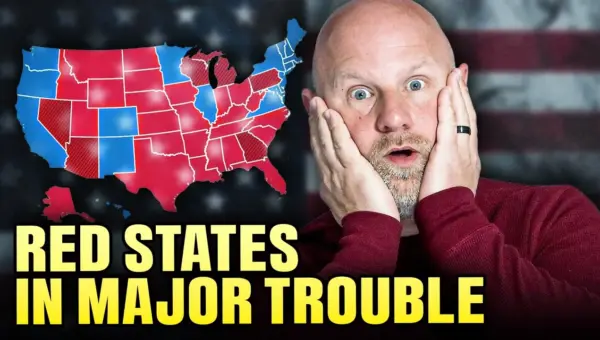
Red States Face Tax Dilemma as Voters Demand Services
Voters in Republican-led states are signaling a change in priorities, indicating they'd rather pay higher taxes for essential services like roads and schools than continue with tax cuts. This marks a significant shift from decades of anti-tax rhetoric and presents a new challenge for politicians.


Property Taxes Soar: Which States Feel the Pinch?
Property taxes are surging across the U.S., with Florida seeing a 47% jump since 2019. While rising home values play a role, tax policies are a major driver, leading 16 states to consider reforms. This trend adds significant financial pressure on homeowners already facing higher mortgage and insurance costs.
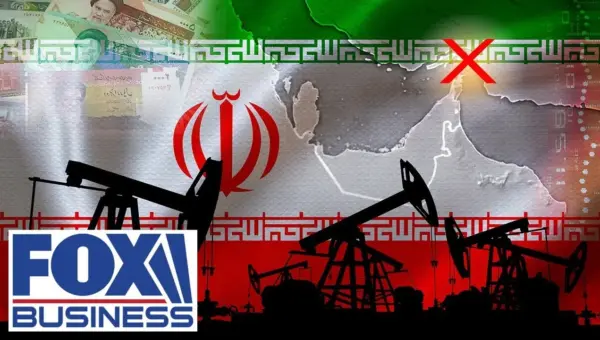
Money Control Key to Iran, Venezuela Policy
Former Energy Secretary Dan Brouillette stressed that controlling financial flows from Iran and Venezuela is key to policy success. Economist Art Laffer remains optimistic about markets despite geopolitical concerns, while Steve Moore criticizes high-tax states for driving residents away.