Iran Strikes Qatar Gas Plant: Major Escalation Rocks Global Energy
Iran's strike on Qatar's Ras Laffan LNG plant, a major global energy supplier, has sent shockwaves through international markets. The attack, which caused significant damage expected to take years to repair, highlights the use of energy as a weapon and raises fears of prolonged supply disruptions.

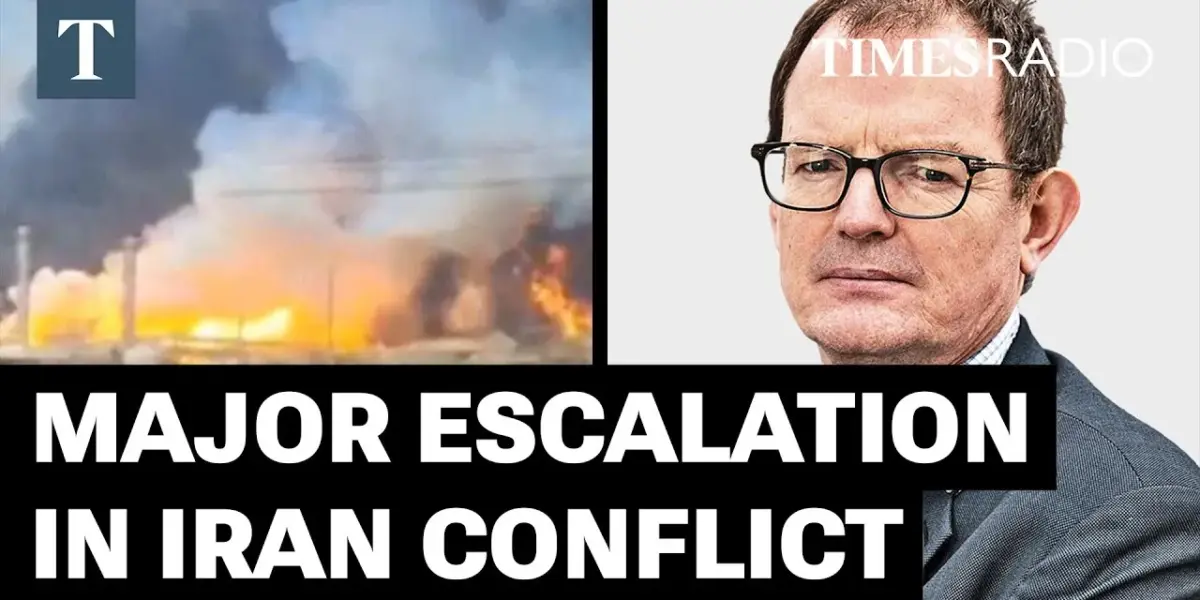
Iran Attacks Qatar’s Energy Hub, Sparking Global Fears
In a significant escalation of the ongoing conflict, Iran launched strikes on Qatar’s vital Ras Laffan liquefied natural gas (LNG) plant. The attack, which occurred overnight, targets a facility responsible for approximately one-fifth of the world’s LNG supply. This move has sent global energy prices soaring and raises serious questions about the stability of international energy markets.
Why Qatar’s Gas is So Important
The Ras Laffan plant is a cornerstone of Qatar’s economy and a major player in global energy. Qatar is one of the top three suppliers of LNG worldwide, alongside Russia and Australia. Many European nations, in particular, rely heavily on Qatari LNG to power their homes and industries. If these supplies are disrupted, the consequences could be severe.
A Shared Resource, A Shared Risk
The attack follows an earlier Israeli strike on Iran’s South Pars gas field, the largest natural gas field in the world. This field is uniquely shared between Qatar and Iran, known as the North Dome by Qataris and South Pars by Iranians. This shared resource has historically allowed Qatar to maintain a delicate balance in its relationships with both Iran and Western allies, often acting as a mediator.
“The Qataris have tried to carefully manage over a very long period of time a relationship with Iran and with the US and Western allies. And that has seemingly counted for nothing today.”
Richard Spencer, The Times’s correspondent in Doha, explained the complex situation. He noted that Qatar has worked for decades to balance its relationships, but this attack shows those efforts may have been in vain. The Qatari leadership is reportedly furious about being drawn into the conflict despite their diplomatic efforts.
Damage and Delays: The Long-Term Impact
The strike on the Ras Laffan plant caused significant damage, with reports of it burning for hours. Spencer estimates that repairs could take years, highlighting the severity of the attack. This extensive damage could lead to prolonged disruptions in LNG supply.
The immediate impact was seen in global energy markets, with gas prices jumping as much as 25% in a single day. While oil prices might recover more quickly if supply lines are restored, liquefied natural gas presents a different challenge. Unlike oil, which is a more fungible commodity with many global sources and refineries, LNG relies on specialized terminals and massive tankers for delivery.
Spencer elaborated on this technical difficulty. “If your setup for your gas supplies is through LNG, you set up your terminals on that basis. So if you take out a massive chunk of that supply… and you’ve got one of the other two main suppliers, Russia sanctioned for example… and there are three big suppliers of LNG, which is Qatar, Russia, and Australia. A lot of Europe uses that LNG from Qatar. And if you take out that supply, their terminals are useless.”
Energy as a Weapon
The targeting of critical energy infrastructure suggests a strategic shift in the conflict, with energy now appearing as a primary weapon. While acknowledging the human cost of the war, Spencer pointed out that Iran’s response is asymmetric. Unable to compete conventionally with the United States and Israel, Iran is targeting the global economy by striking vital oil and gas installations.
This strategy aims to inflict economic pain and potentially pressure adversaries. The attack on Qatar’s LNG facilities, coupled with earlier strikes on refineries in Kuwait and a UAE terminal, paints a clear picture of Iran’s intent to disrupt energy flows.
US Response and Future Outlook
Despite the escalating tensions and the severe impact on global energy, U.S. Secretary of Defense Pete Hexith rejected claims that the situation is spiraling out of control. He stated that the current conflict is different from previous wars in Iraq and Afghanistan, aiming to reassure the public and allies.
“The media here… wants you to think just 19 days into this conflict that we’re somehow spinning toward an endless abyss or a forever war or a quagmire. Nothing could be further from the truth.”
However, with Iran directly targeting the energy infrastructure of its neighbors, the question remains whether the United States can prevent further escalation. The long-term repair of the Ras Laffan plant and the potential for future attacks cast a shadow over global energy security. The coming weeks will be crucial in determining the full impact of this strike and the broader trajectory of the conflict.
Source: Iran Strikes Qatari Gas Plant: The Times's Richard Spencer Explains Why This Is A Major Escalation (YouTube)

Related Articles


US Cardinal’s Papal Upset Redraws Vatican Influence
Pope Francis's election defied expectations, including his own, as an American cardinal believed an "American" Pope was unthinkable. The swift conclave surprised many, highlighting the unpredictable nature of papal selections and signaling a potential shift in the Church's global direction.


Mexico Navigates US-China Rivalry
Mexico is caught in a geopolitical tug-of-war between the United States and China. The nation must carefully balance its economic needs and strategic interests with both superpowers. This situation highlights Mexico's growing importance in global affairs.
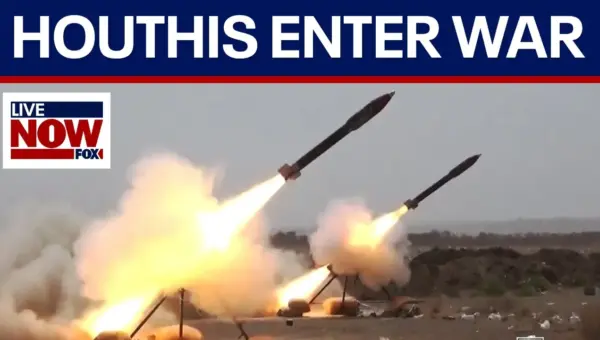
Iran-Backed Houthis Strike Israel, Escalating Regional Tensions
Iran-backed Houthi rebels have launched a missile attack targeting Israel, marking their first such strike since the current Middle East conflict began. The Israeli military confirmed the interception of the projectile. Analysts view this action as part of Iran's broader regional strategy, highlighting the regime's reliance on proxy forces amid internal weaknesses.