South Africa Deploys 2,200 Troops to Combat Crime Wave
South Africa has deployed over 2,000 soldiers to combat rising organized crime, including illegal mining and gang violence, across five provinces. While the move offers immediate hope to affected communities, experts question its long-term effectiveness and warn that root causes like unemployment and a weak justice system remain unaddressed.

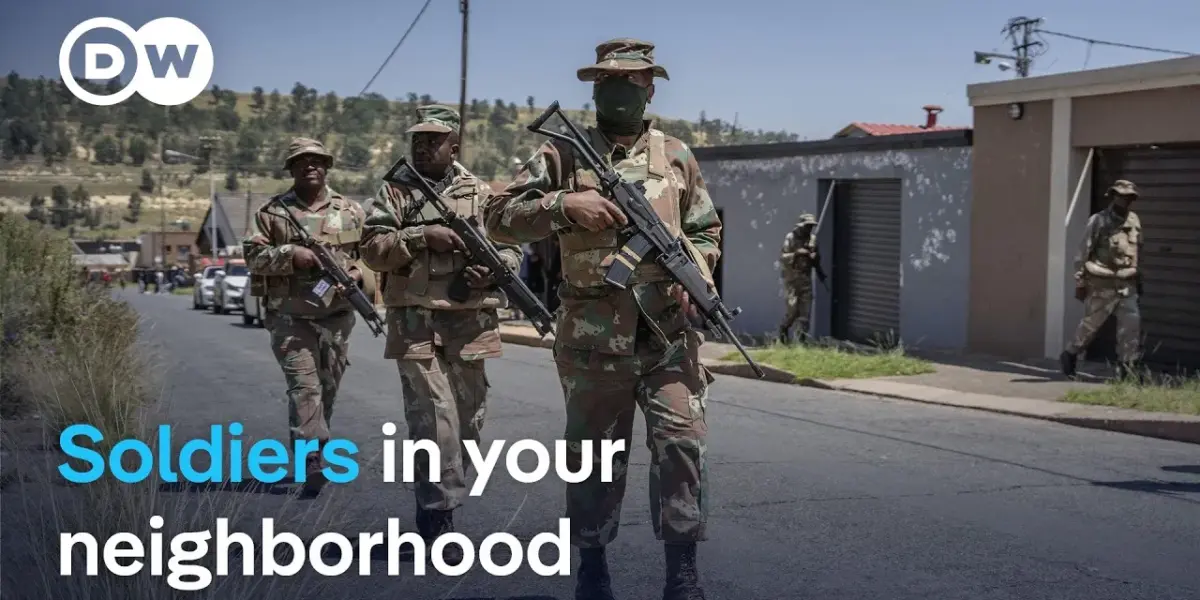
South Africa Mobilizes Army Against Organized Crime
More than 2,000 South African soldiers have been deployed across five provinces to combat rising levels of organized crime, including illegal mining and gang violence. The deployment, authorized by President Cyril Ramaphosa, aims to bring immediate relief to communities plagued by crime but raises questions about long-term solutions.
Illegal Mining Fuels Violence and Economic Loss
In areas like Randfontein, illegal miners have set up gold processing operations alarmingly close to residential homes. These operations are often linked to violent turf wars between criminal groups. The government estimates that illegal mining costs the nation approximately 3.69 billion dollars annually in lost revenue. Residents living near these hotspots often hear gunfire and fear for their safety. “At night, it’s not safe,” one resident shared, describing a stark contrast to the area’s past tranquility. “Now, if we try to reach them tomorrow, they’ll come to your house.” Soldiers on the ground have begun dismantling the equipment used in illegal mining, such as “pendukas” (a Zulu word for turning drums) and processing baths, to prevent their reuse.
Gang Violence Grips Urban Centers
Johannesburg’s Westbury neighborhood is another focal point, where gang and drug crimes have become rampant. Residents live in fear of clashes between gangs like the Fast Guns and the Vados. Valerie Labon, a resident, expressed a common sentiment: “I’m one of the people who’s been praying and asking for the military to come in.” However, she also voiced concerns that the troop deployment may not address the root cause of the problem: widespread unemployment. “There’s no opportunities for her,” Labon explained, referring to a mother unable to find work. “This child of hers who’s now 18, finishes matrix, sees the hunger in the house, and a drug dealer grabs him.” This cycle, she believes, is destroying communities.
Critics Question Military’s Role in Policing
Security experts and some analysts question the effectiveness and appropriateness of using soldiers for domestic policing. Critics argue that troops are trained for combat, not community law enforcement, and that their presence could escalate tensions. Military and police leaders state that soldiers have received additional training to prevent clashes with civilians and will operate within legal boundaries. “We don’t have those ambitions to be policemen. We remain as soldiers,” a military representative stated. “We will create conditions that will make it impossible for those criminals to continue to operate with impunity.” However, Dr. Anin Creler, a researcher at the Institute for Security Studies, noted that such deployments are often not properly evaluated. “It’s been done a number of times before and it’s seldom been properly evaluated,” she said. “When they leave, it’s unclear whether anything has changed or not.” While short-term stabilization is possible, she stressed, it doesn’t address the underlying drivers of violence.
Addressing Root Causes: Unemployment and Weak Justice System
Dr. Creler highlighted that the fundamental issues driving crime in South Africa are complex. These include weaknesses within the criminal justice system, such as difficulties in conducting thorough investigations and securing convictions. More significantly, socioeconomic factors play a major role, particularly in areas with high gang activity. “There are very good reasons why young men, boys really, are being attracted to gangs in these areas. There are no other options for them in some places,” she explained. Unless these social, economic, and trauma-related issues are addressed, the “magnet” of gangs will persist, drawing individuals into a cycle of violence.
A Call for Long-Term Solutions
Residents welcome the military’s presence as a sign that the state is taking their plight seriously. However, there is a strong desire for sustainable solutions that will ensure safety long after the troops depart. The current deployment is seen by some as a temporary measure, a “band-aid,” as Dr. Creler put it. The key concern moving forward is the lack of clear criteria for success and a defined plan for what happens after the soldiers are withdrawn. “What is this, the success criterion?” Dr. Creler questioned. “What is going we’ve been a lot of statements about what will be done while they’re there, but then what? How will the situation be different in a year’s time once they are withdrawn?” Without addressing systemic issues like unemployment and strengthening the police and justice systems, the cycle of crime is likely to continue.
Looking Ahead
The deployment of troops is a significant step reflecting the dire crime situation in South Africa. The coming months will be crucial in observing whether the military presence provides a lasting impact or merely offers temporary respite. Attention will likely focus on the government’s ability to implement deeper reforms within the criminal justice system and address socioeconomic disparities that fuel organized crime.
Source: South Africa mobilizes army to fight organized crime | DW News (YouTube)

Related Articles

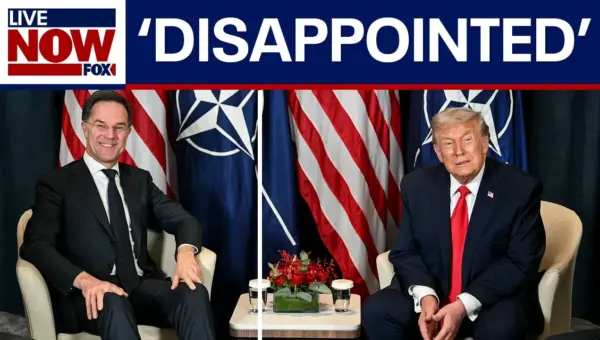
Trump Critical of NATO as Iran Conflict Escalates
President Trump voiced frustration with NATO's lack of involvement in the Iran conflict while the U.S. military prepares for a sustained campaign. Reports indicate significant damage to Iran's military, but tensions remain high with ongoing missile strikes and a recent attack on a Saudi air base wounding U.S. personnel.

US Weighs Iran Troop Surge Amid Insider Trading Fears
The US Pentagon is reportedly considering sending 10,000 more troops to the Middle East amid rising tensions with Iran. This comes as lawmakers push to ban political figures from trading on prediction markets due to insider trading concerns.
US Sends Troops, Signals Iran Standoff Continues
The U.S. is sending 2,000 troops to the Middle East amid ongoing tensions with Iran. This move is part of a strategy to pressure Iran while avoiding a wider war. Experts suggest the deployment is for rapid response capabilities rather than an immediate invasion.