Top Intel Officials Dodge Trump on Iran Threat
Top intelligence officials, including directors from DNI and CIA, appeared to distance themselves from former President Trump's decisions regarding Iran during recent House hearings. They emphasized that the determination of an "imminent threat" rests with the President, raising questions about the basis for military actions.

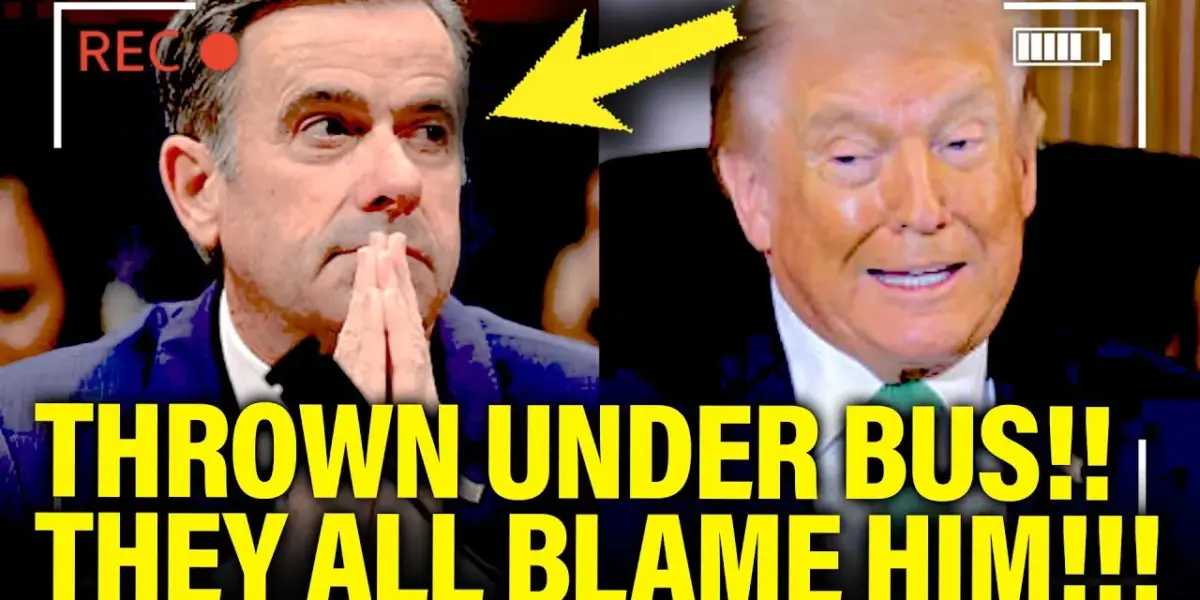
Top Intel Officials Dodge Trump on Iran Threat
During a recent House hearing, top national security officials found themselves in a difficult position. They were asked to explain the intelligence assessments regarding Iran. The officials, including the Director of National Intelligence, the CIA Director, and others, seemed to distance themselves from former President Donald Trump’s decisions about potential military action.
Shifting Statements Raise Questions
Yesterday, these officials appeared before the House of Representatives. Their earlier responses suggested they believed Iran did not pose an immediate danger to the United States. These assessments were reportedly shared with Trump. However, this stance drew criticism from some supporters of Trump, often referred to as “MAGA” supporters. One notable figure, Joe Kent, who previously worked closely with Tulsi Gabbard, resigned and publicly stated that Iran did not present an imminent threat. Kent suggested that decisions regarding Iran were influenced by Israel and Netanyahu.
Tulsi Gabbard, whose political platform has often focused on avoiding foreign wars in the Middle East, appeared before the Senate. Later, in the House hearings, she, along with CIA Director John Ratcliffe and Cash Patel, appeared to change their approach. They seemed to be carefully separating their official intelligence assessments from their personal opinions or any perceived alignment with Trump’s views.
Focus on Official Roles, Not Personal Views
In her opening statement, Director Gabbard emphasized her role. She stated, “I’m here today to present the 2026 annual threat assessment… What I’m briefing here today does not represent my personal views or opinions, but rather the assessments of the intelligence community.” This clearly signaled an effort to provide objective information rather than endorse specific policies.
Throughout the hearings, Democratic and some Republican members of Congress pressed the officials. They questioned why the U.S. seemed to be following Israel’s lead or acting without its own independent assessment of the threat from Iran. When asked about the basis for actions against Iran, the common response from officials like Gabbard and Ratcliffe was that ultimately, President Trump made those decisions.
When asked about evidence of an intended preemptive attack by Iran, Director Gabbard repeatedly stated, “Ultimately, it is Donald Trump who is responsible.” This response led some members of Congress to question the purpose of the intelligence officials’ jobs if their assessments could be overridden or ignored by the President.
Defining “Imminent Threat”
The concept of an “imminent threat” was a key point of discussion. When asked directly if there was evidence Iran intended a preemptive attack, Director Gabbard stated that the answer needed to be reserved for a closed hearing. However, she did confirm that the intelligence community provides threat assessments to the president so he can make determinations. She also indicated that the determination of whether a threat is “imminent” is made by the president based on the totality of intelligence.
Congressman Crowe, an Army Ranger with combat experience, questioned the officials about assessing Iranian leadership’s views. He noted that the son of Iran’s former leader, considered more hardline, has unclear status. He also highlighted that a religious ban on developing nuclear weapons, in place for years, had not been lifted. This suggested a degree of uncertainty about Iran’s intentions and leadership, making the basis for immediate action less clear.
Intelligence vs. Presidential Decisions
Another line of questioning focused on whether the intelligence community briefed the president on the potential impacts of a conflict, such as effects on global supply chains and oil prices. Officials confirmed that such assessments were provided. However, when asked if the president was briefed on who would succeed the Supreme Leader if killed and the likelihood of a hardliner taking over, Director Ratcliffe clarified that the president’s objectives for military operations did not include regime change, though Israel’s might differ.
Congressman Barra directly asked Cash Patel if the assessment of no imminent nuclear threat or imminent attack on American assets was delivered to the president. Patel confirmed delivering objective analysis of threats and scenarios. He stressed that the president owes the American people an explanation for why the U.S. is at war with Iran, especially regarding the imminent threat.
Israel’s Role and U.S. Objectives
The relationship between U.S. and Israeli objectives also surfaced. When asked if Israel supported the president’s call for a deal with Iran, or why Israel struck Iranian energy infrastructure despite U.S. requests to keep facilities off-limits, officials stated they did not know Israel’s position or the reasoning behind their actions. They reiterated that their role was to provide intelligence assessments, not to be involved in operational decisions or to speak for other nations.
Director Gabbard also addressed the capability of Iran to threaten shipping in the Strait of Hormuz. While she noted that capabilities have been degraded, Iran still possesses means to threaten passage. She stated that an updated assessment would be needed to determine how long they could potentially close the strait.
Ultimately, the hearings revealed a pattern where top intelligence officials presented their findings, but consistently deferred the final decision-making authority on matters of war and imminent threat to the President. This highlighted a potential disconnect between intelligence assessments and presidential actions, leaving many with questions about the true basis for military engagement.
Why This Matters
This situation is important because it sheds light on how critical foreign policy and military decisions are made. When intelligence officials appear to be distancing themselves from a president’s actions, it raises serious questions about the information used to justify military engagements. It suggests that the intelligence community’s assessments might not always align with presidential directives, or that the president may choose to act based on factors beyond immediate intelligence warnings.
Historical Context and Trends
Historically, intelligence assessments have played a crucial role in shaping U.S. foreign policy and military interventions. The lead-up to the Iraq War, for example, involved significant debate over the intelligence regarding weapons of mass destruction. In this case, the officials’ careful wording and repeated emphasis on the president’s ultimate decision-making power echo past instances where the intelligence community’s findings were interpreted or used in ways that led to significant conflict.
The current situation also touches on the broader trend of how information is presented and perceived in the digital age. The mention of a “misinformation campaign” and the influence of external actors like Israel highlight the complex web of information and influence that can surround foreign policy decisions. The officials’ reluctance to directly criticize or confirm certain actions, while simultaneously pointing to the president’s authority, suggests a challenging environment where accountability and clarity are difficult to achieve.
Future Outlook
The implications of these hearings extend to how future administrations will rely on intelligence. If officials feel compelled to publicly clarify their roles and separate their assessments from presidential actions, it could lead to greater transparency or, conversely, a chilling effect on candid advice. The public’s trust in both intelligence agencies and political leadership is at stake. Understanding these dynamics is crucial for informed public discourse about national security and the use of military force.
Source: 🚨TOP Trump Officials THROW HIM UNDER BUS at WAR HEARING!! (YouTube)

Related Articles


Iran Targets US With Cyberattacks, Escalating Digital Warfare
Iran is increasingly using cyberattacks to challenge the U.S., as seen in a recent hack of the FBI director's account. Experts say this is a strategic shift due to Iran's limitations in conventional warfare. The U.S. needs to strengthen its digital defenses, focusing on encryption and cloud computing, rather than solely relying on traditional security measures.

Iran Hacks FBI Chief, Exposing U.S. Cyber Vulnerabilities
A recent hack of FBI Director Kash Patel's personal email by an Iran-linked group highlights Iran's growing cyber threat to the U.S. Experts explain how simple security oversights are exploited, emphasizing the need for basic defenses like two-factor authentication to protect against propaganda and potential infrastructure attacks.

Trump Halts Iran Strikes Amid Stalled Diplomacy
President Trump announced a pause on planned strikes against Iran, citing productive talks, though Iran denies negotiations occurred. Reports also suggest a potential U.S. ground operation on Iran's Hark Island. The situation raises concerns about international support for Ukraine and potential shifts in U.S. foreign policy.