Putin Hides From Cameras Amidst Security Fears
Vladimir Putin is reportedly avoiding the Kremlin for over ten days, fearing his own government's surveillance network could be used against him. This follows reports on how advanced tracking technology can neutralize targets. The situation highlights growing insecurity and internal pressures on the Russian leadership.

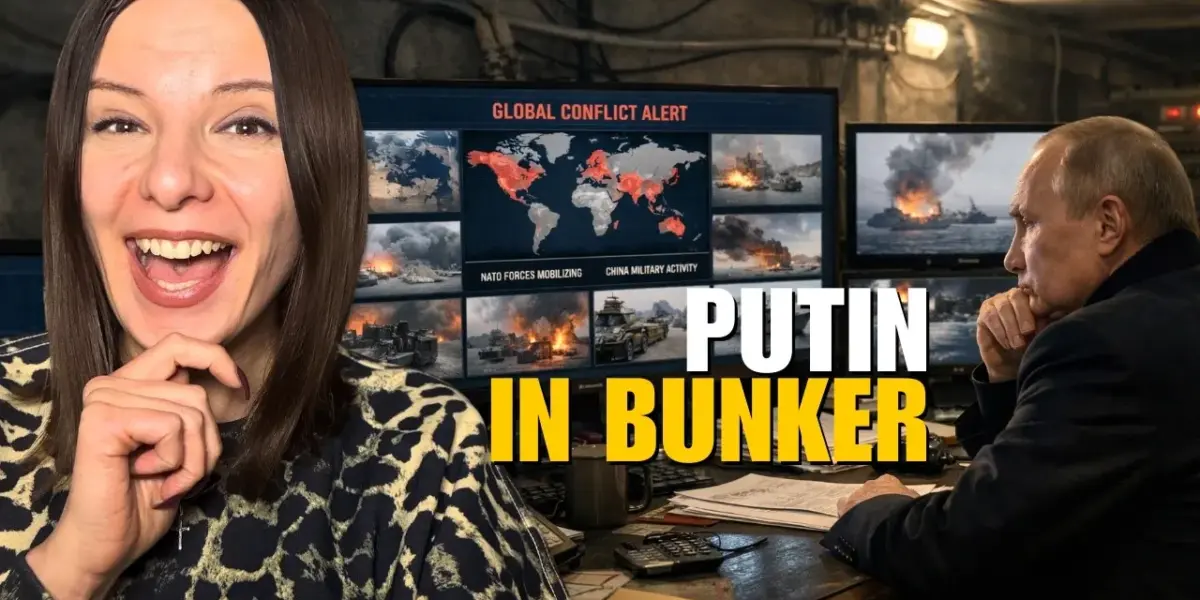
Putin Absent from Kremlin Amid Surveillance Worries
Russian President Vladimir Putin has reportedly not appeared at his Moscow office for at least ten days. This extended absence comes amid fears that surveillance technology, which his government has long used to monitor its own population, could now be turned against him. The concern reportedly grew after learning how Israel and the United States use widespread cameras to track individuals and neutralize targets. Putin is said to fear a similar fate, leading to increased security measures and a withdrawal from public view.
Government Surveillance Network Now a Threat
For decades, the Kremlin has invested heavily in a vast network of cameras across Moscow. These cameras were installed on streets and within government buildings. Their initial purpose was to maintain control, prevent coups, and suppress protests by monitoring citizens. However, the same system, designed for security, is now perceived as a potential vulnerability for Putin himself. This development highlights a critical irony: the tools of control may now be the source of his anxiety.
Internet Shutdowns and Air Defense Concerns
The prolonged internet shutdowns observed in Moscow are also thought to be connected to these security concerns. These shutdowns may be an attempt to prevent sensitive information from being leaked from cameras that use mobile internet connections. Meanwhile, reports indicate that mobile air defense systems have been deployed extensively around Moscow. Some observers joke that these defenses are aimed at internal threats rather than external ones, like Ukrainian drones. This contrasts sharply with regions actively involved in the conflict, which reportedly lack similar air defense coverage, causing resentment.
Historical Parallels and Dictator’s Fears
The fate of former Libyan leader Muammar Gaddafi is frequently cited as a significant moment for Putin. Gaddafi’s death served as a stark reminder of the potential consequences for leaders facing international scrutiny and internal dissent. This event reportedly reinforced Putin’s desire to maintain power indefinitely and protect himself from repercussions. The current situation, with Putin reportedly staying away from the Kremlin, underscores the deep-seated fears common among dictators who face widespread opposition. These leaders often live with the knowledge that many people dislike them, leading to extreme security precautions.
Doubles and Digital Deception
Speculation also surrounds the possibility of Putin using body doubles. Reports suggest that duplicate offices, designed to mimic the Kremlin, might exist kilometers away from the capital. This tactic, while seemingly extreme, reflects a leader’s intense fear for personal safety. The use of video conferencing for official appearances further blurs the lines. With advancements in artificial intelligence (AI), it is becoming increasingly difficult to ascertain whether the person on screen is the real Putin, one of his doubles, or even a digital manipulation.
Broader Geopolitical Context and Sanctions Debate
The situation unfolds against a backdrop of ongoing conflict and geopolitical tension. The author expresses frustration with decisions like the lifting of sanctions on Belarus by the U.S. administration. Belarus is described as a Russian satellite, and it is alleged that drones used in attacks on Ukrainian infrastructure originate from there. This decision is questioned, especially given Russia’s alleged intelligence sharing with Iran. The author believes such actions undermine efforts to counter Russian influence and aggression.
Strategic Implications: A Leader Under Pressure
Putin’s reported withdrawal and heightened security measures suggest a leader under significant pressure. The reliance on extensive surveillance, once a tool of power, has become a source of vulnerability. The disconnect between the Kremlin’s technological surveillance and the needs of its citizens, particularly in conflict zones, highlights internal weaknesses. The internet shutdowns, while intended to secure information, are alienating more people. This growing dissatisfaction among the Russian population, combined with external threats and the unpredictability of modern warfare, creates a volatile environment. The author suggests that these pressures will likely force Putin into more drastic actions rather than allowing him to relax.
The article emphasizes that the fear and chaos surrounding Putin are not conducive to stability. The combination of his perceived cowardice in the face of problems, the ongoing war, and increasing discontent within Russia and its sphere of influence poses a serious threat. The author encourages readers to stay informed and support Ukraine’s efforts to achieve peace through Russia’s defeat and demilitarization.
Source: PUTIN AVOIDS THE KREMLIN: SURVEILLANCE PANIC Vlog 1353: War in Ukraine (YouTube)

Related Articles
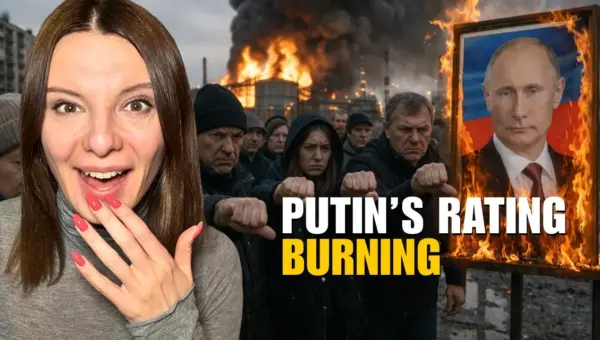
Ukraine Strikes Cripple Russian Oil Exports
Ukrainian drone strikes are crippling Russia's oil exports and damaging its economy, leading to falling domestic support for President Putin. The targeted attacks on refineries and terminals aim to cut off war funding and have significant geopolitical consequences.
Russia’s TV Dreams of Dividing Europe
Russian state television broadcasts increasingly aggressive rhetoric, discussing the division of Europe and dismissing Ukraine's statehood. This contrasts with battlefield realities and official diplomatic stances, highlighting a dual strategy of projecting strength and seeking geopolitical advantage. Analysts warn that these televised fantasies ignore the ongoing war and Ukraine's fight for sovereignty.
Ukraine Strikes Russian Oil Hubs, Straining War Funding
Ukraine's repeated strikes on Russian oil export terminals are targeting the financial backbone of Moscow's war machine. These attacks aim to cripple Russia's revenue streams and force a costly defense of its energy infrastructure, creating significant economic and political pressure on the Kremlin.