Iran Strikes Spark Global Energy Crisis, US Faces Dilemma
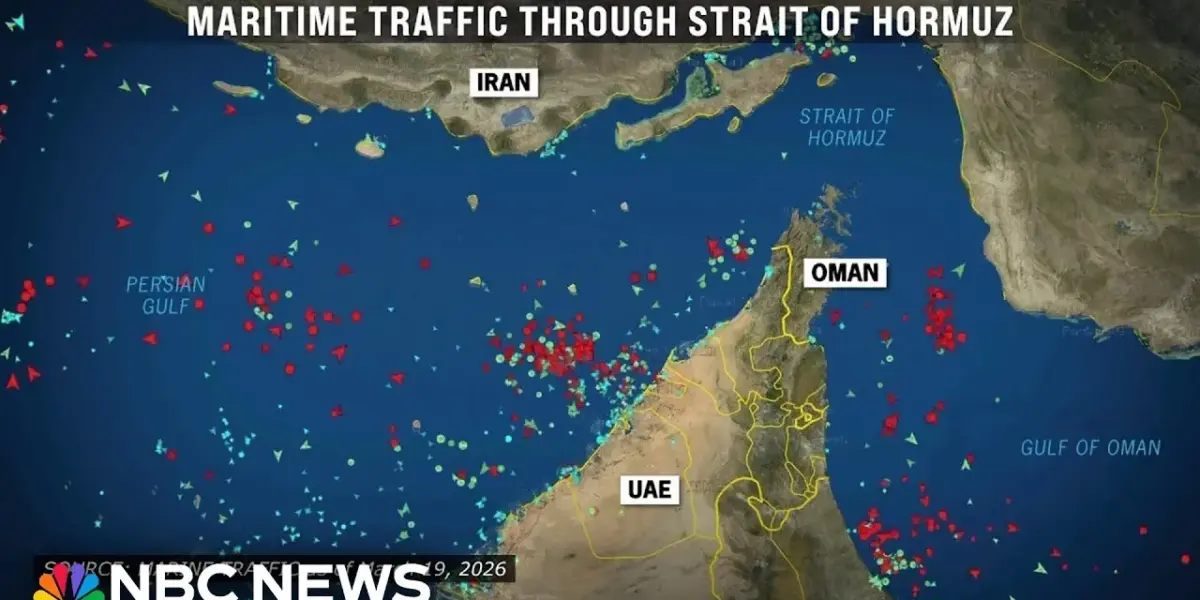
Iran's retaliatory strikes on energy infrastructure across the Gulf have sent global oil prices soaring, creating a complex dilemma for the U.S. administration. As tensions escalate, the possibility of a U.S. military footprint to secure the Strait of Hormuz is being openly discussed, while regional allies express growing frustration and a shattered trust with Iran.

Global Energy Markets Reel as Iran Strikes Spark Crisis
Tensions flared dramatically in the Middle East as Iran launched retaliatory strikes on energy infrastructure across the Gulf region, hitting facilities in Saudi Arabia, Qatar, and Kuwait. These attacks followed an earlier Israeli strike on the South Pars natural gas field, one of the world’s largest, which is shared by Iran and Qatar. The escalating conflict has sent shockwaves through global energy markets, with crude oil prices surging and fears of widespread shortages growing.
US Grapples with Rising Energy Prices and Diplomatic Tightrope
The escalating conflict has put the Trump administration in a difficult position, scrambling to calm growing anxiety over soaring energy prices. President Trump took to social media, initially stating the U.S. was unaware of the Israeli attack on South Pars. However, a U.S. official familiar with the information told NBC News that Israel had, in fact, informed the U.S. of its planned strike. Despite this, President Trump later stated he had told Israeli Prime Minister Benjamin Netanyahu to stop attacking Iran’s energy fields, a statement Netanyahu later seemed to contradict by saying Israel acted alone.
Divergent Goals: US and Israel on Different Paths?
Perspectives on the war’s objectives revealed a potential misalignment between the United States and Israel. While Prime Minister Netanyahu spoke of close coordination and achieving goals with President Trump at lightning speed, Director of National Intelligence Tulsi Gabbard offered a different view. Gabbard stated that the objectives laid out by the President differed from those of the Israeli government. This divergence raises questions about the long-term strategy and ultimate aims of the allied nations in the ongoing conflict.
Economic Fallout: Oil Prices Surge, Sanctions Considered
The immediate impact of the strikes has been a sharp rise in energy prices. Crude oil settled around $96 a barrel, a 43% increase since the war began. Gas and diesel prices are also climbing steadily. In an effort to mitigate the economic consequences, Treasury Secretary Steven Mnuchin suggested the U.S. might lift some sanctions on Iranian oil currently on the water. This move, totaling about 140 million barrels, could provide a temporary supply boost to help keep prices down for the next ten to fourteen days.
US Military Footprint: A Necessary Evil?
Amidst the escalating tensions and the potential closure of the Strait of Hormuz, a critical shipping lane, the question of a U.S. military presence in the region has become paramount. Energy industry analyst John Kilduff stated it is “hard to imagine” the U.S. can secure the Strait of Hormuz without some form of military footprint on the ground. While President Trump has repeatedly said he does not intend to deploy troops, the reality of keeping vital energy routes open may necessitate such intervention. The Pentagon is reportedly preparing to ask Congress for up to $200 billion to fund ongoing operations and replenish supplies, a request that may face significant debate on Capitol Hill.
Regional Concerns and the Path Forward
Officials in the region, speaking from Saudi Arabia, expressed worry, anger, and frustration over Iran’s actions. The Saudi Foreign Minister called Iran’s behavior “furious” and noted that an emergency meeting of regional foreign ministers was targeted by Iranian missiles. He emphasized that any re-engagement with Iran would be difficult, as the trust previously held has been shattered. The repair of damaged energy facilities in Qatar, crucial to the global economy, could take years, highlighting the long-term repercussions of the conflict. While some nations, like Oman, are focused on de-escalation, others increasingly call for a “right conclusion” to the conflict, not just a quick one.
Market Volatility and the ‘Energy Dominant’ Nation
Despite being described as “energy dominant,” the U.S. is not “energy insulated” from the global market. The country still imports millions of barrels of crude oil daily. U.S. oil exports along the Gulf Coast will reflect the global premium and security concerns, as ships can reroute to Asia. Analysts predict that if the Strait of Hormuz remains obstructed past early April, oil prices could surge further, and supply shortages may become a reality. The market is currently pricing in an eventual liberation of the strait, but the timeline remains uncertain, with April 1st circled on many calendars as a key date to watch.
What’s Next?
All eyes are now on the coming days and weeks as the U.S. and its allies decide on their next steps. The immediate focus will be on de-escalating tensions and finding ways to stabilize global energy markets. The potential for further Iranian retaliation, the effectiveness of proposed U.S. sanctions relief, and the ultimate decision on a military presence in the Strait of Hormuz will be critical factors to monitor. The long-term implications for regional stability and the global economy hinge on these unfolding events.
Source: 'Hard to imagine’ U.S. can secure Strait of Hormuz without 'military footprint': Energy analyst (YouTube)

Related Articles


Israel Escalates Iran Strikes, Warns of Wider War
Israel has launched significant strikes inside Iran following continued missile fire, warning of further escalation. The conflict risks wider regional instability and economic disruption, especially concerning the Strait of Hormuz.

Rubio Puts US First at G7 Summit, Sparks Debate
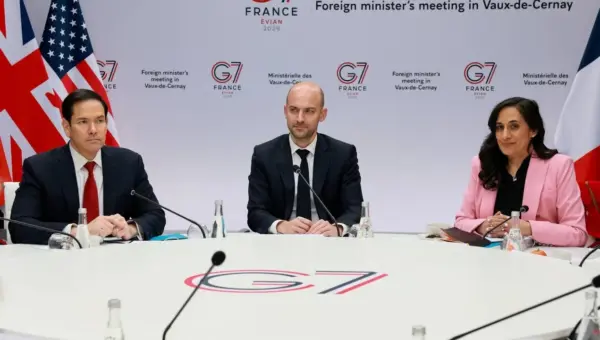
Secretary of State Marco Rubio attended the G7 summit in France, emphasizing his commitment to serving the American people above all else. The meeting addressed the war in Iran and Russia's role, revealing differing approaches among allies on regional security and the Strait of Hormuz.
US Troops Wounded in Saudi Base Attack by Iran
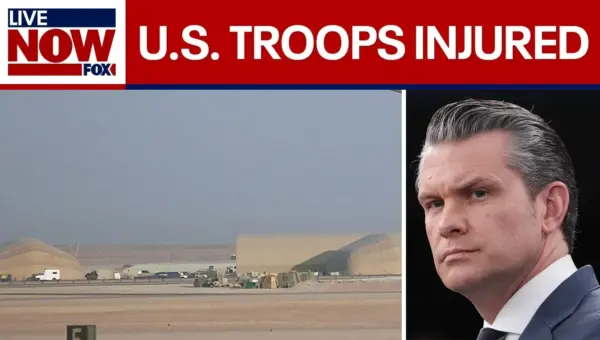
An Iranian missile attack on Prince Sultan Air Base in Saudi Arabia wounded multiple U.S. service members and damaged aircraft. The incident highlights the ongoing risks in the Middle East and the limitations of air defense systems. Analysts discuss the strategic implications, economic pressures, and the isolation of Iran amidst the conflict.