US Navy Destroys Iranian Ships in Fierce Retaliation
The U.S. military has released footage of devastating strikes on Iranian naval vessels and infrastructure. This escalation includes air strikes on military targets and the destruction of hidden boats. Allies are involved, and while Iran's capabilities are degrading, it still poses a threat. President Trump is trying to prevent further attacks on oil infrastructure.

US Navy Destroys Iranian Ships in Fierce Retaliation
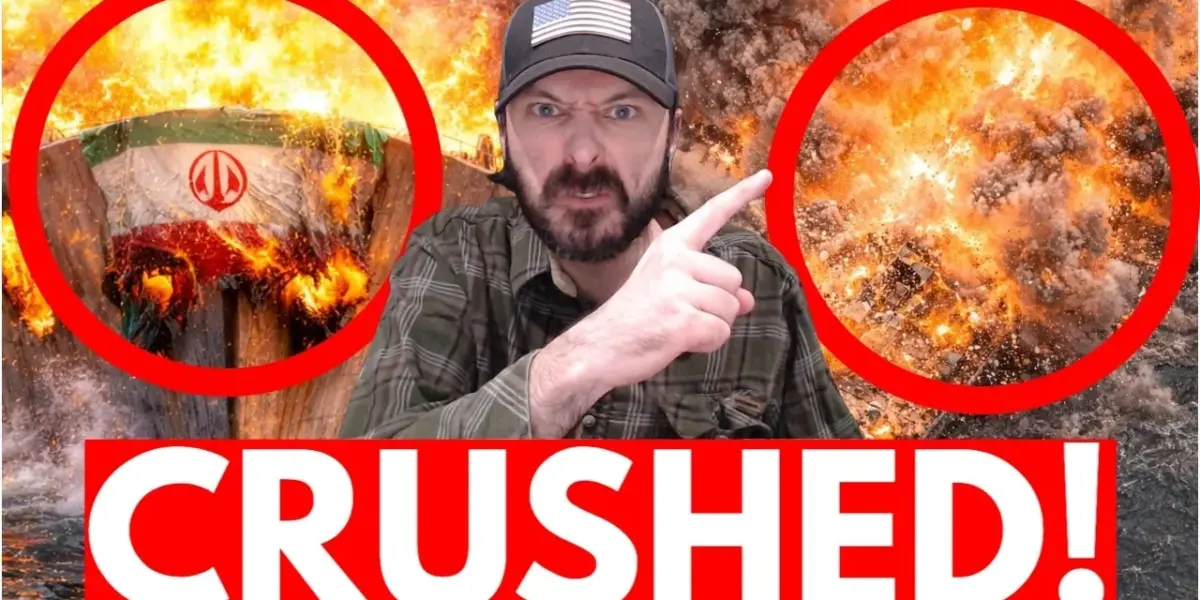
In a significant escalation of recent conflicts, the United States military has released stunning footage showing the destruction of multiple Iranian naval vessels. These strikes, occurring in and near the Strait of Hormuz, target Iranian naval assets that threaten international shipping. The released video shows a powerful and overwhelming bomb hitting at least one Iranian naval ship, causing its immediate destruction. This action is part of a broader campaign by the U.S. to assert control and ensure freedom of navigation in vital waterways.
Strikes Extend Beyond Naval Assets
The military action is not limited to just ships. The footage also reveals strikes on Iranian naval boats that were hidden, suggesting no place is safe from U.S. surveillance and response capabilities. In one instance, a boat on a trailer, concealed under a tree, was found and destroyed. Beyond naval targets, U.S. forces have conducted air strikes in Shiraz, Iran, causing massive plumes of smoke to rise, indicating significant damage. Additionally, an airport in Iran, specifically its fuel supply at Yazad airport, was hit and completely destroyed, crippling its operations.
Strategic Bombing and Air Power Deployed
The U.S. is deploying a range of its most advanced air power in these operations. Heavy strategic bombers, including the B1 Lancer, B-52s, and B-2 stealth bombers, are actively involved. The RQ-80 stealth drone has also been confirmed as part of the combat operations. These aircraft are essential for delivering precision strikes deep into enemy territory. The involvement of these powerful assets underscores the seriousness of the U.S. commitment to neutralizing threats and projecting force.
Israeli Involvement and Regional Dynamics
Adding another layer to the conflict, footage shows an Israeli strike on an airfield, resulting in the destruction of an Iranian helicopter. This highlights a coordinated or at least aligned effort between the U.S. and its allies in the region. Secretary of War Pete Eggs Seth stated that the U.S. is applying “overwhelming force with precision” and that “Iran’s capabilities continue to degrade” while U.S. capabilities “continue to build.” He emphasized that the current day’s strike package was the largest yet, indicating a sustained and intensifying military effort.
Ground Commanders Detail Operations
General Dan Kaine, Chairman of the Joint Chiefs of Staff, provided further details on the ongoing operations. He confirmed the deployment of A-10 Warthogs and AH-64 Apaches, aircraft known for their heavy armaments. These are being used to hunt and destroy fast attack watercraft in the Strait of Hormuz, as well as one-way attack drones and mine-laying capabilities. Kaine also noted that while Iran still retains some short-range missile capabilities, these are dwindling. He assured that layered defense systems are in place across the region to counter any remaining threats, working in cooperation with Gulf partners.
Iran’s Continued Firing Capabilities
Despite the significant damage inflicted by U.S. and allied forces, Iran has demonstrated that it still possesses firing capabilities. On March 19th, Iran reportedly fired seven ballistic missiles and 15 drones at the UAE. This event underscores the ongoing threat and the need for continuous vigilance and counter-measures. In response to these actions, missile interceptors have been deployed and successfully engaged incoming threats over Israel, showcasing the effectiveness of defensive systems.
President Trump’s Stance on Oil Infrastructure
The conflict has seen a dangerous escalation involving oil infrastructure. Following an Israeli strike on Iran’s South Pars gas field, Iran retaliated by bombing oil fields in Qatar and Saudi Arabia. President Trump issued a statement addressing this situation. He condemned Israel’s attack on the South Pars field, noting that the U.S. was unaware of it and that Qatar was not involved. Trump warned that any further attacks on the South Pars field by Iran would lead to the U.S. “massively blow[ing] up the entirety of the South Pars gas field.” His aim appears to be finding an “off-ramp” to prevent the destruction of oil infrastructure, which he believes would cause oil prices to skyrocket. He stressed that the goal is to focus on regular military targets until the war concludes.
Why This Matters
The events described represent a critical juncture in regional stability. The direct military confrontation between the U.S. and Iran, involving the destruction of naval assets and infrastructure, signifies a significant escalation. The involvement of allies like Israel adds complexity to the geopolitical landscape. The continued, albeit diminishing, firing capabilities of Iran, evidenced by missile and drone attacks, highlight the persistent threat. President Trump’s intervention regarding oil infrastructure underscores the global economic implications of this conflict. The potential for oil prices to surge if energy facilities are destroyed means that this regional conflict has far-reaching consequences for the global economy.
Trends and Future Outlook
Several trends are evident from these developments. Firstly, the U.S. is employing a strategy of overwhelming force and precision strikes to degrade Iran’s military capabilities. Secondly, there is a clear effort to maintain freedom of navigation in critical shipping lanes like the Strait of Hormuz. Thirdly, the conflict is increasingly becoming a multi-faceted regional issue, with allies playing a role. The future outlook suggests a continued high level of military activity. The U.S. appears committed to its current course, while Iran’s continued retaliatory actions indicate a willingness to engage despite facing significant military pressure. The focus on economic stability, particularly concerning oil supplies, will likely remain a key consideration for all parties involved. The diplomatic efforts, as suggested by Trump’s statement, will be crucial in preventing further uncontrolled escalation, especially concerning vital energy resources.
Historical Context
The current tensions between the U.S. and Iran have deep historical roots, stretching back to the 1979 Iranian Revolution. For decades, the two nations have engaged in a complex relationship marked by periods of hostility and proxy conflicts. The Strait of Hormuz has long been a critical chokepoint for global oil supplies, and its security has been a recurring concern for international powers. Past incidents, such as tanker attacks and naval standoffs, have frequently brought the two countries to the brink of direct confrontation. The recent escalation builds upon this history of animosity and strategic competition, with both sides seeking to assert their influence and protect their interests in a volatile region.
Source: U.S. Military HAMMERS Iran Navy Ship – Stunning Footage Released (YouTube)

Related Articles

G7 Allies Clash Over Iran War Strategy, Urge Focus on Russia
G7 foreign ministers met in Paris, revealing deep divisions over the U.S. war with Iran. European allies urged the U.S. to pressure Russia, linking its actions to the conflict and fearing support for Ukraine will wane.

Iran Blocks China Ships, Exposing Beijing’s Weak Grip
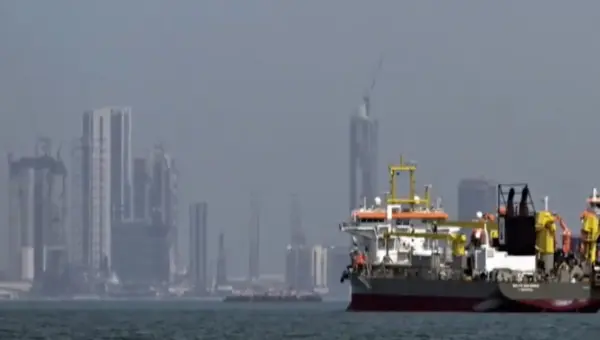
Iran's recent decision to block Chinese ships at the Strait of Hormuz is exposing the limits of Beijing's influence in the Middle East. This action is causing delays and cancellations for Chinese manufacturers, turning a perceived geopolitical win into an economic strain.
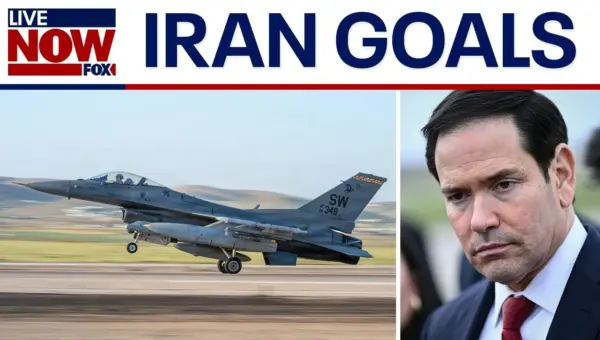
Rubio: US Can Achieve Iran War Goals Without Troops
Senator Marco Rubio outlined a strategy to counter Iran without deploying U.S. ground troops, focusing on weakening the regime and enhancing maritime security. He also criticized Cuba's economic system and expressed concerns about West Bank violence.