Trump’s Iran Strategy: No Excuse for War, Analysis Shows
Analysis suggests President Trump's actions against Iran align with his long-held views, contradicting claims he was misled. Historical evidence shows a consistent focus on Iran since 1980, including past calls for military intervention. His presidency saw the withdrawal from the Iran nuclear deal and the assassination of Qasem Soleimani, actions seen as consistent with his ideology.

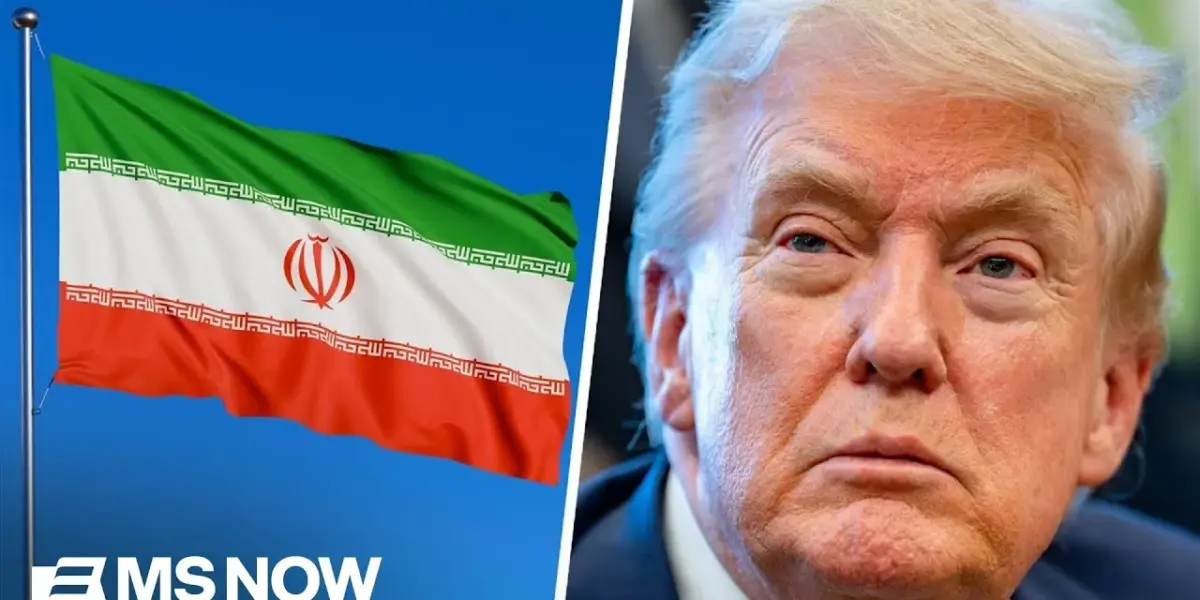
Trump’s Iran Policy Under Scrutiny Amidst War Accusations
Recent analyses challenge the narrative that President Donald Trump was misled into escalating conflict with Iran, suggesting his actions align with long-held foreign policy views. This comes as some supporters attempt to distance themselves from potential war involvement by blaming external influences. The debate centers on whether Trump acted independently or was swayed by external pressures, particularly from Israeli officials, as suggested in a resignation letter.
Kent’s Letter Claims Israeli Influence on Trump’s Iran Policy
Joe Kent, in his resignation, argued that high-ranking Israeli officials used a misinformation campaign to undermine Trump’s “America First” platform. Kent claimed this campaign promoted pro-war sentiments and deceived Trump into believing Iran posed an immediate threat. He stated that these actions pushed Trump towards war, contrary to his campaign promises to avoid Middle Eastern conflicts. Kent’s letter specifically mentioned supporting Trump’s values and policies from 2016 through 2024, which he believes centered on avoiding costly wars that drained American lives and resources.
“High ranking Israeli officials deployed a misinformation campaign that wholly undermine your America First platform and sowed pro-war sentiments to encourage war with Iran. This echo chamber was used to deceive you into believing Iran posed an imminent threat to the United States.”
Historical Evidence Contradicts Claims of Trump’s Reluctance on Iran
However, experts and historical records suggest Trump’s focus on Iran predates his presidency and his alleged manipulation. Evidence points to a long-standing interest, even an obsession, with Iran dating back to 1980. At age 34, Trump criticized President Carter for not intervening militarily in Iran to rescue American hostages after the 1979 revolution. He expressed disappointment that the U.S. did not act, believing such an intervention was justified and would have been accepted internationally.
In this earlier stance, Trump stated: “Your advocating that we should have gone in there with troops, etc., and brought our boys out. I absolutely feel that, yes. I don’t think there’s any question, and there’s no question in my mind.” He further added, “I think right now would be an oil-rich nation, and I believe that we should have done it, and I’m very disappointed that we didn’t do it.” He even stated that while he wouldn’t have wanted to be one of the soldiers, he would have performed the mission if ordered.
Trump’s Presidency Marked by Actions Against Iran
Analysis of Trump’s time in office shows a consistent pattern of actions against Iran, rather than a reluctant following of others’ agendas. Shortly after taking office in 2017, Trump withdrew the U.S. from the Obama administration’s nuclear deal with Iran in 2018. This was followed by the assassination of Qasem Soleimani, a key Iranian military leader, in 2020. Upon returning to power in 2024, Trump’s administration resumed aggressive policies. This included bombing Iranian nuclear facilities the previous year and launching the current conflict after a significant U.S. military buildup in the region.
These actions, according to critics, represent not a deviation from Trump’s core beliefs but rather the full expression of his ideology regarding Iran. The pattern suggests a proactive stance rather than one forced upon him.
Broader Questions About Trump’s Decision-Making
The situation raises broader questions about Trump’s leadership style and decision-making process. Analysts question why he often appears to disregard expert advice and intelligence. They also question his tendency to not fully consider the consequences of his actions and his reluctance to accept responsibility when things go wrong. The argument is that these patterns are not new but have been enabled by the Republican Party and a segment of the American electorate.
Looking Ahead: Trump’s Iran Stance and Future Policy
Moving forward, the focus will likely remain on understanding the true drivers behind Trump’s foreign policy decisions, particularly concerning Iran. Whether his approach stems from deeply held convictions or a tendency to ignore counsel, his past actions provide a clear indicator of potential future strategies. The impact of these decisions on regional stability and international relations will continue to be a critical area to monitor.
Source: Don't let Joe Kent's letter fool you. Katy Tur analyzes Trump's Iran strategy (YouTube)

Related Articles

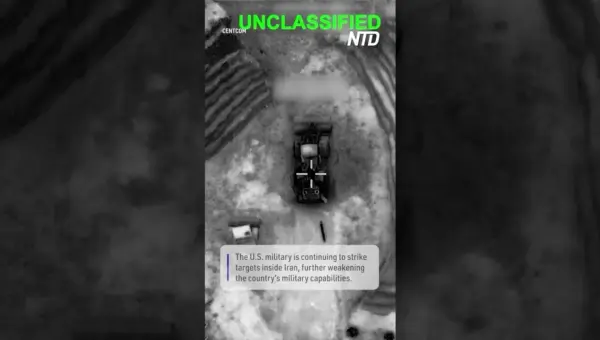
US Strikes Cripple Iran’s Military Might, CENTCOM Reports
U.S. Central Command reports ongoing strikes inside Iran are significantly weakening its military power. This direct action aims to reshape regional security dynamics, but carries risks of escalation. The long-term impact depends on Iran's response and ability to adapt.

U.S. Iran Tensions Rise Amid Shifting Alliances
Rising tensions between the U.S. and Iran are creating a volatile geopolitical situation. With conflicting signals on de-escalation and potential shifts in alliances like NATO and U.S.-Israel relations, the path forward remains uncertain. The global economy and regional stability hang in the balance.


Iran Targets US With Cyberattacks, Escalating Digital Warfare
Iran is increasingly using cyberattacks to challenge the U.S., as seen in a recent hack of the FBI director's account. Experts say this is a strategic shift due to Iran's limitations in conventional warfare. The U.S. needs to strengthen its digital defenses, focusing on encryption and cloud computing, rather than solely relying on traditional security measures.