Oil Prices Surge Amid Mideast Tensions, Impacting Markets
Soaring oil prices driven by Middle East conflict are sending shockwaves through global markets, fueling inflation fears and impacting traditional assets like stocks and silver. Bitcoin has also seen a significant pullback amid the growing economic uncertainty and concerns over job creation.


Oil Prices Surge Amid Mideast Tensions, Impacting Markets
Global energy markets are experiencing significant volatility as escalating tensions in the Middle East threaten supply chains. Recent events, including alleged Israeli attacks and Iranian retaliation, have sent crude oil prices soaring and raised concerns about broader economic stability. West Texas Intermediate (WTI) crude oil has neared $100 a barrel, a dramatic increase from lower prices seen just weeks ago. This rapid acceleration in oil costs, reminiscent of spikes seen in 2021 but occurring at a much faster pace, could lead to widespread inflation and economic disruption.
Geopolitical Events Fuel Energy Price Hikes
The conflict’s impact is being felt across the energy sector. Reports indicate damage to a major Liquefied Natural Gas (LNG) facility in Qatar, which accounts for 20% of global LNG supply. This disruption could significantly affect energy availability in Europe, particularly heading into colder months. The Pentagon has also requested a substantial $200 billion spending package for potential operations related to the conflict, a figure that dwarfs previous aid packages for other global crises. This level of spending could place immense pressure on the U.S. federal budget.
Analysts express concern that the conflict may extend beyond regional skirmishes, potentially impacting critical global infrastructure. The damage to oil and gas production in countries like Iran, Kuwait, Iraq, and Qatar highlights the fragility of the current energy supply. The situation is compounded by the potential for further escalation, with discussions around U.S. military reinforcements adding another layer of uncertainty. Experts suggest that a prolonged conflict could mean months of disruption, with no clear end in sight, contrary to initial optimistic timelines.
Economic Fallout: Inflation, Jobs, and Market Reactions
The rising energy costs are directly translating into higher prices at the pump, with gasoline prices climbing steadily. Breaking the $4 per gallon mark is seen as a significant problem, and exceeding $5 would represent a major economic issue. These price increases are expected to influence consumer spending and could impact upcoming elections. Beyond gasoline, the ripple effects are spreading to other essential commodities, including helium, crucial for data centers, and fertilizers, vital for global agriculture. This creates a complex web of supply chain pressures.
Federal Reserve officials have acknowledged the uncertainty surrounding the Middle East events and their impact on the U.S. economy. While higher energy prices are expected to push up inflation in the short term, the full scope and duration of the effects remain unclear. Adding to these concerns, recent data suggests a significant slowdown in job creation. Some analyses indicate nearly zero net job growth in the private sector over the past six months, a worrying trend that could signal broader economic weakness. This combination of rising inflation and stagnant job growth presents a challenging scenario for policymakers.
Market Uncertainty and Bitcoin’s Volatility
In response to these economic headwinds and geopolitical instability, traditional markets are showing signs of strain. Gold prices have begun to slip, while silver has experienced a sharp decline. The S&P 500 index is showing a downward trend, and even Bitcoin, which had seen recent gains, has retraced significantly, falling back into the $60,000 range. Some analysts predict periods of market denial followed by sharp downward adjustments until greater clarity emerges regarding global supply routes and geopolitical stability.
The potential for increased interest rate hikes by the Federal Reserve is also on the table. Market expectations for rate hikes have climbed, suggesting that policymakers may need to tighten monetary policy further to combat inflation. This could add further pressure to an already fragile economic environment. The uncertainty surrounding the job market and inflation is particularly concerning for the Fed, as these are key factors guiding monetary policy decisions. The market is closely watching any signals from Federal Reserve Chair Jerome Powell and potential future leadership changes.
Blockchain and Tokenization Offer Glimmers of Innovation
Amidst the market turmoil, there are emerging discussions about how blockchain technology could provide solutions. The concept of tokenizing assets, such as equities, is gaining traction, with data showing a significant surge in tokenized equity value from $100 million to $4 billion since 2025. Furthermore, the potential for private credit transactions to be recorded on a blockchain is being explored as a way to increase transparency and manage risk, especially in light of concerns raised during past financial crises. The official launch of 24/7 trading on the S&P 500, in partnership with Hyperl XYZ, also points to evolving market structures.
Looking ahead, diplomatic efforts and trade relations remain crucial. Delays in high-level meetings, such as the one between President Trump and Xi Jinping, suggest underlying complexities in international relations, potentially linked to ongoing geopolitical events. Iran’s negotiations with multiple countries regarding passage through the Strait of Hormuz, with transactions potentially occurring in Chinese Yuan, highlight shifts in global trade dynamics and power structures. Meanwhile, the U.S. Treasury Secretary has acknowledged the possibility of China using digital assets and blockchain to compete with the U.S. market, although Hong Kong’s crypto market, while active, remains smaller than the U.S. in terms of capital attracted.
Source: Oil Chaos vs Crypto & Stock Market🔥 (YouTube)

Related Articles

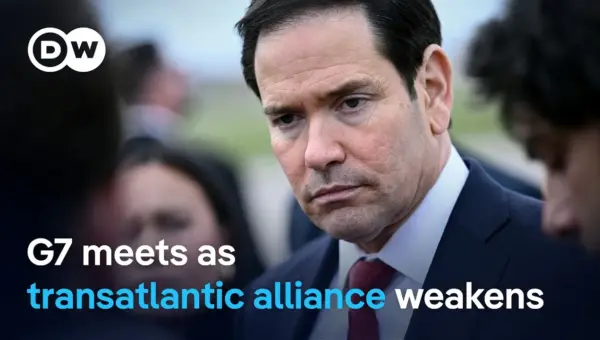
G7 Allies Clash Over Iran War Strategy, Urge Focus on Russia
G7 foreign ministers met in Paris, revealing deep divisions over the U.S. war with Iran. European allies urged the U.S. to pressure Russia, linking its actions to the conflict and fearing support for Ukraine will wane.

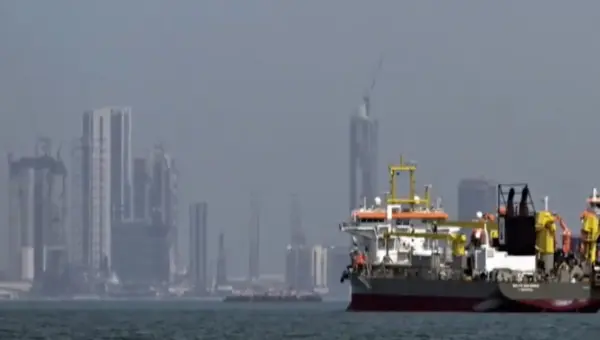
Iran Blocks China Ships, Exposing Beijing’s Weak Grip
Iran's recent decision to block Chinese ships at the Strait of Hormuz is exposing the limits of Beijing's influence in the Middle East. This action is causing delays and cancellations for Chinese manufacturers, turning a perceived geopolitical win into an economic strain.
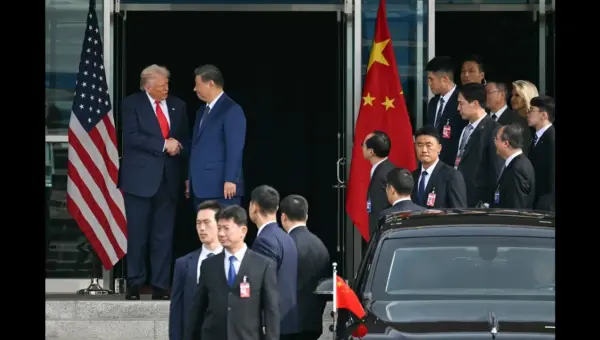
Trump’s “Walk Away” Tactic Signals Tougher Stance on China
Retired Air Force Brigadier General David Stillwell believes President Trump's strategy of being willing to walk away from negotiations puts pressure on China. This tactic, combined with US global actions and strengthened alliances, signals a more assertive American foreign policy.