Russia Ramps Up War Spending Amidst Doubts
Russian state media discusses the inevitability of large-scale conflict, prioritizing military spending despite economic woes. Accusations fly regarding Western weapons use and Ukraine's nuclear program, while propaganda shifts to justify war efforts and threaten European nations.

Russia Prioritizes Military Amidst Economic Strain
Russia is channeling significant resources, including oil revenues, into bolstering its military with modern equipment. This strategic focus comes as Russian state media and officials discuss the inevitability of large-scale, potentially nuclear, conflict. Despite economic challenges, military spending remains a top priority, with reports indicating a 10% budget slash in other areas while defense budgets are protected. This prioritization suggests Russia has no immediate plans for peace negotiations.
Propaganda Shifts Focus to Iran and Ukraine’s Nuclear Ambitions
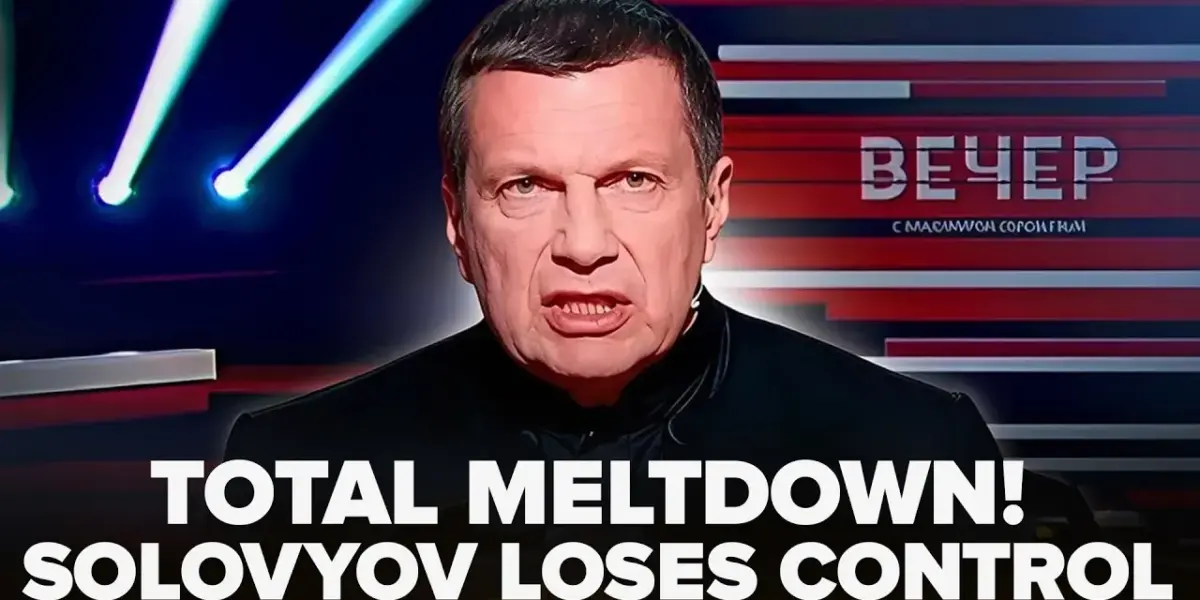
Russian propaganda outlets have recently focused on the war against Iran, despite Iran supplying Russia with drones for its operations in Ukraine. Russian television personalities, like Vladimir Solovyov, have defended Iran’s actions while simultaneously accusing Ukraine of seeking nuclear weapons. This narrative contrasts sharply with the reality, where Iran is enriching uranium to near weapons-grade levels, while Ukraine’s uranium enrichment is solely for civilian nuclear power. The Kremlin also falsely suggests France might transfer nuclear warheads to Ukraine, a claim widely dismissed outside of Russian state media.
Western Weapons and Accusations of Escalation
Following a Ukrainian strike on the Cr Microchip plant in Bryansk on March 10th, Russia accused Ukraine of using Storm Shadow missiles and alleged direct involvement from the UK and NATO. Russia claims that high-tech Western weapons require foreign specialists for operation and targeting, and that intelligence is provided by NATO countries. The Russian Foreign Ministry stated that Western nations, particularly the UK, bear responsibility for the strike’s consequences, including civilian casualties. Moscow views these actions as an attempt by the UK to escalate the conflict through proxies, potentially derailing peace efforts.
The “Spin Snipers” Perspective
“Meanwhile, Russia bombs Ukraine every single day and just looks the other way. They can justify their own strikes, but the moment Ukraine hits one key Russian defense factor. Outrage everywhere. And of course, blaming Europe for the war for preparing for war or even wanting a war against Russia. Classic Kremlin playbook.”
Debate Over European Preparedness and Strategic Goals
Russian state media questions Europe’s motivations for preparing for war, suggesting a lack of focus on principles like international law. They argue that Europe’s primary goal is the strategic defeat of Russia, rather than defending democracy or freedom. This is contrasted with the past, where Europe engaged in joint projects and purchased Russian gas for decades. Russian officials have also attempted to re-engage Europe with Russian gas supplies amidst energy concerns.
Accusations of Aggression and Shifting Alliances
Some European nations, like Hungary and Slovakia, have reportedly felt targeted by Ukraine, with claims of Ukrainian aggression against them. Russian media also references a German court finding that Ukraine committed an act of aggression against Germany. Despite these narratives, Russia continues to offer trade resumption if sanctions are lifted, framing itself as a potential partner while simultaneously issuing threats. Russian television has discussed bombing European cities, which ironically reinforces the need for collective defense alliances like NATO.
Russia’s Threat Perception and Military Posturing
Russian media has also discussed potential strikes on military bases in Poland, Germany, and France in the event of conflict. This rhetoric suggests that any confrontation would directly target these host nations, not just Ukraine. The argument is made that if Russia perceives a threat, it will strike military bases from which operations are launched. This messaging appears to be a tactic to deter Western involvement and highlight the perceived risks of supporting Ukraine.
Conclusion: The Era of Long Wars
The ongoing conflict and heightened rhetoric suggest that humanity has entered an era of prolonged warfare. Russia’s continued military buildup, coupled with propaganda efforts to justify actions and shift blame, indicates a long-term strategic objective. The attack on the Bryansk factory and the subsequent accusations highlight the complex dynamics of information warfare and the reliance on advanced weaponry in modern conflicts. The situation underscores the deep divisions and mistrust characterizing the current geopolitical landscape.
Source: 🔥Solovyov screams at Russians on air! REACTION to Russia’s DEFEAT is blowing up. Putin was SET UP (YouTube)

Related Articles
Trump’s “Walk Away” Tactic Signals Tougher Stance on China
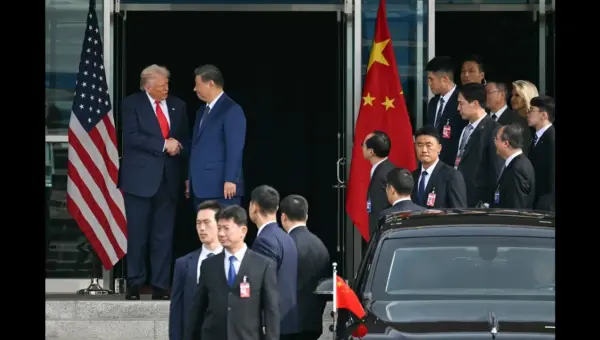
Retired Air Force Brigadier General David Stillwell believes President Trump's strategy of being willing to walk away from negotiations puts pressure on China. This tactic, combined with US global actions and strengthened alliances, signals a more assertive American foreign policy.

China Fights Back: Tariffs Loom Ahead of Trump Visit
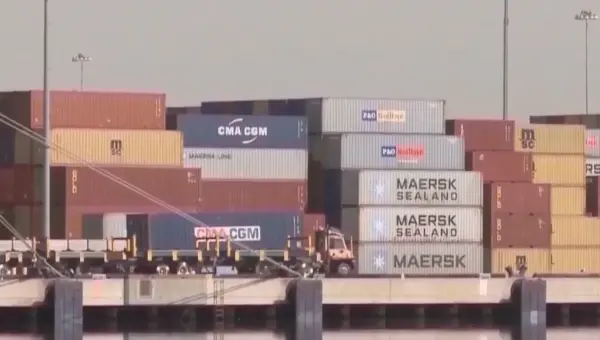
China is retaliating against US trade investigations that could lead to higher tariffs. This escalating trade tension occurs just before a planned visit by President Trump. The dispute involves accusations of unfair practices and impacts global supply chains.


Israelis Forge Resilience Amidst Constant Bomb Shelter Drills
Life in Israel is a blend of resilience and constant vigilance, with many families adapting to frequent bomb shelter drills and even sleeping in makeshift shelters. Despite ongoing missile attacks, Israelis strive to maintain normalcy, though businesses face disruption and emotional fatigue is a growing concern.