Gabbard: Israel’s Iran Goals Differ From Trump’s Strategy
Tulsi Gabbard revealed that Israel's goals in Iran differ from President Trump's strategy. This statement came after Israel reportedly struck Iranian energy infrastructure against Trump's wishes. The divergence highlights complex U.S.-Israel relations in managing regional security.

Gabbard Highlights Divergent Aims in Iran Standoff
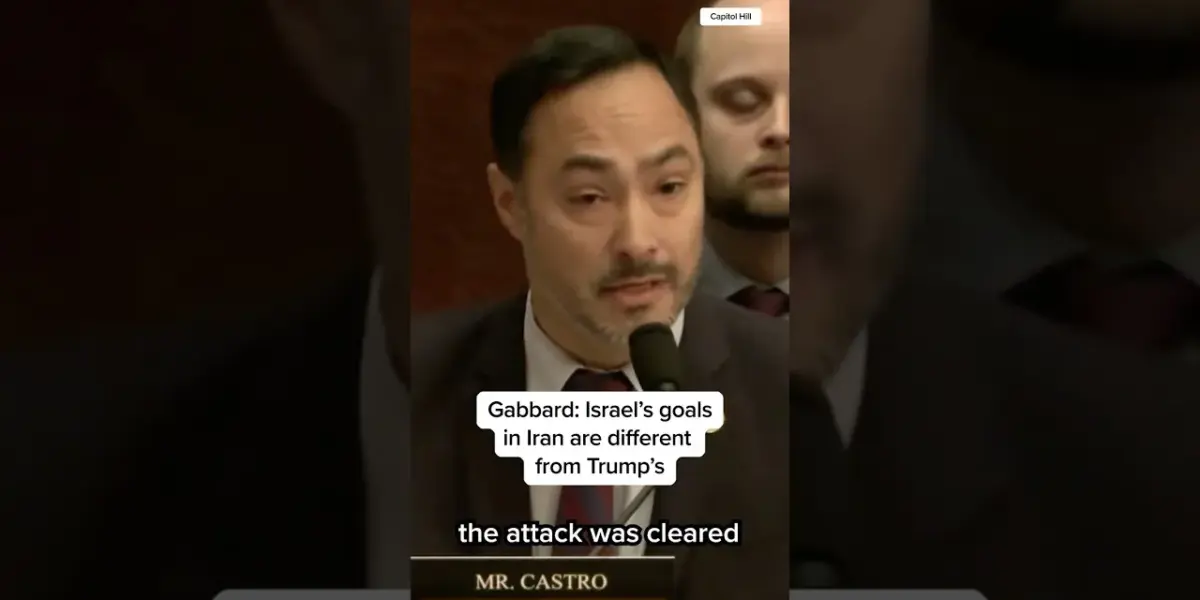
Former Congresswoman and presidential candidate Tulsi Gabbard stated that Israel’s objectives regarding Iran are distinct from those of President Donald Trump. Gabbard made these remarks during a discussion with Representative Joaquin Castro, a Democrat from Texas. The conversation arose after Israel conducted strikes on Iran’s energy infrastructure. This action reportedly went against President Trump’s specific directive to avoid targeting such facilities.
Castro Presses Gabbard on Israeli Strikes
Representative Castro questioned Gabbard directly about Israel’s decision to strike Iranian energy sites. The context was President Trump’s apparent instruction to keep these particular facilities untouched. Gabbard’s response indicated a significant difference in strategic goals between the two allies on how to deal with Iran.
Gabbard explained that the Israeli government has its own set of objectives concerning Iran. These objectives, she suggested, are not necessarily aligned with President Trump’s stated policy or intentions. This divergence points to potential complexities in international relations and military strategy, especially when allies pursue different paths to achieve security.
Understanding the Strategic Differences
The core of Gabbard’s statement suggests that while both the U.S. and Israel share concerns about Iran, their approaches and ultimate aims may vary. For instance, Israel might prioritize disrupting Iran’s capabilities in ways that directly impact its regional influence or nuclear program. This could involve targeting infrastructure that fuels Iran’s military or economic power.
On the other hand, President Trump’s administration might have focused on a different set of priorities. These could include avoiding escalation that could draw the U.S. into a wider conflict or targeting specific elements deemed more critical to immediate U.S. security interests. The difference in focus can lead to actions that appear contradictory to an outside observer, as seen with the energy infrastructure strikes.
Implications for U.S.-Israel Relations
These differing objectives can create friction between allies. When one nation acts against the stated wishes of another, it raises questions about coordination and trust. For the United States, understanding Israel’s independent strategic goals is crucial for managing the relationship effectively. It also impacts how U.S. policy is shaped in response to regional events.
The situation highlights a broader challenge in foreign policy: balancing national interests with those of key allies. While cooperation is essential, each nation ultimately acts to protect its own security and advance its own strategic vision. Gabbard’s comments shed light on this delicate balance, suggesting that a one-size-fits-all approach to dealing with Iran is unlikely to satisfy all parties involved.
Broader Context of Iran Tensions
Tensions between Iran and Western nations, including the U.S. and its allies like Israel, have been high for years. These tensions often involve Iran’s nuclear program, its support for regional militant groups, and its ballistic missile development. Both the U.S. and Israel have expressed deep concern over these issues and have employed various strategies to counter Iran’s influence.
Israel, in particular, views Iran as a direct existential threat. It has frequently conducted airstrikes in Syria, for example, to prevent Iran from establishing a military presence near its borders. These actions are often carried out with the understanding, or sometimes without explicit U.S. approval, reflecting Israel’s determination to safeguard its security interests independently.
What to Watch Next
Moving forward, it will be important to monitor how these divergent strategies impact regional stability. The effectiveness of distinct approaches to managing Iran’s activities remains a key question. Continued dialogue and clear communication between the U.S. and Israel will be vital to prevent misunderstandings and to coordinate efforts where possible. The ultimate success of any strategy will depend on its ability to de-escalate conflict while effectively addressing security concerns for all parties involved.
Source: Gabbard: Israel's goal sin Iran are different from Trump's (YouTube)

Related Articles
Rubio: US Can Achieve Iran War Goals Without Troops
Senator Marco Rubio outlined a strategy to counter Iran without deploying U.S. ground troops, focusing on weakening the regime and enhancing maritime security. He also criticized Cuba's economic system and expressed concerns about West Bank violence.

Trump’s “Walk Away” Tactic Signals Tougher Stance on China
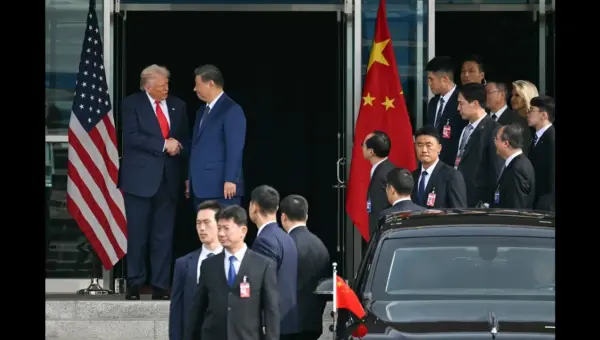
Retired Air Force Brigadier General David Stillwell believes President Trump's strategy of being willing to walk away from negotiations puts pressure on China. This tactic, combined with US global actions and strengthened alliances, signals a more assertive American foreign policy.


Israelis Forge Resilience Amidst Constant Bomb Shelter Drills
Life in Israel is a blend of resilience and constant vigilance, with many families adapting to frequent bomb shelter drills and even sleeping in makeshift shelters. Despite ongoing missile attacks, Israelis strive to maintain normalcy, though businesses face disruption and emotional fatigue is a growing concern.