Bondi Defies Subpoena: A Challenge to Law and Justice
Pam Bondi's refusal to commit to a congressional subpoena, opting instead for a voluntary briefing, has ignited controversy. This defiance raises serious questions about accountability, especially concerning her previous statements about the Epstein files and potential legal ramifications.

Bondi Defies Subpoena: A Challenge to Law and Justice
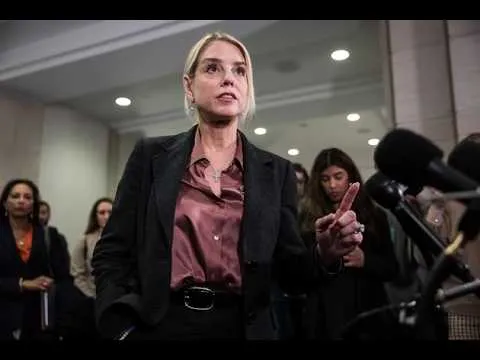
The legal world is buzzing with a significant development involving Pam Bondi, former Attorney General and a key figure in the ongoing Epstein file saga. Bondi was expected to testify before the House Oversight Committee under subpoena. However, she instead offered a voluntary briefing to members of Congress. This move has sparked outrage and raised serious questions about accountability and the rule of law.
A Disrespectful Process
Congressman Robert Garcia, the ranking member of the House Oversight Committee, expressed his deep frustration. He stated that Bondi showed a “complete disrespect of the process” and that the American public should be “outraged.” Garcia directly asked Bondi if she would commit to following the subpoena. She refused to commit on multiple occasions. The subpoena itself was issued by Republican Chairman James Comer, highlighting that this is not a partisan issue but a matter of legal procedure.
The Subpoena vs. The Briefing
A subpoena is a lawful order compelling someone to testify under oath. This testimony is recorded and becomes public record. Bondi’s offer of a voluntary briefing appears to be an attempt to avoid this sworn testimony. By providing information outside the legal framework of a subpoena, she might believe she can sidestep direct questioning and potential legal consequences. This maneuver has been described as “theater of the absurd” and “theater of the lawless.”
Legal Precedents and Consequences
The legal experts in the discussion pointed to past instances where officials defied congressional subpoenas. Figures like Steve Bannon and Peter Navarro were indicted, tried, convicted, and imprisoned for similar actions. As the nation’s top law enforcement officer, Bondi is expected to uphold and enforce laws. Her refusal to commit to a subpoena, especially when she herself is tasked with upholding the law, sets a troubling precedent.
“A subpoena from Congress is a lawful directive that she must comply with.”
Why the Resistance? The Epstein Files Connection
A key reason for Bondi’s apparent reluctance to testify under oath seems to stem from her previous statements regarding the Epstein files. During earlier testimony, she stated there was no evidence in the files that Donald Trump committed a crime. However, recent releases from the Epstein files appear to contain direct evidence, including testimony from a victim, suggesting otherwise. If forced to testify under oath again, Bondi could be confronted with her previous statement and the new evidence. This puts her in a difficult position, potentially leading to accusations of lying to Congress.
Pleading the Fifth?
The discussion raised the possibility that Bondi might have to invoke her Fifth Amendment right against self-incrimination if forced to testify under oath. This would mean she could not answer questions truthfully without incriminating herself. For a former Attorney General, this would be a highly damaging situation, suggesting she herself may have engaged in criminal activity. It is suggested that she is trying to avoid this scenario by opting for a less formal, voluntary briefing.
Inherent Congressional Powers
Congress possesses certain powers to compel compliance. These include the inherent contempt power, which allows for the arrest and detention of individuals who defy subpoenas. Congress can also use its power of the purse to influence executive branch actions. While these measures are serious, they can be effective in forcing compliance and ensuring accountability.
The Epstein Files Transparency Act
The Epstein Files Transparency Act was signed into law by Donald Trump, requiring the release of these sensitive documents. The discussion highlighted that despite this law, there has been a lack of investigation and accountability in the U.S. concerning the Epstein case. This is contrasted with other countries, where the release of the files led to criminal investigations and arrests. Pam Bondi’s role in handling these files has come under scrutiny, with accusations that she has actively worked to prevent accountability, particularly concerning Donald Trump.
A Pattern of Self-Preservation?
The conversation touched upon Donald Trump’s alleged statement, “I don’t want my friends to get hurt.” This has been interpreted not as an act of loyalty, but as an admission of his own potential incrimination within the files. The analogy was drawn to Trump’s history of discarding allies once they are no longer politically useful. This pattern suggests a deep-seated self-preservation instinct that could influence actions related to the Epstein files and the ongoing investigations.
Why This Matters
This situation is crucial because it tests the foundations of our legal system. It questions whether powerful individuals can evade lawful subpoenas and truthful testimony. Pam Bondi’s actions, and the potential consequences, speak to the broader issue of accountability for those in positions of authority. The handling of the Epstein files and the pursuit of justice for victims are also at the heart of this matter. The public deserves transparency and assurance that the law applies equally to everyone, regardless of their political connections or past roles.
Implications and Future Outlook
If Bondi successfully avoids sworn testimony, it could embolden others to disregard congressional subpoenas. This would weaken Congress’s oversight powers. Conversely, if she is held accountable, it would reinforce the principle that no one is above the law. The future outlook depends on whether the legal and political systems prioritize enforcing subpoenas and pursuing truth, even when it involves high-profile individuals. The upcoming administration and the actions of law enforcement agencies will be critical in determining the path forward.
Source: Prosecutor drops BOMB on Bondi amid Epstein update (YouTube)

Related Articles


Social Media Giants Face Legal Reckoning Over Child Harm
Juries have recently found Meta and YouTube liable for harming children, marking a significant legal shift. This, coupled with legislative efforts like the Kids Online Safety Act, signals a growing demand for social media accountability regarding child safety and mental well-being.


Bondi Faces Impeachment Over Epstein Files Cover-Up
Democrats are preparing articles of impeachment against Pam Bondi, citing her actions regarding the Epstein files. This move signals growing dissent within the Republican party and raises concerns about a potential cover-up and disregard for the rule of law. The investigation into the Epstein files continues, with calls for full transparency and accountability.

Trump’s Airport Game Backfires, Exposing Party’s Deep Ties
Donald Trump's strategy to leverage airport chaos for political gain appears to be failing, as public anger shifts towards him. This, combined with party alignment and other controversies, highlights significant challenges for Trump and the Republican party heading into elections.