Trump Defends Surprise Tactics, Mentions Pearl Harbor to Japan
President Trump defended his administration's use of surprise military tactics, drawing a parallel to Japan's attack on Pearl Harbor. During a press conference with Japanese Prime Minister Shinzo Abe, Trump also addressed Japan's concerns about China and discussed upcoming trade talks.

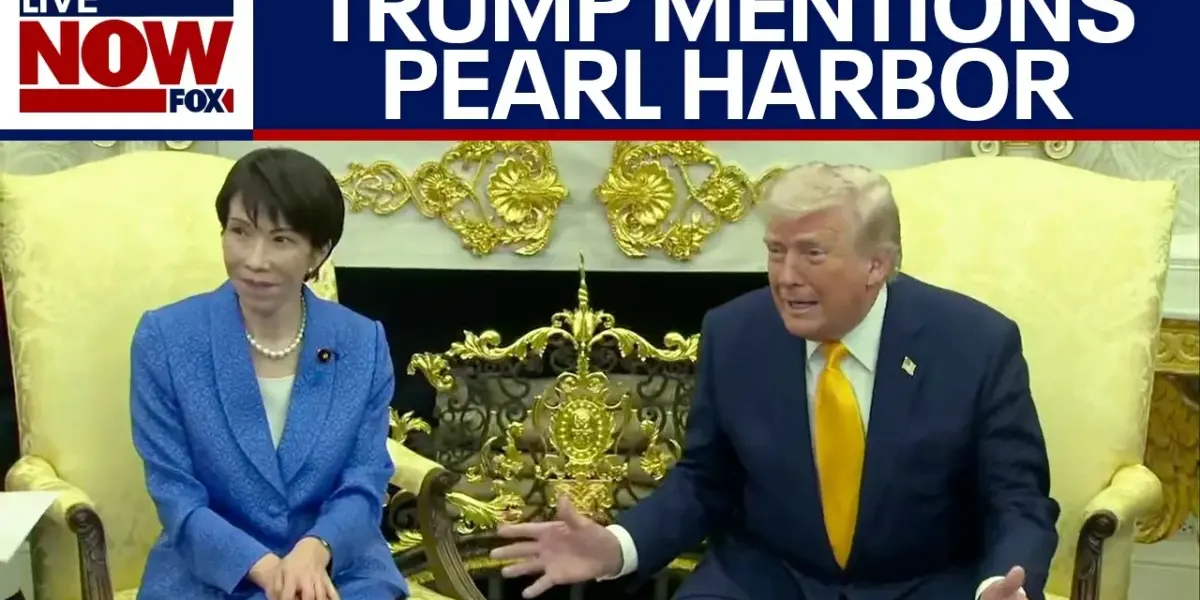
Trump Defends Surprise Attack Strategy, Cites Pearl Harbor
President Donald Trump defended his administration’s use of surprise tactics in military actions, directly referencing Japan’s World War II attack on Pearl Harbor. The comments came during a press conference with Japanese Prime Minister Shinzo Abe, where Trump questioned why allies were not informed about planned strikes on Iran.
Responding to a question from a Japanese reporter about why allies like Japan were not told about the Iran strikes beforehand, Trump stated, “One thing you don’t want to signal too much.” He explained his reasoning by saying, “We went in very hard and we didn’t tell anybody about it because we wanted surprise.” He then turned the question back to the reporter, asking, “Who knows better about surprise than Japan?”
Trump elaborated on the importance of surprise in military operations, saying, “Why didn’t you tell me about Pearl Harbor?” He continued, “He’s asking me, don’t you believe in surprise? I think much more so than us. And, uh, we had to surprise him and we did.” The President claimed that this surprise element allowed them to neutralize a significant portion of the enemy’s capabilities early on. “Because of that surprise, we knocked out the first two days, we probably knocked out 50% of what we and much more than we anticipated doing,” Trump said. He concluded this point by stating, “So if I go and tell everybody about it, there’s no longer a surprise, right?”
Japan’s Concerns: China and Trade
The press conference also addressed Japan’s significant concerns regarding China and the ongoing trade relationship between the two nations. A journalist from Japan’s DJ press asked President Trump about his plans to discuss the relationship between Japan and China during his upcoming visit.
The journalist noted that China’s export controls and harsh criticism were a major worry for Japan. Trump acknowledged that he would be visiting China soon and expressed interest in hearing the Prime Minister’s perspective on the matter. “I think I’d really like to have the prime minister talk about China because I know they have a little bit of an edgy relationship and I’d just like to know where it stands. How are you doing with China?” Trump asked.
Prime Minister Abe responded by emphasizing Japan’s consistent approach to China. “Japan has been consistently open to dialogue with China,” Abe stated. He added that Japan has been addressing its relations with China in a calm manner. Regarding the broader U.S.-China relationship, Abe expressed his hope that it would be conducive to regional security and the global supply chain. “My sincere hope is that the relationship will be something conducive for regional security and also ensuring the global supply chain in the world,” he said.
Upcoming China Visit and Trade Discussions
President Trump also spoke about his upcoming trip, which had been postponed. “The trip has been postponed for about a month and a half. It’s been reset and we look forward to it,” he commented. He mentioned that he would be speaking “Japan’s praises” while in China with President Xi.
The focus of the upcoming talks, both with Japan and later in China, appeared to be heavily centered on trade. Trump indicated that he expected “some good talks today and I think mostly about trade because they want to do a lot of trade.” He specifically highlighted China’s role as a significant purchaser of American energy, particularly oil and gas from Alaska.
“They’re a tremendous purchaser of our energy, our oil, gas from in particular Alaska because Alaska, believe it or not, is very close,” Trump explained. He noted that Alaska’s proximity makes it a convenient source for China’s energy needs, despite its colder climate. “It’s just a short trip,” he added. The President confirmed that trade and energy would be key topics discussed after the press had departed. “We’ll be discussing trade and a lot of the talk will be about energy,” he concluded.
Looking Ahead
The exchange between President Trump and Prime Minister Abe highlights ongoing diplomatic strategies regarding international security and trade. Trump’s willingness to use surprise in military actions, underscored by his provocative reference to Pearl Harbor, raises questions about allied coordination. Meanwhile, Japan’s cautious approach to China and its focus on stable trade relations remain central to its foreign policy. The upcoming U.S. visit to China, with trade and energy as key discussion points, will be closely watched for potential shifts in regional dynamics and global economic ties.
Source: Trump: "Who knows more about surprise than Japan" on Iran strikes (YouTube)

Related Articles
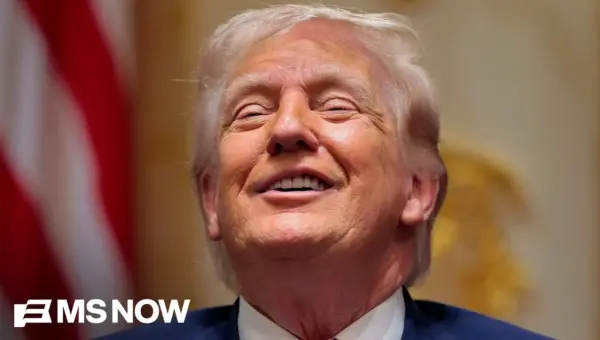
Trump’s Name Everywhere: A ‘Stain’ on GOP Legacy?
Former President Donald Trump's efforts to brand national symbols, including a proposed signature on dollar bills, spark debate. Critics view this as an authoritarian attempt to embed his legacy, potentially staining the Republican Party's history and contrasting with democratic ideals of public ownership.

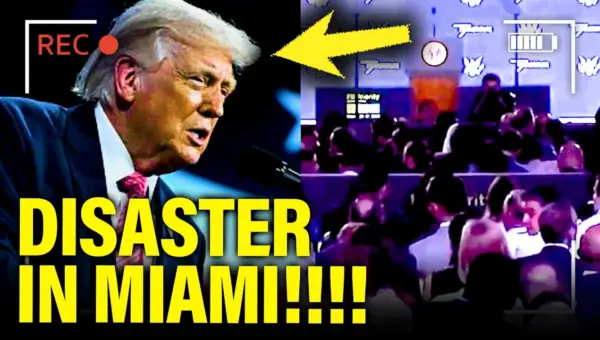
Trump’s War Talk Stuns Financial Crowd
Donald Trump's recent speech in Miami focused on his foreign policy, particularly his critical views on NATO and his vision for international relations. He declared the U.S. would no longer defend NATO allies, questioned the value of existing alliances, and suggested renaming the Strait of Hormuz. The speech also touched on his personal views of success, his allies, and his perceived role as a global peacemaker.
Trump’s Warpath: New Threats Signal Imperial Ambitions
Recent statements from Donald Trump reveal a potential embrace of increased military action and interventionist foreign policy. This approach, characterized by critics as "imperialism 2.0," contrasts with his past promises of peace and has even drawn criticism from parts of his own base. The implications for U.S. global engagement and domestic priorities are significant.