US Faces Draft Debate Amidst Shifting Alliances
A looming debate over military conscription in the US highlights deep generational divides and increasing global isolation. As tensions with Iran rise and traditional allies hesitate, the nation grapples with the justification, cost, and consequences of potential future wars.


US Faces Draft Debate Amidst Shifting Alliances
The idea of a military draft, a concept not seen in the United States since the Vietnam War, is resurfacing. This discussion is fueled by growing tensions with Iran and a noticeable lack of support from traditional allies. The United States finds itself increasingly isolated, leading to questions about who will fight future conflicts and the profound impact on American families.
Generational Divide on War and Duty
A stark generational divide is emerging, particularly within families, over the prospect of war and conscription. Older generations, often aligned with the MAGA movement, express a willingness, even eagerness, to see younger family members serve. They frame military service as a patriotic duty and a necessary sacrifice for national freedom. This perspective often glorifies war and soldiers, viewing them as heroes essential to the nation’s identity.
Conversely, younger generations, having witnessed decades of American foreign policy and its consequences, are deeply skeptical. They see war as a tool for economic gain, particularly concerning oil, rather than a fight for genuine freedom. This group questions the justification for military intervention, especially when traditional allies are unwilling to join. They argue that forcing young people into conflicts they don’t believe in, especially when those young people feel alienated from the country, is fundamentally unjust.
Motivations and Interests of Key Actors
United States: The stated motivation for potential conflict with Iran often centers on preventing the country from acquiring nuclear weapons and countering perceived threats. However, critics argue that economic interests, particularly related to energy resources and global influence, play a significant role. The US also faces a challenge in maintaining its global standing as allies become less willing to commit to military actions.
Iran: Iran’s actions are often framed as a response to perceived aggression and sanctions from the United States and its allies. The country has invested heavily in defensive capabilities, including underground drone facilities, suggesting a strategy of outlasting adversaries rather than engaging in direct, large-scale confrontation. Its focus is on national sovereignty and resisting external pressure.
Traditional Allies: Many of the US’s traditional allies have shown reluctance to join in potential military actions against Iran. This reticence stems from various factors, including differing strategic priorities, concerns about economic repercussions, and a desire to avoid escalating regional instability. Their disengagement highlights a shift in global alliances and a growing desire for independent foreign policy.
The Economic Angle: Sanctions and Global Impact
Economic leverage is a critical component of the geopolitical standoff. The US has employed sanctions against Iran, aiming to cripple its economy and limit its ability to fund military activities or pursue nuclear ambitions. However, these sanctions also have ripple effects on the global economy, potentially disrupting energy markets and trade routes. The Strait of Hormuz, a vital chokepoint for oil transport, remains a significant area of concern. Any disruption here could trigger a global recession, impacting economies far beyond the immediate conflict zone.
Historical Context: Echoes of Vietnam
The comparison to the Vietnam War is particularly potent. Like Vietnam, the current situation involves a potentially protracted and unpopular conflict with questionable justifications and a lack of clear objectives. The glorification of soldiers and war, a point of criticism in the transcript, was also a significant aspect of the Vietnam era. The psychological toll on soldiers, now understood as PTSD, was often dismissed then, leading to lifelong suffering for many who were drafted and forced to fight. This historical parallel raises concerns about repeating past mistakes, particularly regarding the human cost of war.
Future Scenarios and Global Order
Several future scenarios could unfold. One possibility is a continued diplomatic stalemate, with intermittent skirmishes and economic pressure. Another is a full-scale conflict, which, given the current lack of allied support, would likely fall heavily on American shoulders. Such a war could lead to severe economic consequences for the US and the world, potentially accelerating the decline of American global dominance.
The current trajectory suggests a world order in flux. The US’s perceived overextension and the erosion of its alliances point towards a multipolar system. Countries are increasingly focused on their own interests, leading to a more fragmented and less predictable international landscape. The reliance on fear-based rhetoric to justify conflict, as described in the transcript, further destabilizes this environment, making diplomatic solutions harder to achieve.
The Human Cost and Societal Division
Beyond the geopolitical implications, the debate over a draft exposes deep rifts within American society. The idea of sending young people, who may feel disconnected from the nation’s values and struggling with economic insecurity, to fight for causes they don’t understand or support, is a source of immense family tension. This conflict highlights a disconnect between the perceived needs of the state and the lived realities of its citizens, particularly younger generations bearing the brunt of economic hardship while older generations advocate for military engagement.
Global Impact: A World Dragged Down
The transcript argues that America’s current foreign policy path is not only detrimental to its own citizens but also drags down the global community. The economic disruptions, the potential for wider conflict, and the erosion of trust in international institutions affect allies and partners worldwide. The lack of broad international consensus on actions against Iran means that any negative consequences are borne by a global population that did not agree to the conflict. This isolationist tendency, driven by fear and a romanticized view of the past, risks further alienating the US from the international community and undermining its long-term influence.
Source: MAGA Grandpa: "Happy" to Draft Grandson for Iran (YouTube)

Related Articles
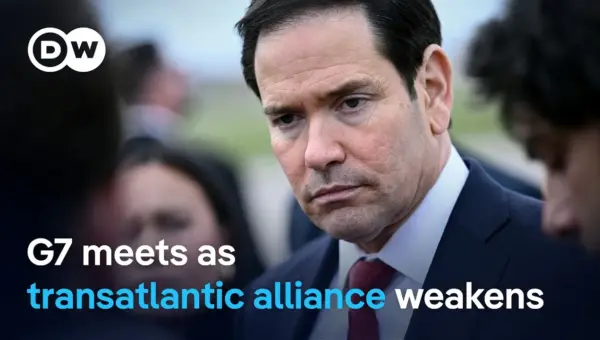
G7 Allies Clash Over Iran War Strategy, Urge Focus on Russia
G7 foreign ministers met in Paris, revealing deep divisions over the U.S. war with Iran. European allies urged the U.S. to pressure Russia, linking its actions to the conflict and fearing support for Ukraine will wane.

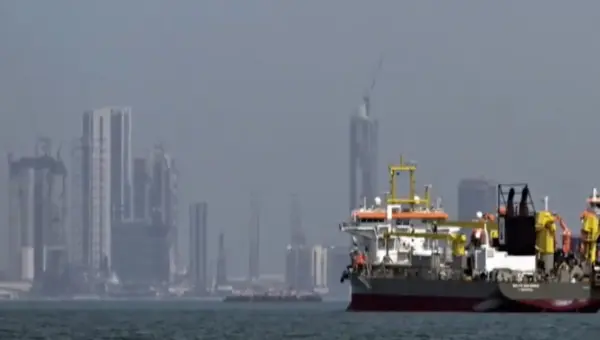
Iran Blocks China Ships, Exposing Beijing’s Weak Grip
Iran's recent decision to block Chinese ships at the Strait of Hormuz is exposing the limits of Beijing's influence in the Middle East. This action is causing delays and cancellations for Chinese manufacturers, turning a perceived geopolitical win into an economic strain.
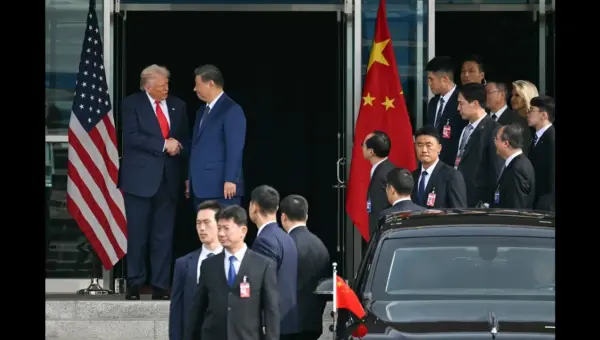
Trump’s “Walk Away” Tactic Signals Tougher Stance on China
Retired Air Force Brigadier General David Stillwell believes President Trump's strategy of being willing to walk away from negotiations puts pressure on China. This tactic, combined with US global actions and strengthened alliances, signals a more assertive American foreign policy.