Trump’s Pearl Harbor Question: A Glimpse into Historical Amnesia
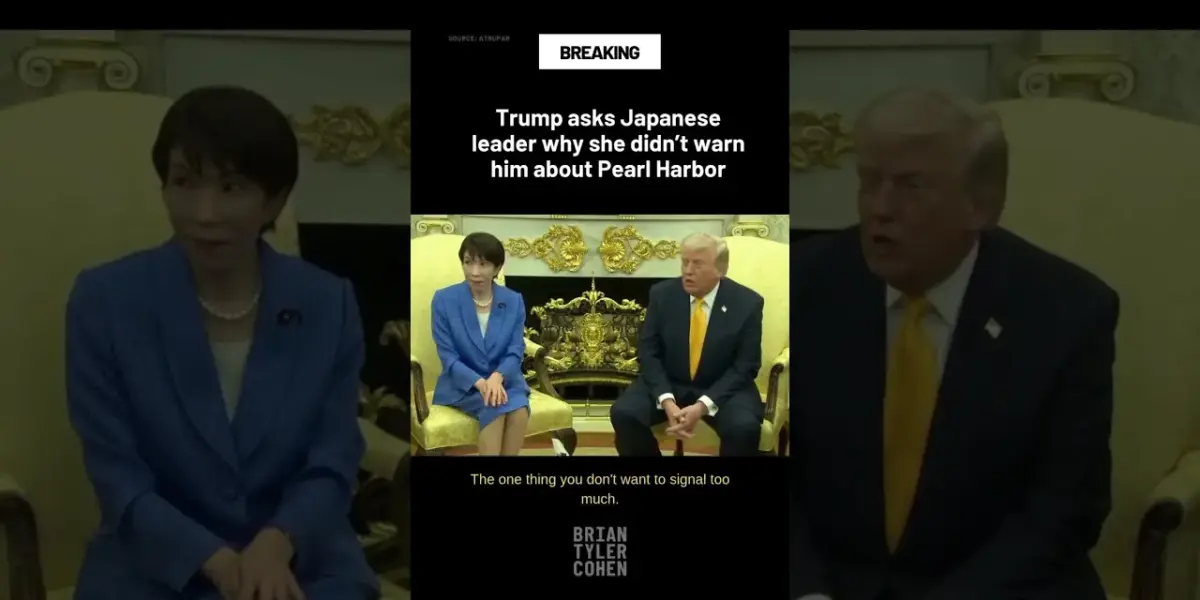
Donald Trump's question about why Japan didn't warn the U.S. about Pearl Harbor reveals a surprising disconnect with historical facts. The attack's success hinged on its surprise element. This incident underscores the importance of historical accuracy in international discourse.

Trump’s Pearl Harbor Question: A Glimpse into Historical Amnesia
During a discussion that touched upon international relations and surprise attacks, former President Donald Trump reportedly asked Japanese Prime Minister Shinzo Abe why Japan hadn’t warned U.S. allies about an attack before it happened. Trump specifically referenced the attack on Pearl Harbor, a pivotal event in World War II, questioning the strategy of surprise. This statement, while perhaps intended to probe strategic thinking, highlights a curious disconnect with historical understanding.
The Pearl Harbor Context
The attack on Pearl Harbor by the Imperial Japanese Navy on December 7, 1941, was a surprise military strike that brought the United States into World War II. Japan’s goal was to cripple the U.S. Pacific Fleet, hoping to gain time to secure resources in Southeast Asia. The attack was a strategic shock, and its success in achieving surprise is a well-known aspect of its history.
Trump’s Question and Its Implications
Trump’s question, as recounted, seems to misunderstand the nature of the Pearl Harbor attack. The very essence of the attack was its element of surprise; Japan did not provide advance warning because that would have defeated its strategic purpose. By asking why Japan didn’t warn the U.S. about Pearl Harbor, Trump appears to be questioning the logic of a surprise attack itself, rather than Japan’s specific actions.
This line of questioning could be interpreted in several ways. It might reflect a genuine, albeit flawed, curiosity about military strategy and historical events. Alternatively, it could be seen as a rhetorical device, emphasizing a point about the value of surprise or the complexities of international alliances. However, the phrasing suggests a potential lack of deep engagement with the historical facts of the event.
Historical Parallels and Strategic Surprise
The concept of strategic surprise has played a significant role throughout history. From ancient battles to modern warfare, attackers have often sought to catch their opponents off guard. The effectiveness of such surprise can be immense, as it often leads to initial disarray and significant losses for the targeted party before they can mount a coordinated defense.
In the context of diplomacy and alliances, the decision to warn or not warn can be complex. Allies often share intelligence, but the timing and nature of such disclosures can be influenced by a variety of factors, including the perceived strategic advantage of maintaining secrecy. Japan’s decision regarding Pearl Harbor was driven by its wartime objectives, not by a desire to uphold alliance norms with its future adversaries.
Why This Matters
Understanding historical events accurately is crucial for informed decision-making, especially in international relations. When leaders reference historical events, their comprehension shapes their perspectives on current challenges and potential solutions. A misunderstanding of a critical event like Pearl Harbor could lead to flawed analogies or misjudgments about the motivations and strategies of other nations.
Furthermore, the way historical events are discussed in public forums can influence public perception and education. If historical narratives are simplified or distorted, it can lead to a broader public unfamiliarity with the complexities of the past. This can, in turn, impact national memory and the lessons drawn from history.
Future Outlook
The incident serves as a reminder of the ongoing importance of historical literacy and critical thinking. In an era where information is abundant but often superficial, the ability to engage with complex events and understand their context is more vital than ever. For leaders and citizens alike, a solid grasp of history provides a necessary foundation for navigating the present and future.
The relationship between the U.S. and Japan, while strong today, has a complex past. Events like Pearl Harbor are significant markers in that history. Approaching these events with accuracy and respect for their historical weight allows for a more mature understanding of bilateral relations and the broader global landscape.
Source: Trump asks Japanese leader why she didn’t warn him about Pearl Harbor (YouTube)

Related Articles

Polls Spell Doom: Republicans Face Voter Backlash
New polling data reveals a sharp decline in public confidence regarding the economic impact of Republican policies, particularly under Donald Trump. A significant majority now feel financially worse off, a trend that is especially pronounced among independent voters. This economic discontent poses a major challenge for the Republican party heading into future elections.

Trump Delays Iran Strike Deadline Amidst Shifting Diplomacy
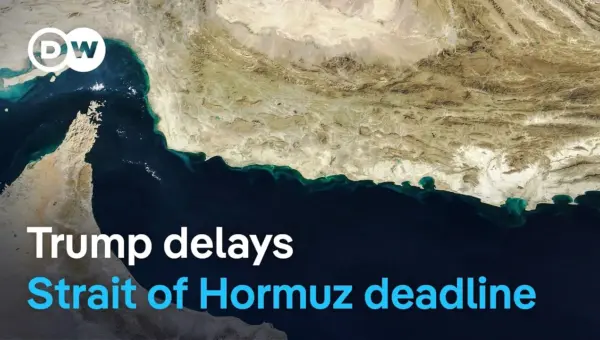
President Donald Trump has extended his deadline for potential strikes on Iranian energy plants to April 6th, amid reports of U.S.-Iran diplomatic talks mediated by Pakistan. This move comes as Israel continues its strikes on Iran and the U.S. deploys additional military assets to the region. Analysts point to mixed signals, economic pressures, and strategic miscalculations as key factors shaping the evolving situation.
Iran War Claims Ring Hollow as US Troops Injured in New Attack
Days after Donald Trump claimed "we've won" the war with Iran, a new attack injured approximately a dozen U.S. troops and damaged aircraft. This incident contradicts Trump's assertions of victory and raises serious questions about the strategy and reality of the ongoing conflict.