DIY Self-Driving Car Beats Tesla for a Fraction of the Cost
An ambitious DIY project equips a used Skoda Superb with a self-driving system for under £1,000, challenging the cost of premium manufacturer upgrades like Tesla's. The results offer a glimpse into accessible autonomous technology.

DIY Self-Driving Car Beats Tesla for a Fraction of the Cost
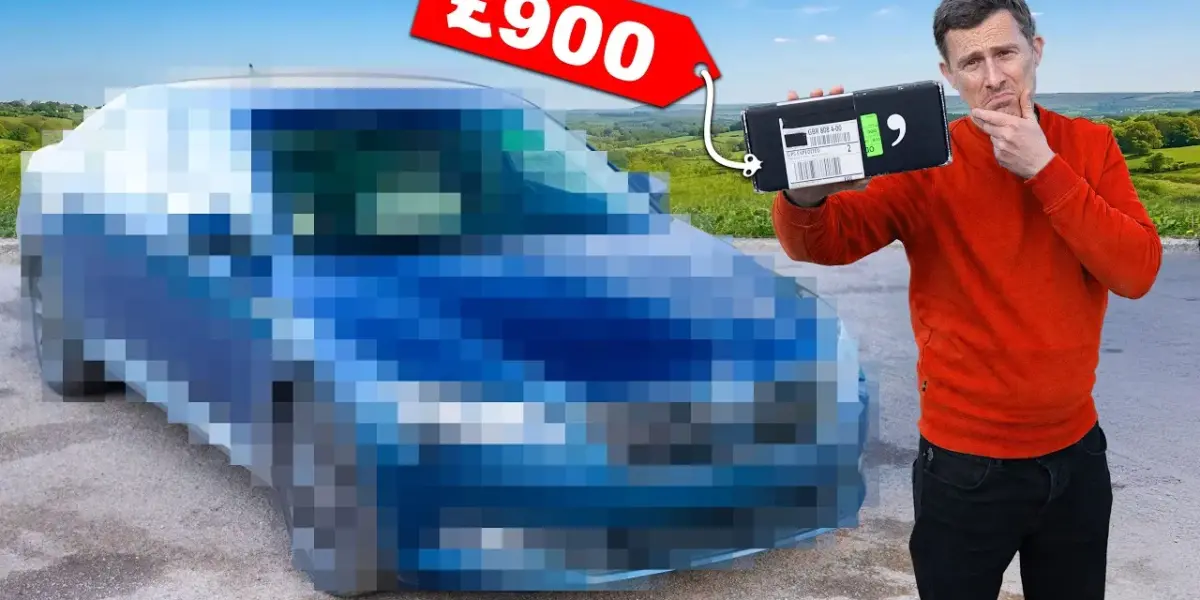
Can you build a self-driving car for less than a Tesla’s software upgrade? One enthusiast says yes, and the results might surprise you. Mat, a car tinkerer, set out to prove that a used car and a surprisingly affordable tech upgrade could challenge the big names in autonomous driving.
The Challenge: Affordability vs. Advanced Tech
Tesla’s ‘Full Self-Driving’ software comes with a hefty price tag, often exceeding £6,800 for a new Model 3. Mat aimed to achieve a similar, albeit DIY, level of autonomy for significantly less. His chosen platform? A 2016 Skoda Superb, purchased for £5,850, combined with a Comma Four system costing just £942. The total investment? A mere £6,792, undercutting Tesla’s upgrade price by a whisker.
Finding the Right Ride
The first step was finding a suitable used car. Using Carwow, Mat and his team searched for a vehicle already equipped with Adaptive Cruise Control, a crucial feature for any semi-autonomous system. They landed on a high-mileage, top-spec 2016 Skoda Superb Lauren & Klement edition. With 165,000 miles on the clock, this Superb offered a blend of comfort and existing driver-assist technology, making it a unique candidate for this ambitious project.
The Upgrade: Comma Four System
The Comma Four system is the heart of this DIY autonomous setup. It’s designed to enhance existing driver-assistance features in compatible vehicles. Installation, however, proved to be more challenging than initially expected. It required careful integration with the car’s existing systems, a task that demanded both technical skill and patience. Unlike the seamless software updates offered by manufacturers, this DIY approach involved hands-on hardware and software work.
Testing the Limits
Once installed, the real test began. Mat and his team put the modified Superb through its paces on a private test track and runway. This controlled environment allowed them to safely push the system’s capabilities. After initial shakedown runs, the car was taken onto public roads to see how the DIY system handled real-world driving conditions. The key questions were: would the Comma Four system function reliably, and could it truly compete with the sophisticated systems found in a Tesla?
Performance and Verdict
While specific performance metrics like 0-60 mph times or exact range figures for the Comma Four system in the Superb were not detailed, the core idea is clear: achieving a significant level of autonomous driving capability at a dramatically lower cost. The Comma Four system aims to provide features like adaptive cruise control and lane keeping, essentially augmenting the car’s existing capabilities. Compared to Tesla’s integrated and highly refined ‘Full Self-Driving’ suite, the DIY approach offers a more raw, hands-on experience. It requires user intervention and understanding of its limitations. However, for enthusiasts looking for an affordable way to explore advanced driver-assistance systems, this £1,000 upgrade presents a compelling alternative. It demonstrates that cutting-edge technology can be made more accessible with a bit of ingenuity and a willingness to get your hands dirty.
Who is This For?
This project targets car enthusiasts and tech-savvy individuals who enjoy modifying their vehicles and experimenting with new technologies. It’s for those who appreciate the engineering behind autonomous driving but find the premium price tags prohibitive. The Skoda Superb, while a comfortable and capable car, isn’t typically seen as a performance vehicle. Its appeal here lies in its affordability and the potential to upgrade its existing driver aids. This DIY setup offers a fascinating glimpse into the future of personal mobility, making advanced features accessible without requiring a brand-new, expensive car.
Value Proposition
The value proposition is undeniable. For under £7,000 total, Mat acquired a car with a significant level of driver assistance technology. This is considerably less than the cost of Tesla’s software alone, let alone a new Tesla vehicle. While it doesn’t offer the same level of polish or comprehensive features as a factory-integrated system, it provides a functional and educational experience. It proves that innovation doesn’t always require the highest price tag, empowering individuals to explore advanced automotive tech on a budget.
Source: I built a self-driving car using 1 CHEAP upgrade (YouTube)

Related Articles

Tesla Cybercab Interior Revealed: Production Ready for April Launch?
Tesla's upcoming Cybercab, nearing production, offers a first look at its spacious interior and comfortable ride. Designed for ride-sharing, it prioritizes passenger comfort and autonomous capability over traditional car features, aiming for cost-effective scaling.

Kia K4’s Autonomy Test: Impressive Features, Stressed Driver
The 2026 Kia K4's advanced driver assistance system, HDA2, was put to the ultimate test on the "Woolly Mammoth Challenge." While free and feature-rich, the system struggled with real-world conditions, leading to a stressful driving experience and a low score.

2026 Toyota Camry: A Hands-Free Hopeful, But Not Quite There
The 2026 Toyota Camry, a hybrid powerhouse, undergoes the demanding Woolly Mammoth Challenge for hands-free driving. While packed with safety features, it falls short of true autonomy, scoring 45 points and highlighting Toyota's conservative yet value-rich approach.