US Officials Divided on Israel’s War Goals in Iran
A recent congressional hearing revealed stark differences between U.S. and Israeli war aims in Iran, particularly regarding energy infrastructure. Intelligence officials confirmed that Israeli objectives, focused on leadership decapitation, diverge from U.S. goals of degrading Iran's military capabilities. The hearings also highlighted the escalating global economic costs and a lack of clarity on future diplomatic strategies.

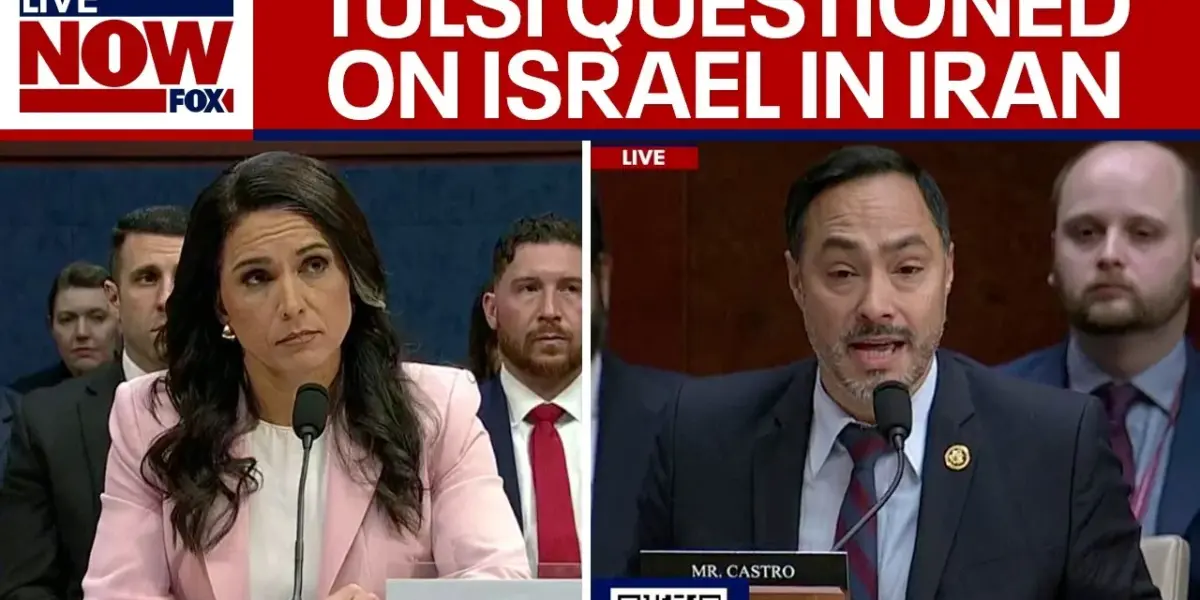
US Officials Divided on Israel’s War Goals in Iran
WASHINGTON D.C. – A tense congressional hearing revealed deep disagreements between the United States and Israel regarding the ongoing conflict with Iran, particularly concerning military objectives and the targeting of Iranian energy infrastructure. The exchange, which took place recently in Washington D.C., highlighted a lack of clarity on the administration’s war aims and raised concerns about escalating global economic impacts.
Discrepancies in Stated Objectives
During the hearing, Representative Joaquin Castro questioned intelligence officials about the goals of Israel’s military actions in Iran. Castro pointed out that Secretary Rubio had suggested Israel would strike Iran regardless, potentially triggering retaliation against U.S. forces. He noted that the President appeared to join the conflict rather than advise Israel to stand down, despite the American public and Congress not knowing the administration’s specific goals.
Castro stated, “The president has said that he wants a deal. He said Iran wants to make a deal and that he’s not ready because, quote, ‘The terms aren’t good enough yet.’ Yet, they just killed Ali Larani, the de facto leader of Iran, who, while not a friend of the United States, would have been the person to negotiate any agreement with.”
Intelligence officials confirmed that the objectives set by the Israeli government differ from those outlined by the U.S. President. While the President’s stated goals focus on destroying Iran’s ballistic missile capabilities, its production capacity, and its navy, Israeli operations have centered on disabling Iranian leadership, including targeting top officials.
Targeting Energy Infrastructure Sparks Concern
A significant point of contention was Israel’s strike on the South Pars gas field, the world’s largest natural gas reserve. This action occurred despite President Trump explicitly stating that the U.S. would not strike Iran’s energy infrastructure, citing the years it would take to rebuild. The strike reportedly triggered Iranian attacks on Qatari gas facilities, leading to a sharp increase in global oil prices.
Castro highlighted the economic consequences, noting, “Oil prices are up 15% in the last 24 hours. In San Antonio, my hometown where I represent, the cost of gas has gone up nearly 40% in three weeks.”
Further complicating the situation, the President reportedly stated that the U.S. had no prior knowledge of the attack and called on Israel to cease similar strikes on energy facilities. However, Israel denied this, asserting the attack had been cleared by the United States. This contradiction left officials unable to provide clear answers regarding Israel’s motivations or its alignment with U.S. policy.
Unanswered Questions on Israeli Intentions
When pressed on why Israel chose to strike Iranian energy infrastructure despite the President’s directive, intelligence officials stated they could not provide an answer. One official remarked, “I wouldn’t speak for Israel.” Another indicated that they were not privy to Israel’s decision-making process, stating, “We are not involved with the operational element of this.”
Castro also inquired whether Israel supported the President’s call for a deal with Iran. The response was, “I don’t know the answer to that. I don’t know Israel’s position on that.” This lack of clarity underscored the widening gap in strategic interests and communication between the two allies.
Broader Implications and Future Outlook
The hearing underscored the profound challenges facing U.S. foreign policy in the Middle East. The divergent goals between the U.S. and Israel, coupled with the economic fallout from the conflict, raise serious questions about the effectiveness of current strategies. The death of Ali Larani, a key figure for potential negotiations, further complicates the path toward de-escalation and a diplomatic solution.
Moving forward, Congress and the public will likely demand greater transparency regarding the administration’s objectives in the region and the extent of U.S. involvement in Israeli military operations. The economic stability of global energy markets remains a critical concern, with potential for further volatility if the conflict escalates or if key energy infrastructure continues to be targeted.
Source: Castro grills Gabbard over Israel strikes in Iran (YouTube)

Related Articles


Americans Rally for Democracy Amidst War and Economic Woes
Thousands of Americans are participating in "No Kings" rallies nationwide, demanding accountability from leaders and drawing parallels to historical movements that spurred significant change. The protests occur amidst a controversial war with Iran, economic uncertainty, and a partial government shutdown. Organizers emphasize solidarity, joy, and the power of collective action in defending democracy.
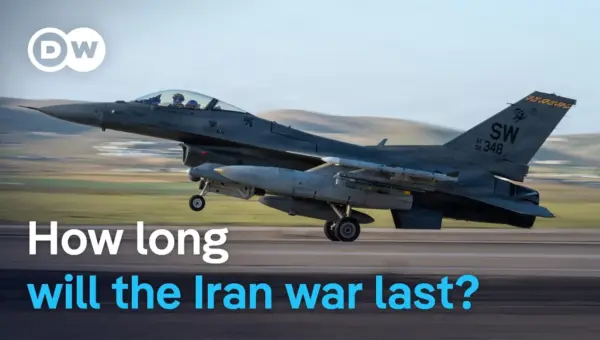
US Official Claims Iran War Could End Soon; Expert Skeptical
Despite US envoy Steve Woff's optimism about imminent talks and a swift end to the conflict with Iran, expert Aaron David Miller expresses significant doubt. Miller argues that a lack of shared urgency and fundamental miscalculations by the US administration make a quick resolution unlikely.

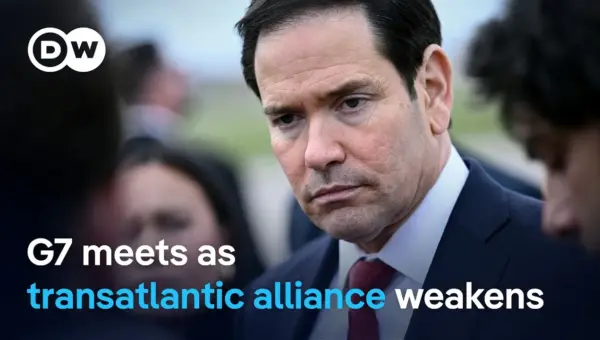
G7 Allies Clash Over Iran War Strategy, Urge Focus on Russia
G7 foreign ministers met in Paris, revealing deep divisions over the U.S. war with Iran. European allies urged the U.S. to pressure Russia, linking its actions to the conflict and fearing support for Ukraine will wane.