Iran Conflict: Trump’s Sanctions Reversal Fuels Global Oil Crisis
President Trump's decision to lift sanctions on Iranian oil amidst soaring prices has ignited global energy market concerns. Retaliatory strikes have crippled LNG capacity, while the Pentagon seeks massive funding. This analysis explores the complex geopolitical and economic fallout.

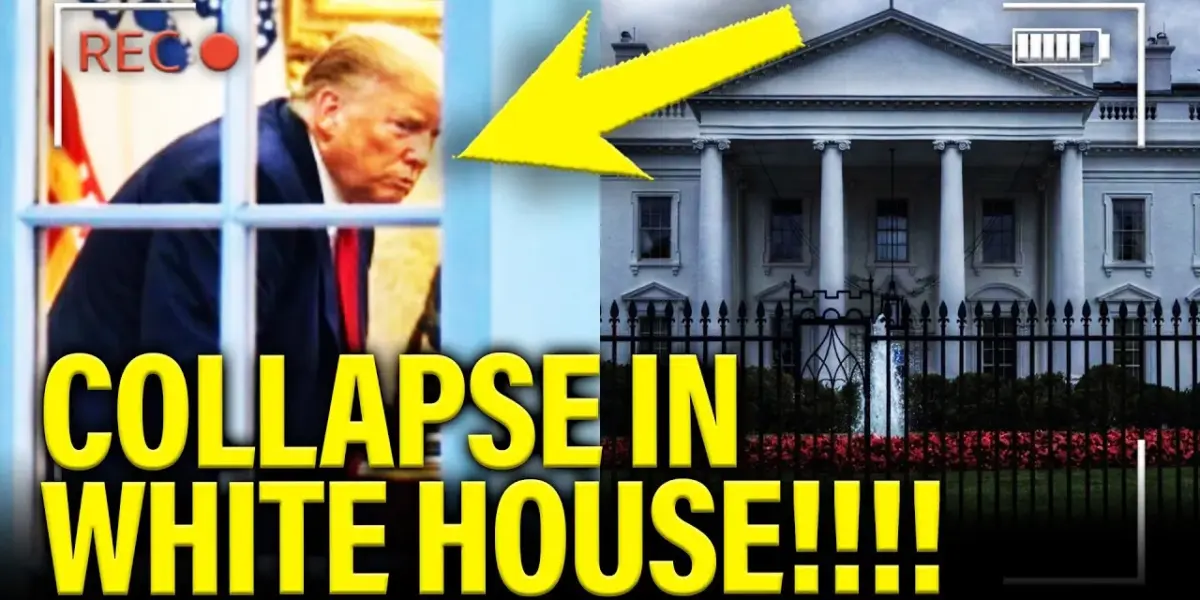
Iran Conflict: Trump’s Sanctions Reversal Fuels Global Oil Crisis
The ongoing conflict in the Middle East has taken a dramatic turn, with reports suggesting President Donald Trump is reversing course on sanctions against Iran. This move comes as oil prices surge, creating a ripple effect across global energy markets and impacting everyday consumers.
Sanctions Lifted Amidst Rising Oil Prices
In a surprising development, President Trump has announced the removal of sanctions on Iranian oil. This decision coincides with oil prices reaching $120 per barrel, a significant increase that is putting a strain on economies worldwide. The lifting of sanctions effectively rewards Iran, even as tensions in the region escalate.
Pentagon Seeks Massive Funding Increase
The financial implications of this conflict are stark. The Pentagon is requesting over $200 billion in a defense supplemental, citing depleted munitions and weapons stockpiles. This request, highlighted by Secretary Pete Hegseth as necessary to “kill the bad guys,” stands in sharp contrast to previous debates about healthcare spending. For instance, a mere $30 billion for healthcare premiums reportedly led to a doubling of costs for 20 million people, underscoring a perceived shift in national priorities.
Retaliatory Strikes Disrupt Global Energy Supply
The conflict has directly impacted crucial energy infrastructure. Following U.S. and Israeli strikes on Iran’s South Pars facility, Iran retaliated by targeting liquefied natural gas (LNG) facilities in Qatar. The attack on the Ras Laffan industrial city facility in Qatar has significantly impacted its LNG export capacity. According to Qatar Energy CEO Saied Kaabi, the damage will take two to three years to repair, wiping out an estimated 3-5% of global LNG capacity in just 24 hours.
Government Justification and Public Concern
Secretary Hegseth defended the substantial defense funding request, stating, “It takes money to kill bad guys.” He emphasized the need for Congress to ensure adequate funding for current and future operations, including replenishing ammunition supplies. He also noted that President Trump had rebuilt the military during his first term, suggesting its current readiness was a result of those past efforts.
Contradictory Policies and Market Reactions
Treasury Secretary Scott Bessant’s announcement regarding the removal of oil sanctions from Iran, following a similar move with Russian oil, has raised questions. Despite these actions, oil prices have not decreased, suggesting a market reaction of panic rather than relief. The influx of previously sanctioned Iranian oil, estimated at around 140 million barrels, is intended to stabilize prices for a short period, but the long-term effects remain uncertain.
Iran’s Strategic Maneuvers
Meanwhile, Iran appears unfazed by the escalating tensions. The country has established an “approved shipping corridor” through the Strait of Hormuz, allowing select vessels passage through its territorial waters for a fee. This move generates revenue for Iran and further solidifies its control over a vital global shipping route.
President Trump’s Public Statements and Priorities
During this critical period, President Trump’s public communications have drawn criticism. His social media posts have focused on unrelated topics, such as the resale of his branded sneakers for $180,000 in Riyadh and criticism of wind turbines. Critics argue these posts demonstrate a detachment from the gravity of the international crisis and its impact on global stability and economic well-being.
Economic Fallout and Supply Chain Disruptions
The conflict’s economic consequences are far-reaching. The disruption in the Strait of Hormuz could lead to airline cancellations and jet fuel rationing, particularly affecting long-haul flights. Beyond oil and gas, critical supply chains for products like fertilizer and helium, often sourced from the Middle East, are at risk of severe disruption. This could lead to widespread shortages and price increases for essential goods.
Geopolitical Tensions and Diplomatic Challenges
The situation is further complicated by conflicting narratives from U.S. officials and international observers. While some officials assert Iran lacks significant ballistic missile capabilities, evidence suggests otherwise, with reports of drone and missile strikes on neighboring countries. General Michael Kaine confirmed Iran’s continued possession of ballistic missile capabilities, emphasizing ongoing efforts to counter them.
Media Portrayal and Public Discourse
The role of the media in shaping public perception is also a point of contention. Secretary Hegseth criticized what he termed the “Trump deranged syndrome media,” accusing them of downplaying progress and amplifying costs. He contrasted this with his direct address to the “good, decent, patriotic American people,” framing the administration’s actions positively. However, critics argue that the focus on military spending and the handling of the Iran conflict are detrimental to domestic well-being and economic stability.
Historical Context and Future Outlook
The current events echo past geopolitical struggles, highlighting the complex interplay of international relations, energy security, and economic policy. The increasing national debt, which has reportedly surged to $39 trillion, adds another layer of concern. As the situation evolves, the long-term consequences for global energy markets, supply chains, and international stability remain a critical focus.
Why This Matters
This situation is crucial because it directly impacts the global economy and the daily lives of people everywhere. The decisions made regarding sanctions, military spending, and international conflict have tangible effects on the price of gas, the availability of essential goods, and the stability of nations. Understanding these complex dynamics is vital for informed citizenship and for holding leaders accountable for their actions on the world stage.
Implications, Trends, and Future Outlook
The trend of escalating regional conflicts and their global economic repercussions is likely to continue. The reliance on fossil fuels, coupled with geopolitical instability, creates a volatile environment for energy prices. Future outlooks suggest a continued need for diplomatic solutions, a diversification of energy sources, and a careful consideration of the economic consequences of foreign policy decisions. The potential for further supply chain disruptions and increased costs for consumers remains a significant concern.
Historical Context and Background
The current tensions in the Middle East have deep historical roots, involving complex relationships between nations, historical grievances, and competition for regional influence. U.S. foreign policy in the region has evolved significantly over decades, with varying approaches to sanctions, military intervention, and diplomatic engagement. Understanding this historical backdrop is essential for comprehending the present challenges and potential future pathways.
Source: Trump CRACKS in WH and LOSES CONTROL of WAR!! (YouTube)

Related Articles

Stocks Ignore War Risks, Focus on “Taco Moments”
Stock markets appear to be overlooking the severe supply chain risks stemming from the Iran conflict, focusing instead on potential diplomatic de-escalations. While the S&P 500 shows resilience, bond and commodity markets signal deep concern over disruptions to critical resources like LNG, helium, and fertilizers.

U.S. Iran Tensions Rise Amid Shifting Alliances
Rising tensions between the U.S. and Iran are creating a volatile geopolitical situation. With conflicting signals on de-escalation and potential shifts in alliances like NATO and U.S.-Israel relations, the path forward remains uncertain. The global economy and regional stability hang in the balance.


Iran Targets US With Cyberattacks, Escalating Digital Warfare
Iran is increasingly using cyberattacks to challenge the U.S., as seen in a recent hack of the FBI director's account. Experts say this is a strategic shift due to Iran's limitations in conventional warfare. The U.S. needs to strengthen its digital defenses, focusing on encryption and cloud computing, rather than solely relying on traditional security measures.