MAGA’s Cool Factor Fades: Young Voters Find Movement Cringe
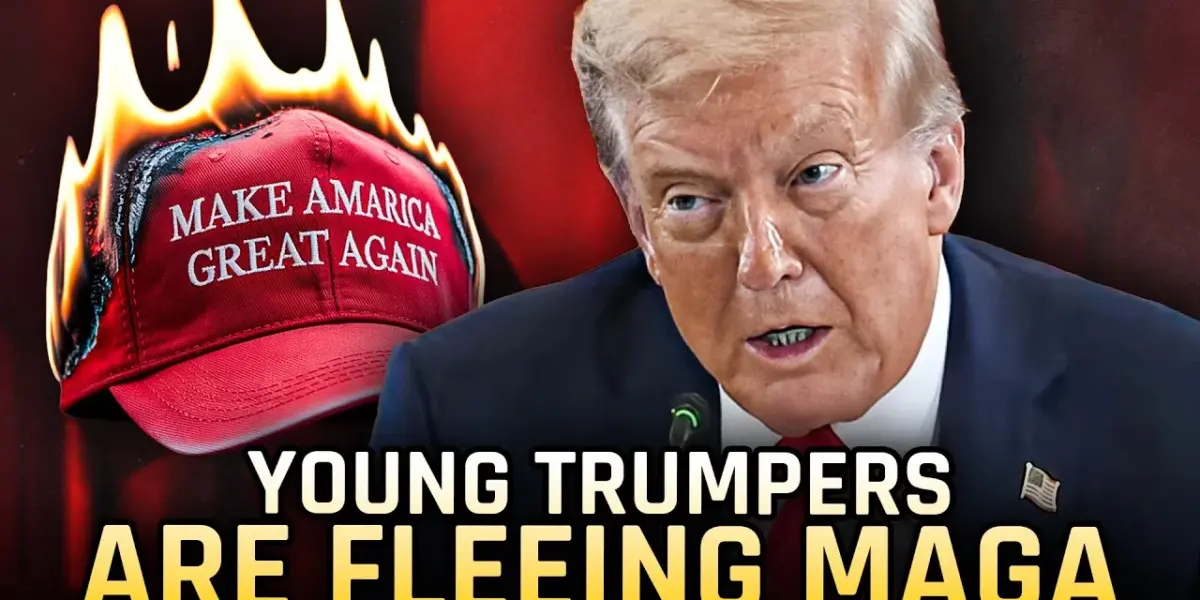
Young MAGA voters, aged 35 and under, are reportedly abandoning the movement, finding it has become "cringe." What was once seen as authentic counterculture is now viewed as trying too hard. This shift is linked to perceived inauthenticity and a desire for establishment acceptance, with some supporters hiding their true feelings due to fear of retaliation.

MAGA’s Cool Factor Fades: Young Voters Find Movement Cringe
The MAGA movement, once seen as a rebellious counterculture by some younger voters, is now being described as “cringe.” A recent report highlights a noticeable shift in attitude among voters aged 35 and younger. What was once viewed as authentic and anti-establishment is now seen as trying too hard, losing its appeal.
From Counterculture to Cringe
Back in 2024, supporting the MAGA movement felt different for many young people. It was seen as a stand against political correctness and a bold statement against mainstream culture. Some even compared it to the rebellious spirit of punk rock in the 1970s, though with a very different message. This perception of being an outsider, of challenging the status quo, was a significant part of its draw.
However, the article points to a significant “vibe shift.” The energy and appeal that once attracted younger supporters seem to have dissipated. As one 32-year-old commentator and comedian noted, “We were cool for two and a half minutes. That time has passed.” Another supporter felt the movement had “stopped listening to those people,” implying a loss of touch with its original base.
Signs of the Shift
Several examples are cited to illustrate why this younger demographic is moving away from MAGA. The Washington Post article points to actions and public appearances that seem to contradict the anti-establishment image. This includes:
- FBI Director Christopher Wray, often associated with the Trump administration, facing criticism for alleged mismanagement of resources and investigations.
- Former Attorney General Pam Bondi’s involvement with what were presented as groundbreaking Epstein files, which turned out to be already public.
- Trump administration officials appearing in high-profile magazines like Vanity Fair, seemingly at odds with an outsider image.
- White House communications using pop culture clips from shows like SpongeBob SquarePants and video games like Call of Duty to promote policy, which some found out of touch.
These instances suggest a disconnect between the desired image of an anti-establishment movement and the reality of its actions. The effort to appear cool and relevant seems to be backfiring, making the movement appear less authentic and more desperate.
The Desire to Belong
The analysis suggests that the core issue might be a fundamental misunderstanding of what the movement represented to its supporters. While some young voters embraced MAGA as a symbol of rebellion, the article argues that many within the movement actually desired to be part of the establishment. They wanted to be invited to the parties, not crash them. This desire to belong, to be accepted, clashed with the image of being an outsider.
The piece suggests that those who felt like outsiders were drawn to the movement, believing they would find acceptance. However, the movement’s leaders and prominent figures seemed more interested in fitting into existing power structures. This created a situation where everyone was trying to fit in, and ultimately, many still felt left out.
Preference Falsification and the Fear of Retaliation
The Washington Post also raises a significant point about the internal dynamics of the MAGA movement: preference falsification. This is a psychological term for when people hide their true beliefs because they fear negative consequences. Many Trump supporters may privately feel the movement has become “cringe” or unappealing.
Many Trump supporters privately recognize the movement has become cringe but won’t say so publicly, fearing retaliation from the MAGA faithful. One prominent figure calls this phenomenon preference falsification, the psychological phenomenon where people hide their true beliefs out of fear.
This fear prevents them from expressing their doubts, even to the few friends they might have made within the movement. The desire for social connection, even within a political group, leads them to maintain a facade of support. This dynamic can create an echo chamber where dissenting opinions are suppressed, and the perceived popularity of the movement is artificially inflated.
Why This Matters
The shift among young MAGA voters is significant because it points to a potential weakening of the movement’s core appeal. If the younger generation, often seen as the future of any political force, is finding it “cringe,” it raises questions about long-term sustainability. It suggests that the initial energy and cultural relevance that fueled MAGA may be fading.
This also highlights a broader trend in political movements: the tension between authentic grassroots support and the desire for mainstream acceptance. When a movement becomes too focused on appealing to the establishment or adopting strategies that feel inauthentic, it risks alienating the very people who gave it its initial power. The perceived “coolness” factor is fleeting, and movements built on it may struggle to endure.
Implications and Future Outlook
The decline in appeal among younger voters could have several implications. It might lead to a fragmentation of the MAGA coalition, with different factions emerging based on evolving ideologies or a search for new cultural relevance. For political strategists, understanding this “cringe” factor is crucial. It suggests that authenticity and genuine connection are more important than ever, especially when trying to engage younger demographics.
The future outlook for MAGA may depend on its ability to adapt without losing its core identity or alienating new potential supporters. If the movement cannot recapture the sense of countercultural appeal it once had, it may struggle to maintain momentum. The suggestion that many supporters are experiencing “preference falsification” also points to a potential for future shifts if the perceived risks of dissent decrease.
Historical Context
Throughout history, political and social movements have ebbed and flowed in their cultural relevance. The 1960s counterculture, for example, had a profound impact but eventually evolved and dissipated as its core members aged and its ideals were either absorbed by the mainstream or replaced by new movements. Similarly, the punk rock scene, while influential, was always a niche movement that faced challenges in maintaining its anti-establishment stance as it gained wider recognition.
The MAGA movement’s journey from what some perceived as a rebellious force to something now deemed “cringe” by a segment of its young supporters mirrors these historical patterns. The initial shock value and the appeal of being on the outside looking in can only last so long. As the movement matures and its figures become more integrated into the political establishment, the “outsider” status that attracted some begins to erode.
A Call for Reflection
The analysis concludes with a strong suggestion for individuals involved in the movement: consider seeking therapy. This is not presented as an insult, but as a genuine belief that many issues faced by supporters could be addressed through professional help. The idea is that a political movement, especially one that fosters strong in-group loyalty and potential alienation from the broader society, can sometimes become a substitute for personal fulfillment or a healthy way of processing grievances.
The argument is that if more people worked through their personal issues with professional guidance, the underlying needs and frustrations that draw people to movements like MAGA might be met in healthier ways. This could, in turn, reduce the appeal of such movements and foster a more constructive public discourse. It’s a call to look inward, suggesting that personal well-being could be a key factor in the broader political landscape.
Source: Young MAGA Voters Abandon Trump (YouTube)

Related Articles

MAGA Voters Divided Over Potential Iran War
The potential for a US war with Iran has sparked debate at CPAC, revealing a divided MAGA base. While some support military action, many express concerns over prolonged conflicts and rising economic costs, particularly higher gas prices.

Comedian’s Viral Skit Sparks Outrage, Exposes Political Hypocrisy
A viral comedy skit by Druski targeting Candace Owens has sparked intense backlash from MAGA supporters. Critics argue this outrage exposes a significant hypocrisy, contrasting it with the silence surrounding past offensive statements and actions by prominent Republican figures like Donald Trump. The incident highlights selective outrage and the complex role of satire in political discourse.

MAGA Faces Crisis: Internal Strife and Public Doubt Emerge
The MAGA movement is reportedly facing internal divisions and growing public doubt. Key issues like the Iran conflict and economic concerns are creating rifts within the base, while criticism questions the movement's appeal and direction. These factors suggest a potential fracturing of the once-unified political force.