Iran Missiles Strike Qatar; US Focuses on Defense
Iran launched ballistic missiles and drones at Qatar and Kuwait's energy facilities, causing oil prices to spike. The U.S. is increasing defenses against missile threats, and the 31st MEU is deploying to secure the Strait of Hormuz.


Iran Missiles Strike Qatar; US Focuses on Defense
In a significant escalation, Iran launched ballistic missiles and drones targeting energy infrastructure in Qatar and Kuwait. The attacks, which occurred yesterday, struck Qatar’s Ross Leafon liquefied natural gas (LNG) hub and Kuwaiti refineries. Fires broke out at the targeted sites, sending shockwaves through global energy markets. Brent crude oil prices quickly spiked to around $116 per barrel following the news.
These strikes appear to be Iran’s response to a recent Israeli attack on a key gas facility within Iran. The Iranian operation involved an estimated 5 to 10 ballistic missiles. However, U.S. and allied defenses successfully intercepted approximately 90% of these projectiles. Despite the high interception rate, the potential for even a single successful strike on critical energy infrastructure highlights the ongoing risks in the region.
The United States has now shifted its focus to bolstering defenses against ballistic missile threats targeting energy assets. This intensified defensive posture aims to protect vital global supply lines. The U.S. military is actively working to intercept any projectiles that could threaten these sensitive locations.
U.S. Marine Unit Deploys to Secure Key Waterway
Adding to the regional military presence, the 31st Marine Expeditionary Unit (MEU) is en route to the theater. This deployment is intended to bolster security efforts, particularly around the critical Strait of Hormuz. The Strait of Hormuz is a vital chokepoint for global oil and gas shipments, making its security paramount for international trade.
Strategic Implications
The attacks and the subsequent U.S. response underscore the volatile nature of the current geopolitical climate. Iran’s willingness to strike major energy hubs, even with significant defensive countermeasures in place, signals a readiness to inflict economic damage. This strategy aims to deter adversaries by threatening global energy supplies, which are crucial for the world economy. The successful interception of most missiles demonstrates the effectiveness of current air and missile defense systems.
However, the incident also exposes vulnerabilities. The mere threat of such attacks can cause market instability, as seen with the immediate price surge. Protecting energy infrastructure requires constant vigilance and significant military resources. The deployment of the 31st MEU to the Strait of Hormuz is a proactive measure to ensure freedom of navigation and prevent any disruption to oil and LNG flows. This move reinforces the U.S. commitment to regional stability and the unimpeded movement of commerce through this critical waterway.
Historical Context
Past conflicts in the region have shown the significant impact that attacks on energy infrastructure can have. The Iran-Iraq War, for instance, saw both sides target oil facilities and shipping lanes to cripple the enemy’s economy. This historical precedent illustrates how controlling or disrupting energy flows has long been a strategic objective in Middle Eastern conflicts. The current situation echoes these past events, with nations using energy as a tool of statecraft and a potential weapon.
The use of ballistic missiles and drones against energy targets represents a modern evolution of these tactics. Ballistic missiles are fast-moving projectiles that are difficult to intercept, while drones offer a more flexible and potentially lower-cost option for attacks. The combined use of these weapons systems presents a complex challenge for defense planners. The success of the 90% interception rate suggests advanced early warning and defense capabilities are in place, but the persistent threat remains.
Geopolitical Impact
The attacks have heightened tensions across the Middle East and could draw other regional and international powers further into the conflict. The reliance of many nations on Middle Eastern oil and gas means that instability here has global repercussions. The U.S. military’s active role in defending energy assets and securing shipping lanes demonstrates its continued strategic interest in maintaining global energy security. This situation tests diplomatic channels and military readiness simultaneously, requiring careful management to prevent wider escalation.
The actions taken by Iran, the response from the U.S., and the ongoing presence of military assets like the 31st MEU highlight the complex web of security concerns. The focus on protecting energy infrastructure is not just about preventing physical damage; it’s about maintaining economic stability worldwide. The coming days will be critical in observing how diplomatic efforts and military posturing evolve in response to these aggressive actions.
Source: Iran Hits Qatar Energy Site Then U.S. Military UNLEASHED HELL (YouTube)

Related Articles
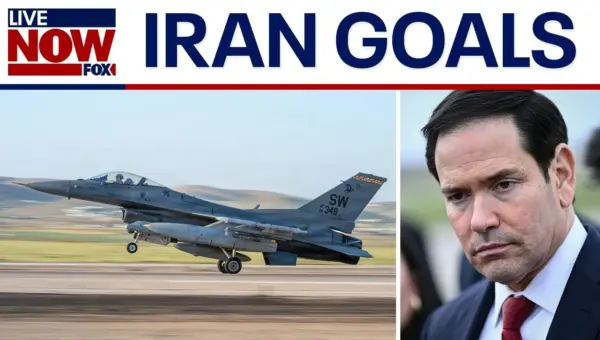
Rubio: US Can Achieve Iran War Goals Without Troops
Senator Marco Rubio outlined a strategy to counter Iran without deploying U.S. ground troops, focusing on weakening the regime and enhancing maritime security. He also criticized Cuba's economic system and expressed concerns about West Bank violence.


Israel Escalates Iran Strikes, Warns of Wider War
Israel has launched significant strikes inside Iran following continued missile fire, warning of further escalation. The conflict risks wider regional instability and economic disruption, especially concerning the Strait of Hormuz.
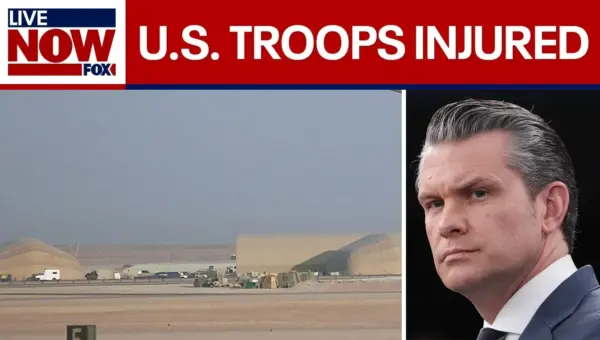
US Troops Wounded in Saudi Base Attack by Iran
An Iranian missile attack on Prince Sultan Air Base in Saudi Arabia wounded multiple U.S. service members and damaged aircraft. The incident highlights the ongoing risks in the Middle East and the limitations of air defense systems. Analysts discuss the strategic implications, economic pressures, and the isolation of Iran amidst the conflict.