Oil Prices Surge on Iran Strikes; US Considers Unsanctioning Oil
Oil prices surged following reported strikes in the Middle East, prompting the U.S. to consider unsanctioning Iranian oil and releasing more from its Strategic Petroleum Reserve. The White House is engaging with industry leaders to stabilize markets and promote energy abundance.

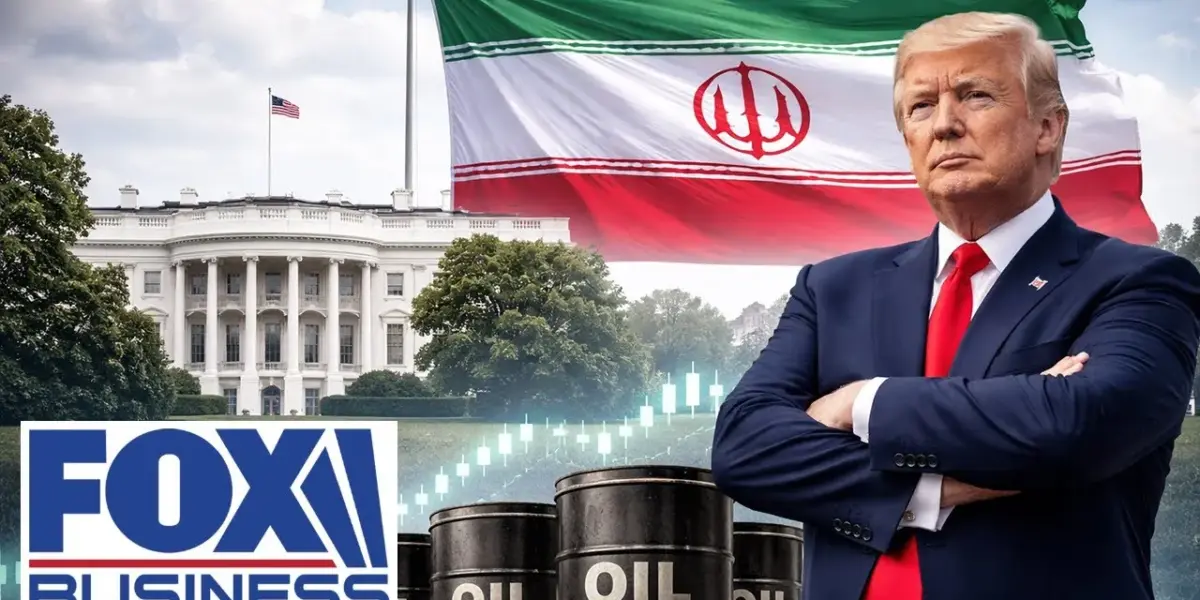
Oil Prices Surge on Iran Strikes; US Considers Unsanctioning Oil
Global oil markets experienced significant volatility this morning as targeted strikes in the Middle East sent prices sharply higher. Brent crude futures jumped 5.6% to over $113 a barrel, while WTI crude also saw a sharp rise, trading near $96.71. These price movements follow reports of Israeli strikes hitting Iran’s South Pars gas field, which in turn led to Iran reportedly striking Qatar’s liquefied natural gas (LNG) facility.
White House Weighs Options to Stabilize Markets
In response to the escalating tensions and rising energy costs, the White House is considering several measures. Treasury Secretary Scott Bessent indicated that the U.S. might consider unsanctioning Iranian oil currently on the water. This would allow these barrels to be bought and sold on the open market. Additionally, Bessent suggested the possibility of another release from the Strategic Petroleum Reserve (SPR) to help prevent prices from spiraling further upwards.
Top executives are scheduled to meet at the White House with Vice President Jayed Enlarge to discuss the situation. This meeting underscores the administration’s focus on energy pricing and security. The discussions are expected to cover both immediate actions to stabilize markets and long-term strategies for energy abundance.
Focus on Energy Abundance and Security
The Trump administration’s energy policy is centered on achieving energy abundance and dominance. This strategy involves a multi-pronged approach. It includes coordinating temporary actions, such as releases from the SPR, and fostering long-term foundations for prosperity and security. Recent actions, like the largest lease sale ever in Alaska National Petroleum Reserve, are aimed at increasing domestic production.
The Jones Act labor agreement, which recently occurred, is also expected to help lower transportation costs. This helps make energy more affordable for Americans, particularly when moving supplies from the Gulf Coast to the East Coast. These efforts aim to reduce U.S. dependence on foreign energy sources and bolster domestic supply.
Unsanctioning Iranian Oil: A Potential Market Mover
The potential unsanctioning of Iranian oil carries significant implications. Secretary Bessent stated that there are approximately 140 million barrels of Iranian oil currently on the water. Unsanctioning these barrels could introduce substantial supply into the global market. This could potentially lower prices, especially if these barrels can be acquired at market rates rather than directly benefiting Iran.
This move is seen as a way to put more molecules on the market, easing pressure on global supplies. It also offers an opportunity for countries like India to potentially purchase oil at more favorable prices, diverting from markets that might otherwise be influenced by Russia or Iran.
Strategic Petroleum Reserve Releases
Releases from the Strategic Petroleum Reserve have been a key tool in managing oil prices. While temporary, these releases add immediate supply to the market. Additional SPR releases can help alleviate price pressures and ensure market stability during times of geopolitical uncertainty. These actions, combined with efforts to boost domestic production, are part of a broader strategy to ensure energy security.
International Energy Partnerships
The U.S. is also strengthening its energy partnerships globally. Following the first Indo-Pacific Energy Security Conference, hosted by the U.S. with Japan, significant deals were finalized. Representatives from 17 countries attended, expressing strong demand for U.S. energy. Over $57 billion in deals were concluded across critical minerals, nuclear energy, oil, and gas.
Japan, a country heavily reliant on imported oil and gas, is particularly interested in increased U.S. production, especially from Alaska. With over 90% of Japan’s energy passing through the Strait of Hormuz, securing stable supply chains is a top priority. Upcoming meetings between the Japanese Prime Minister and President Trump are expected to further solidify these energy trade relations.
Long-Term Vision for Energy Dominance
The administration’s long-term vision emphasizes increasing supply and enhancing energy security. This contrasts with policies aimed at restricting supply. By focusing on domestic production, strategic partnerships, and market stabilization measures, the U.S. aims to position itself as a dominant global energy provider. The goal is to ensure affordable energy for Americans and foster economic growth through energy independence.
Market Impact and Investor Considerations
The immediate market reaction to the strikes and potential U.S. policy shifts is significant. Higher oil prices can impact transportation costs, consumer spending, and inflation. Investors will be closely watching the effectiveness of the proposed U.S. measures in stabilizing prices and de-escalating geopolitical tensions.
The potential unsanctioning of Iranian oil and further SPR releases could provide short-term relief to the market. However, the long-term impact will depend on geopolitical developments and the sustained growth of global energy supply. Companies involved in oil and gas production, refining, and energy infrastructure may see fluctuations in their stock performance based on these evolving market dynamics.
Source: WHITE HOUSE SCRAMBLE: Oil markets ERUPT after Iran STRIKES major LNG hub (YouTube)

Related Articles


Iran Hackers Target Kash Patel’s Emails, Raise Security Concerns
Iran-linked hackers have claimed to breach FBI Director Kash Patel's personal emails, releasing photos and documents. Experts warn of Iran's sophisticated cyber capabilities and potential national security risks. The incident occurs amid heightened U.S.-Iran tensions and debates over military strategy.
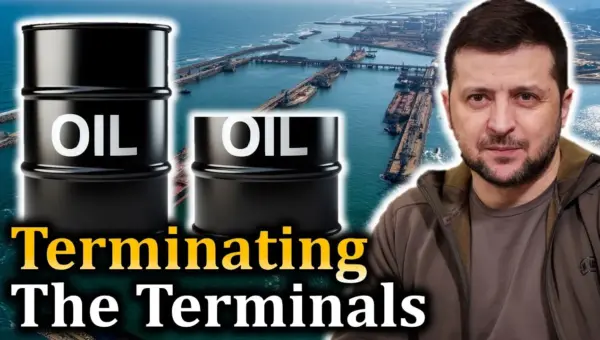
Ukraine Hits Oil Terminals, Halting 40% of Exports
Ukraine has successfully targeted Russia's oil export terminals, disabling 40% of the nation's export capacity. This strategic shift follows an evolving campaign against Russian energy infrastructure, now focusing on the limited number of export facilities to maximize disruption.


Iran Hacks Trump Official Amid Escalating Global Tensions
Iran has reportedly hacked into the emails of a former Trump administration official, raising security concerns. Meanwhile, US intelligence questions the effectiveness of strikes against Iran, and reports suggest Donald Trump's interest in the conflict is waning. The situation is further complicated by global economic impacts and allegations of bias within the US military.