BMW X5: The SUV That Redefined a Brand
The original BMW X5, launched in 2000, wasn't just BMW's first SUV – it was a game-changer that redefined the brand and the luxury SUV segment. This pioneering model blended sporty driving dynamics with SUV practicality, setting a new standard for performance in its class. Even today, its influence is evident in BMW's dominant SUV sales.

BMW X5: The SUV That Redefined a Brand
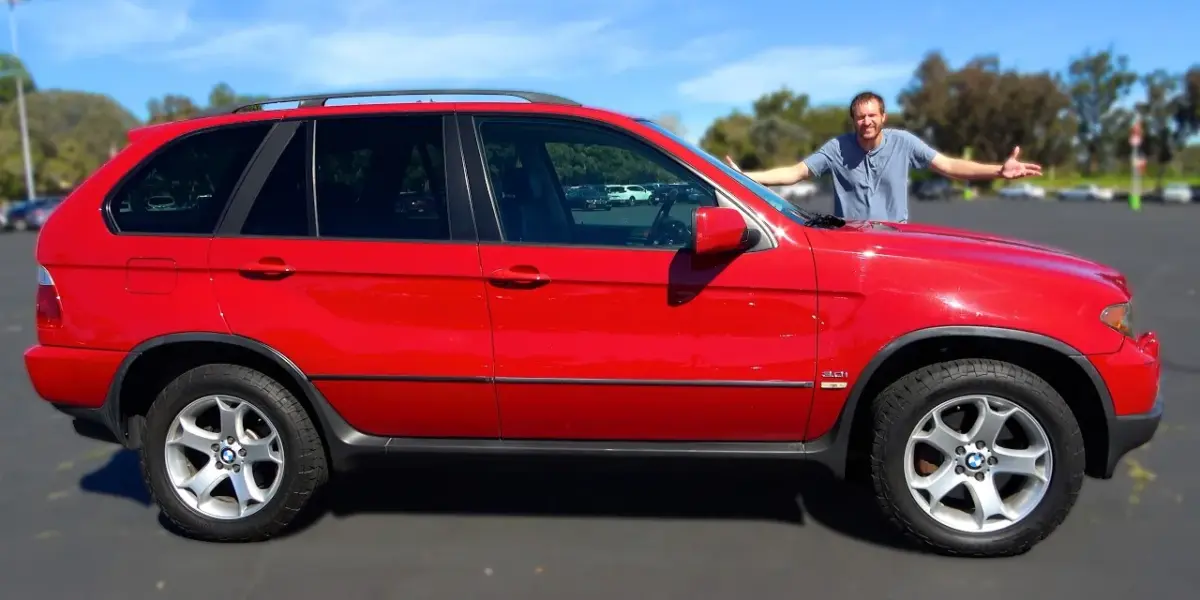
The original BMW X5 wasn’t just another luxury SUV; it was a turning point for BMW. Arriving in 2000, it was BMW’s first foray into the sport utility vehicle market, and it fundamentally changed the company’s trajectory. Today, SUVs make up a massive 65% of BMW’s sales, and it all began with this pioneering model, the E53 X5.
A Sporty SUV for Driving Enthusiasts
While not the absolute first luxury SUV on the market, with competitors like the Mercedes M-Class and Lexus RX arriving earlier, the X5 carved out its own unique niche. Unlike its rivals, which were primarily designed for suburban family duty, BMW infused the X5 with its signature sporty DNA. The goal was clear: create an SUV that drove like a BMW. And it worked. The design itself hinted at this athletic intent, with wheels pushed far forward and a muscular, athletic stance that felt more car-like than truck-like. Even today, the X5’s design holds up, successfully translating BMW’s styling language into an SUV form better than many of its contemporaries.
Performance That Drove the Competition
From launch, the X5 offered compelling powertrains. The base model featured a 3.0-liter straight-six engine producing 225 horsepower, while an optional 4.4-liter V8 delivered a more potent 282 horsepower. These figures were competitive, if not superior, to what Mercedes-Benz and Lexus offered at the time. Crucially, these were smooth, performance-oriented engines borrowed from BMW’s car lineup, not utilitarian truck engines. This commitment to performance was further amplified in 2002 with the introduction of the X5 4.6is. This high-performance variant, essentially an M car without the official M badge, boasted a 4.6-liter V8 with 340 horsepower, directly challenging models like the Mercedes-Benz ML55 AMG. Later, a 4.8-liter V8 producing 365 horsepower became available, solidifying the X5’s performance credentials.
A Manual Transmission Anomaly
One of the most surprising aspects of the original X5, especially in the example reviewed (a 2005 model), is the availability of a manual transmission. While early models offered a 5-speed manual, later versions, like this one, came with a 6-speed manual. This was a rare option, and it disappeared entirely in subsequent X5 generations. For buyers who appreciated the engagement of a manual gearbox, the X5 offered it, aligning with BMW’s core identity as a maker of driver-focused cars. The V8 models were easily identified by their quad exhaust tips, while the six-cylinder versions, like the manual example, featured a dual exhaust setup.
All-Wheel Drive with a BMW Soul
A notable feature of all first-generation X5 models was the standard all-wheel-drive system. BMW, renowned for its rear-wheel-drive vehicles, equipped the X5 with xDrive, but crucially, it was rear-biased, sending about 65% of power to the rear wheels in normal driving. This setup ensured the X5 handled more like a traditional BMW sedan or wagon, providing a familiar and engaging driving experience for those transitioning from BMW cars.
Interior Quality and Quirks
Inside, the E53 X5 exuded the solid, well-built quality characteristic of BMW interiors from that era. The design mirrored BMW’s sedans, scaled up slightly. Even after 20 years and over 170,000 miles, the interior of this 2005 model remains impressively intact, a testament to its build quality. Buttons, switches, and stalks offered satisfying tactile feedback, a hallmark of BMW’s engineering. However, the interior wasn’t without its quirks. A peculiar feature was a separate dial on the climate vents that could override the main temperature setting, sometimes resulting in warm air even when the AC was on full blast. Another oddity was the inclusion of license plates from British Columbia and Hawaii on the owner’s manual covers. Interestingly, many interior components, such as steering wheel and climate control buttons, were shared with Land Rover vehicles, a result of BMW’s ownership of the Rover Group at the time. This also led to features like Hill Descent Control and a split tailgate, both borrowed from Land Rover’s expertise.
Cargo and Rear Seat Amenities
The cargo area, while not cavernous by today’s standards, offered practical storage solutions, including side compartments. A full-size spare tire was a welcome inclusion, a feature becoming less common. The X5 also boasted dual 12-volt power outlets in the cargo area, a forward-thinking feature for its time. In the rear, passengers found climate vents, cup holders, and even built-in sunshades. A unique luxury touch was the power-adjustable rear backrests, controlled by switches on the C-pillars and even accessible from the cargo area, though a simple latch allowed for easy seat folding.
Legacy and Value Proposition
Produced from 2000 to 2006, the original X5 was a resounding success, selling nearly 500,000 units worldwide, with most built in the United States. It paved the way for BMW’s expanded SUV lineup and remains a popular vehicle, often vying for the title of BMW’s best-selling model in the U.S. While specific performance figures like 0-60 mph times and exact pricing for new models from 2000 are not readily available, the initial X5 was priced competitively in the luxury SUV segment, starting around $40,000 for the 6-cylinder model. Its blend of SUV practicality and BMW driving dynamics made it a compelling choice for buyers seeking a more engaging experience than other SUVs offered. The availability of a manual transmission in specific models, like the one being auctioned on Cars and Bids, adds a layer of rarity and enthusiast appeal to this already significant vehicle.
Verdict
The first-generation BMW X5 was more than just a vehicle; it was a statement. It proved that a luxury SUV could be sporty, engaging, and still retain the core values that made BMW a beloved brand. While modern SUVs have evolved, the original X5 remains a landmark vehicle that successfully launched BMW into a new, highly profitable segment, forever changing the company’s identity and securing its future success.
Source: The Original BMW X5 Changed BMW Forever (YouTube)

Related Articles


BMW Wagon Sells for $52,500: A Future Classic?
A 2010 BMW 535i Xdrive Sports Wagon sold for $52,500, setting a new benchmark for the model. This rare manual, all-wheel-drive wagon with M Sport package is proving to be a highly sought-after modern classic.
Infiniti QX65: A Stylish Coupe SUV Arrives
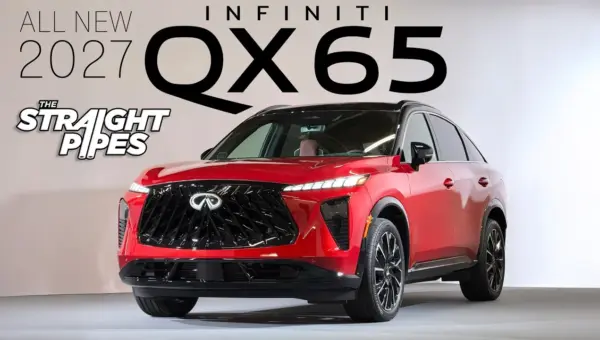
The all-new 2027 Infiniti QX65 arrives with a bold coupe-SUV design, premium interior, and modern tech. Powered by a 268-hp 2.0L turbo-four, it aims to blend style and practicality. Pricing is TBD but expected to be competitive.


Porsche Reverses EV Strategy for New Flagship SUV
Porsche has reversed its strategy for its upcoming flagship SUV, the K1. Instead of launching as an all-electric model, it will now offer V6, V8, and plug-in hybrid powertrains from the outset. This move reflects current market demand and aims to broaden the SUV's appeal.