Helium Prices Surge 70% Amid Middle East Conflict
Helium prices have surged up to 100% due to a drone strike on a Qatari production facility amidst Middle East conflict. This shortage impacts critical industries like semiconductors and medical imaging, with recovery timelines uncertain.

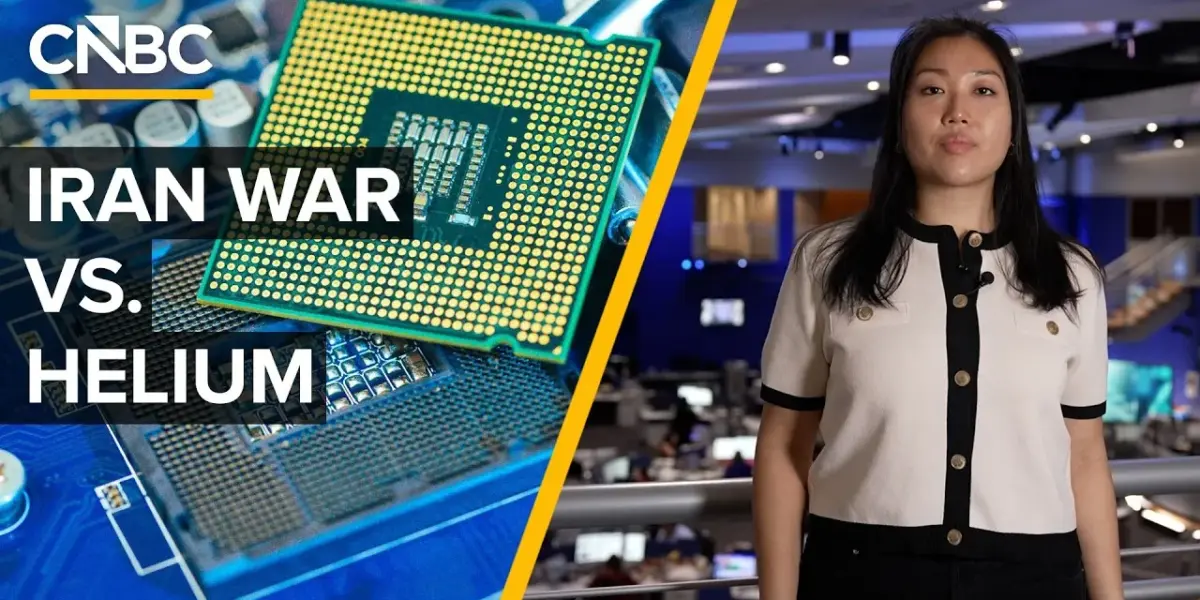
Helium Prices Surge 70% Amid Middle East Conflict
Global helium prices have skyrocketed, with spot prices jumping as much as 70% to 100% in recent weeks. This sharp increase is directly linked to the escalating conflict in the Middle East. Anyone relying on helium will now face significantly higher costs for this essential gas.
The crisis stems from a shutdown at a major helium production facility in Qatar. QatarEnergy’s industrial city is the world’s largest liquefied natural gas export plant and produces helium as a byproduct. However, the facility was struck by an Iranian drone early in the conflict, forcing it to halt operations. While the physical shortage has not yet reached all customers, the long supply chain means these effects will become more apparent over time. This disruption comes at a time when the helium market was already recovering from a period of oversupply.
Supply Chain Vulnerability Exposed
The helium market had experienced oversupply for the past two years. Experts now estimate the current deficit to be around 15%, rather than a more severe 30%. Adding to the supply crunch, the ongoing tensions have effectively limited passage through the Strait of Hormuz. This vital waterway is the only route for Qatari liquefied natural gas (LNG) shipments. Until the Strait is deemed safe for tankers, QatarEnergy is unlikely to restart its LNG plants, which would also resume helium production.
Helium is critical for medical imaging, aerospace, and electronics manufacturing, including semiconductors.
There are no practical substitutes for helium in many high-tech and medical applications. Its unique properties make it indispensable for technologies like MRI machines, aerospace components, and the manufacturing of electronics. In these sensitive markets, ensuring a stable supply is often more important than the price. This means suppliers can often command higher prices when disruptions occur.
Semiconductor Industry Faces Significant Risk
The ongoing helium shortage poses a serious threat to semiconductor manufacturers. Helium is a crucial element used in lithography, a process essential for printing the intricate circuitry onto computer chips. In 2023, the Semiconductor Industry Association highlighted the potential impact, warning that any disruption to helium supply could severely shock the global semiconductor manufacturing industry. To manage limited supplies during a shutdown, price becomes a key rationing tool. Essentially, those who need helium the most for their most critical operations will be willing to pay the highest prices.
Potential Benefits for Other Suppliers
As the shortage continues, some major gas producers located outside the Middle East may see price benefits. Historically, during periods of scarcity, these companies have often profited. The higher prices across their entire customer base can offset the reduced volume they might experience from losing supply from Qatar. However, the ultimate impact of this helium shortage on global markets hinges on the duration of the conflict in the Middle East.
Timeline for Recovery Uncertain
Even after hostilities cease, it will take a minimum of five additional weeks to resume helium production. Full normalization of the market could require an additional couple of months after production restarts. In the most optimistic scenario, this disruption might be a four-month event. However, it could easily extend to six months or longer. If the shortage persists, helium suppliers may begin prioritizing certain key sectors for their limited supply.
Sector Prioritization and Allocation
Helium suppliers have the flexibility to adjust allocation percentages for different market segments. Critical, life-saving applications, such as medical imaging with MRI machines, might receive 100% of their required helium. The semiconductor industry is also expected to receive a relatively high allocation due to its importance. However, some industries with lower priority allocations may not receive the necessary quantities of helium to maintain their normal operations.
Market Impact
The immediate impact is a significant price increase for helium, affecting all users. For critical sectors like healthcare and technology, the priority will be securing supply, even at higher costs. The semiconductor industry, vital for the global economy, faces potential production challenges if helium availability is restricted. The duration of the Middle East conflict is the key variable determining the length and severity of this shortage.
What Investors Should Know
Investors should monitor the geopolitical situation in the Middle East, as it directly influences helium supply. Companies heavily reliant on helium, particularly in the semiconductor and advanced manufacturing sectors, could face operational headwinds. Conversely, helium producers outside the affected region might experience improved pricing and profitability. The timeline for market stabilization remains uncertain, making it a developing situation to watch.
Source: What The Helium Shortage Means For Semiconductors (YouTube)

Related Articles
Iran’s Missile Threat Reduced by 90%, Analyst Says
An analyst reports that Operation Epic Fury has degraded Iran's missile launchers by 90%, despite challenges in targeting hidden sites. The conflict's duration and media coverage are also discussed, with implications for global energy markets and investor confidence.
Iran Missile Strikes Injure US Troops, Raise War Concerns
Iranian missile strikes have injured U.S. service members, escalating tensions as the conflict nears one month. The attacks are raising concerns about the effectiveness of U.S. military strategy and the depletion of crucial missile stockpiles. Global oil prices have surged, impacting economies worldwide.


Saudi Arabia Pushes US for Iran War, Report Claims
Saudi Arabia's Crown Prince Mohammed bin Salman has reportedly urged the US to escalate military action against Iran, viewing it as an opportunity to reshape the Middle East. While Saudi officials deny the report, the push comes amid increased Iranian attacks on Saudi oil infrastructure. Experts suggest a complex dynamic where Saudi Arabia seeks US intervention while also managing the risks of regional instability.