US Launches Massive Strikes on Iran Amid Escalating Regional Conflict
The U.S. has launched its largest-ever strike package against Iran amid escalating regional tensions. The conflict has seen attacks on vital energy infrastructure, causing gas prices to soar and prompting warnings from President Trump. Meanwhile, fighting intensifies along the Lebanon border, with significant displacement and casualties reported.


US Launches ‘Largest Strike Package Yet’ on Iran Amid Regional Turmoil
The United States has launched what officials are calling the “largest strike package yet” against Iran, intensifying military operations in a region already reeling from escalating conflict. This move comes as Iran continues its retaliatory actions, including attacks on energy facilities in the Gulf, leading to soaring gas prices and heightened tensions among regional powers.
Iran’s Energy Infrastructure Targeted, Gas Prices Soar
In a significant escalation, Iran recently attacked gas fields in Qatar, a major global supplier of liquefied natural gas vital to the U.S. and Europe. This action followed an earlier Israeli strike on Iran’s South Pars gas fields, its largest source of domestic energy. The attacks have sent gas prices climbing, highlighting the critical role of these energy sources in the global economy.
In response to the attacks on energy sites, the UAE has labeled Iran’s actions a “dangerous escalation.” Gulf states, while not wanting this war, are reportedly outraged that they have become the focus of Iran’s retaliation. The UAE, in particular, has endured numerous missile and drone attacks, even more than Israel has faced.
U.S. and Israel Coordinate Operations, President Trump Issues Warning
U.S. and Israeli forces have been closely cooperating on these operations. However, President Trump stated he was unaware of Israel’s planned strike on the South Pars gas fields. He has also issued a stern warning to Iran, cautioning against further actions to halt strikes on Qatar. The President threatened severe consequences, suggesting the U.S. could “blow the whole thing up” if Iran continues its aggression.
Iran Continues Missile Attacks; Casualties Reported
Despite U.S. and Israeli actions, Iran has continued firing missiles. Overnight, one person was killed in a missile strike in central Israel. Additionally, at least three Palestinian women died in the West Bank when shrapnel from a missile strike landed on a beauty salon. These ongoing attacks underscore the persistent threat posed by Iran’s missile capabilities.
Intensified Fighting on Lebanon Border, Residents Describe Fear
The conflict is also intensifying along the border with Lebanon. Israeli troops are massing, with tanks and mobile artillery seen moving towards the north. An Israeli tactical commander confirmed “limited ground operations” are underway, though concerns of a full-scale invasion persist. Residents in northern Israel described the constant noise and fear, with one resident noting, “my dog is like in a panic attack all the time.” This constant reminder underscores the reality of the ongoing hostilities.
While no evacuations have yet occurred in Israel, over a million people have been displaced in Lebanon, with the death toll exceeding 900. The Israeli commander indicated preparedness to continue operations for “as long as it takes,” emphasizing a commitment to their objectives.
U.S. Defense Secretary Outlines Objectives, Expert Urges Humility
Secretary Hegseth detailed U.S. objectives, stating the aim is to “destroy missiles launchers and Iran’s defense industrial base” to prevent rebuilding, eliminate their navy, and ensure Iran never obtains a nuclear weapon. He asserted that the U.S. is “winning decisively and on our terms.”
However, Stephen Cook, a Senior Fellow at the Council on Foreign Relations, suggested a more measured approach. He noted that while U.S. and Israeli officials outline similar goals, Hegseth’s “bombast” may not serve U.S. interests. Cook believes the U.S. should focus on clearly stating its aims – degrading Iran’s ability to threaten the region by destroying its naval, nuclear, and ballistic missile capabilities. He advised more humility, acknowledging that while Iran has been wounded, it still possesses significant capacity to fight back.
Broader Regional Implications and Future Outlook
The escalating conflict has strained relations among Gulf states, who are increasingly targeted by Iran’s responses. The UAE, Qatar, and Saudi Arabia have largely allowed the U.S. and Israel to lead the strikes against Iran. However, questions remain about whether these capable forces might take direct action if Iran continues to target energy infrastructure across the Gulf. While direct military intervention by these nations seems distant, the situation is undeniably raising regional tensions.
Looking ahead, the focus will be on whether the U.S. strike packages continue to degrade Iran’s military capabilities as intended and if Iran’s retaliatory actions escalate further. The stability of global energy markets and the potential for broader regional involvement remain critical factors to watch.
Source: Hegseth: U.S. to launch 'largest strike package yet' on Iran (YouTube)

Related Articles
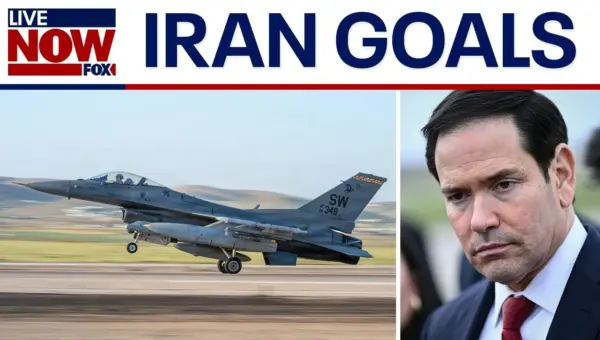
Rubio: US Can Achieve Iran War Goals Without Troops
Senator Marco Rubio outlined a strategy to counter Iran without deploying U.S. ground troops, focusing on weakening the regime and enhancing maritime security. He also criticized Cuba's economic system and expressed concerns about West Bank violence.


Israelis Forge Resilience Amidst Constant Bomb Shelter Drills
Life in Israel is a blend of resilience and constant vigilance, with many families adapting to frequent bomb shelter drills and even sleeping in makeshift shelters. Despite ongoing missile attacks, Israelis strive to maintain normalcy, though businesses face disruption and emotional fatigue is a growing concern.

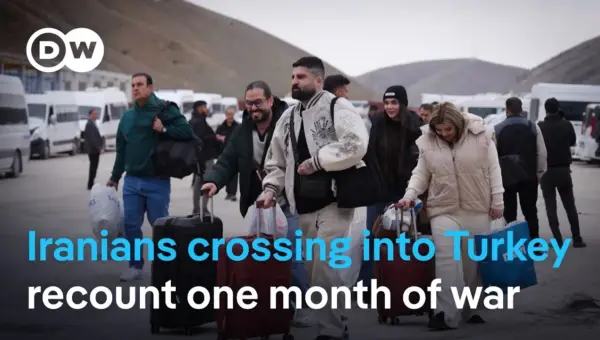
Iran War Exodus: Refugees Flee to Turkey Amidst Bombings
A train from Tehran brings refugees to Turkey, fleeing daily bombings and economic collapse. Many express deep fear for loved ones left behind, while some hold onto national pride and hope for victory. The conflict's impact is also felt economically in Turkey, with rising gas prices.