Ukraine Drones Strike Deep Behind Russian Lines
Ukrainian drone units are now striking Russian positions from much farther behind the front lines. The integration of Starlink satellite internet allows pilots and navigators to operate from safer, remote locations. This enhances force protection and increases operational flexibility.

Ukraine Drones Strike Deep Behind Russian Lines
Ukrainian drone teams are operating with a new level of flexibility, striking Russian targets from positions far behind the front lines. This shift is largely due to the integration of Starlink satellite internet technology. It allows drone pilots and navigators to control their aircraft from safer, more distant locations.
Starlink Enables Remote Drone Operations
Traditionally, drone operators worked closely with ground crews near the battlefield. This placed them at greater risk. However, the use of Starlink dishes, often mounted directly onto the drones, changes this dynamic. These dishes connect the drone control systems to satellite internet. This means teams like those led by Anton, the drone pilot, and Oleg, the navigator, can operate from behind a significantly larger buffer zone.
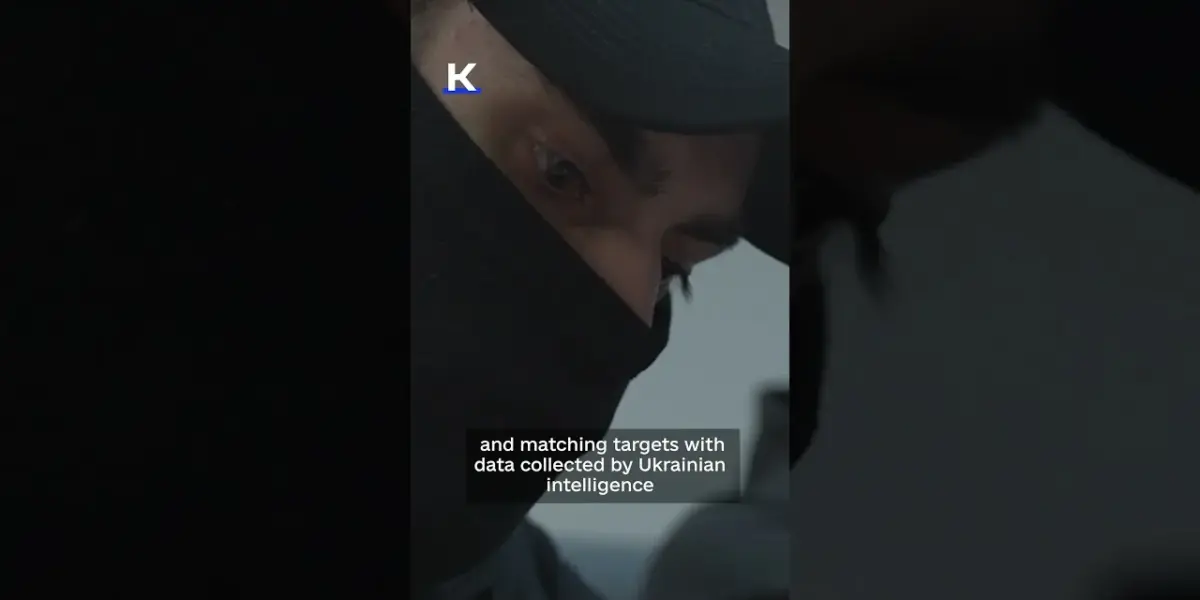
Anton controls the drone using a joystick, much like piloting a remote-controlled aircraft. Oleg, meanwhile, monitors a live map. He matches potential targets with information gathered by Ukrainian intelligence. This intelligence comes from various sources, including ground reports and satellite imagery. Their ability to work together from a secure location, miles from the immediate danger, represents a significant tactical evolution.
The Starlink Advantage
Starlink, a satellite internet service developed by SpaceX, provides broadband internet access via a constellation of satellites in low Earth orbit. For military applications, it offers a crucial advantage: connectivity in areas where traditional communication infrastructure may be damaged, jammed, or nonexistent. By attaching Starlink dishes to bomber drones, Ukrainian forces can maintain a stable, high-speed data link. This allows for real-time control and video feedback, even when the drone is operating hundreds of miles away.
In theory, this technology could allow operators to control drones from virtually anywhere in the world with an internet connection. This capability provides a substantial operational advantage. It reduces the risk to personnel and allows for more persistent surveillance and strike missions without exposing operators to direct enemy fire.
Strategic Implications
The ability to conduct drone operations from a distance has several strategic implications. Firstly, it enhances force protection. By removing operators from the immediate vicinity of the front lines, Ukraine minimizes casualties and preserves valuable personnel. Secondly, it allows for greater operational tempo. Drone teams can potentially conduct more missions without the logistical complexities and risks associated with deploying them close to the front. This could enable more frequent strikes on Russian supply lines, command centers, or troop concentrations located deeper within occupied territory or even inside Russia itself.
Furthermore, this development highlights the growing importance of advanced communication technologies in modern warfare. The battlefield is increasingly becoming a domain where information superiority and resilient communication networks are as critical as traditional firepower. Starlink’s role in enabling these remote operations underscores the impact of commercial technology on military capabilities.
Historical Parallels
While the technology is new, the concept of extending reach and reducing risk through distance has historical precedents. During World War II, long-range bombing raids allowed Allied aircraft to strike targets deep within enemy territory. However, these missions carried immense risk to aircrews. More recently, the development of remotely piloted aircraft (RPAs), often referred to as drones, in the early 21st century allowed operators to engage targets in distant conflict zones from secure bases. The Ukrainian adaptation of Starlink for their bomber drones represents a further evolution, pushing the boundaries of remote operational capability and reducing the physical proximity required for effective engagement.
The use of Starlink by Ukrainian forces is not the first instance of commercial technology being adapted for military use. However, its application in enabling persistent, long-range drone operations from secure locations marks a significant development in the ongoing conflict. It allows Ukraine to project force and maintain pressure on Russian positions with reduced risk to its own personnel.
Source: A night with a drone unit striking Russian positions (YouTube)

Related Articles


Ukraine Strikes Russian Oil Refinery, Eyes Iran Threat
Ukrainian forces struck a key Russian oil refinery, disrupting Moscow's war capabilities. Meanwhile, Finland's president urged continued U.S. support for Ukraine, as Kyiv shares its air defense expertise globally amid growing geopolitical complexities involving Iran and potential sanctions against Hungary.
China Sends Old Jets Reborn as Drones Toward Taiwan
China has converted old J6 fighter jets into attack drones, deploying over 200 near Taiwan. These drones could overwhelm air defenses and present a costly challenge for Taiwan's interceptors. This move highlights evolving military tactics and regional tensions.
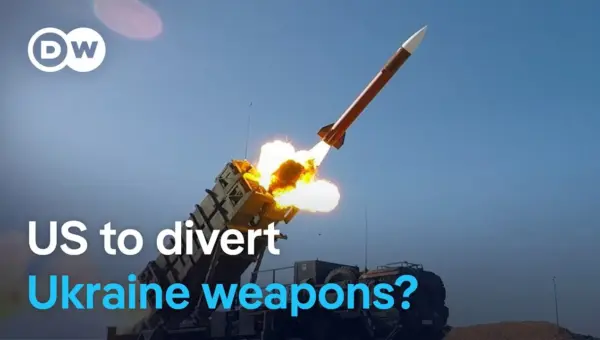
US Weighs Shifting Ukraine Weapons to Iran Amid Missile Shortage
The U.S. is reportedly considering diverting weapons destined for Ukraine to support operations against Iran, driven by rapidly depleted missile stocks. This potential shift raises concerns about Ukraine's defense capabilities and highlights the complex interplay between global conflicts.