Iran Crisis Triggers Oil Price Hedges, Regime Faces Collapse
U.S. Treasury Secretary Scott Bessent detailed the strategy to stabilize oil prices amidst the Iran conflict, emphasizing reserve releases over direct market intervention. He described Iran's regime as being in "chaos" and facing collapse. The U.S. economy remains strong, poised for continued growth.

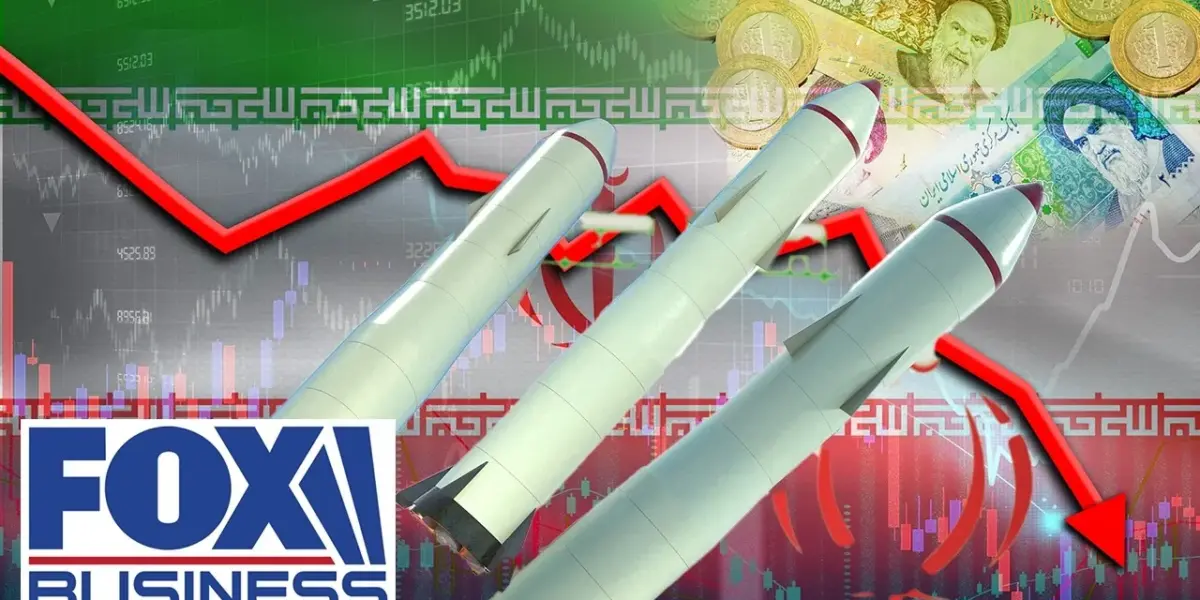
Iran Crisis Triggers Oil Price Hedges, Regime Faces Collapse
The ongoing conflict involving Iran has sent shockwaves through global energy markets, prompting swift action from the U.S. Treasury to stabilize oil prices. While Brent crude has surged 6% to $113 per barrel, and U.S. crude is up 1.13% at $97.61, the Treasury is employing a strategy of releasing large oil reserves to counter price spikes.
U.S. Treasury Secretary Scott Bessent detailed this multi-pronged approach in a recent interview, emphasizing that the administration is not intervening directly in financial markets. Instead, the focus is on creating excess oil supply. “We are intervening in markets by creating this excess display with oil on the water,” Bessent explained. This involves releasing oil from strategic reserves and potentially unsanctioning Iranian oil to add approximately 260 million barrels of energy to the market. This substantial supply buffer is intended to offset any temporary disruptions caused by the conflict, estimated to create a deficit of 10 to 14 million barrels per day for about three weeks.
Regime Under Pressure
Beyond the economic implications, Bessent painted a grim picture of Iran’s internal situation. He described the regime as being in a state of “chaos” and facing significant trouble. “The regime is in trouble. I said last week on another show that — in Hitler’s bunker Hitler is dead as of this week him already, is dead too the leadership detated contrary to what immediate and U.S. want you to believe they are in chaos having trouble communicating,” Bessent stated. He believes that recent military actions, including precision strikes on military targets on Kharg Island, are “death throws of a dying regime.”
Strategic Oil Management
The U.S. strategy aims to isolate Iran economically while preventing a global energy crisis. “We are not attacking their energy infrastructure on Kharg Island the nexus 90% Iranian oil out of there,” Bessent clarified. This targeted approach allows Iranian oil to continue flowing out of the Gulf, with U.S. tankers and Chinese tankers moving out. This strategy is designed to keep prices down for the next 10 to 14 days as the military campaign continues.
The U.S. has also approved the largest-ever Strategic Petroleum Reserve (SPR) release of 400 million barrels. Bessent noted that the U.S. could unilaterally enact further SPR releases if needed to maintain price stability. He highlighted the divergence between WTI and European Brent crude prices, attributing the U.S. market’s resilience to its near energy independence, a goal pursued during President Trump’s first term.
International Cooperation and Challenges
Bessent stressed that allies who benefit from energy stability should contribute to securing vital shipping lanes. “President Trump wants to have something for the Iranian people on the other side,” he said, indicating a desire for a stable transition. He suggested that while NATO and some Asian allies might not directly engage in combat, a global coalition to escort ships through the Strait of Hormuz could emerge. Japan, heavily reliant on Gulf crude supplies, is expected to discuss increased involvement, potentially through its navy and strategic petroleum reserve releases.
In contrast, China’s role has been viewed as unreliable. Bessent pointed out that China has stopped exporting refined products during the Iran conflict, leaving dependent nations in a difficult position. The U.S. continues to export energy, emphasizing a need for strategic decoupling from China, despite not wanting a complete trade separation. The U.S. Treasury is also working to freeze Iranian leadership’s bank accounts, anticipating defections as the regime faces internal collapse.
Economic Outlook Amidst Conflict
Despite the geopolitical tensions, the U.S. economy remains strong. Bessent asserted, “There is no prosperity without security.” He believes that President Trump’s actions will ultimately lead to greater security and a stronger economy. “We will get to the other side of this, and I think decided imagination market par is the pants command try imagine what this looked like on the other side with Maduro gone in Venezuela looks like Cuba may be very slow motion regime change there, Iran, and this horrible sponsors of global terrorism, their military is the greatest they are unable to project power — degraded. Russia-Ukraine will get involved I think gas prices energy prices will be lower than they were on February 28,” he predicted.
The economy entered the conflict from a position of strength, with strong consumer spending and GDP growth nearing 5% in the fourth quarter. Bessent anticipates continued non-inflationary growth, potentially exceeding 3% for 2026, as the nation emerges from the crisis with enhanced security.
Federal Reserve and Tariffs
The interview also touched upon the Federal Reserve, with the confirmation of Kevin Warsh on hold due to an ongoing investigation into Chairman Jay Powell. Bessent clarified that the decision to end the probe does not rest with the President but with the attorney for D.C. He indicated that while Warsh’s confirmation hearing might proceed, the vote could be delayed if Senator Tillis insists on waiting for the investigation’s conclusion. Bessent also noted that it would be historically unusual for a former Fed chair to remain on the board as a governor.
Regarding tariffs, Bessent stated that investigations under Section 301 continue, with results expected in July. While the tariff regime might remain unchanged under new authority, this is contingent on the investigation’s findings. The Treasury also expects an announcement on fertilizer tariffs in the coming days.
Market Impact
The conflict has created immediate pressure on oil prices, with Brent crude reaching $118 per barrel at one point. However, the Treasury’s strategy of releasing oil reserves and ensuring supply continuity aims to temper these increases. The divergence between U.S. and European crude prices underscores the U.S.’s growing energy independence. Investors should monitor the effectiveness of these supply-side interventions in stabilizing energy costs and their impact on inflation. The internal instability within Iran, as described by Secretary Bessent, suggests potential long-term shifts in regional power dynamics.
What Investors Should Know
The U.S. Treasury’s proactive approach to managing oil supply aims to cushion the economic blow of the Iran conflict. While short-term price volatility is expected, the administration’s strategy suggests a focus on preventing sustained inflation. Investors should consider the implications of increased U.S. energy production and strategic reserve releases on commodity markets. The potential collapse of the Iranian regime could also lead to significant geopolitical realignments, impacting global trade and investment flows. The resilience of the U.S. economy, despite these external shocks, provides a foundation for continued growth, though security remains a paramount concern.
Source: 'THEY ARE IN CHAOS': Bessent details internal COLLAPSE of Iran’s regime (YouTube)

Related Articles
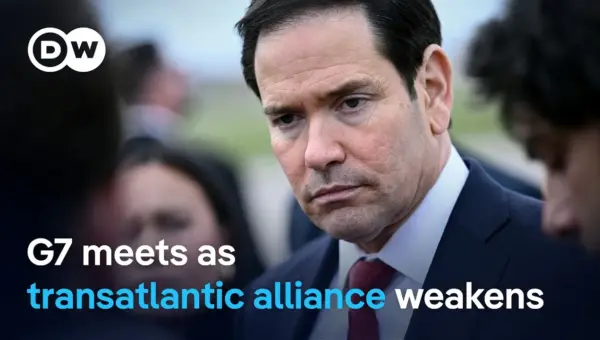
G7 Allies Clash Over Iran War Strategy, Urge Focus on Russia
G7 foreign ministers met in Paris, revealing deep divisions over the U.S. war with Iran. European allies urged the U.S. to pressure Russia, linking its actions to the conflict and fearing support for Ukraine will wane.

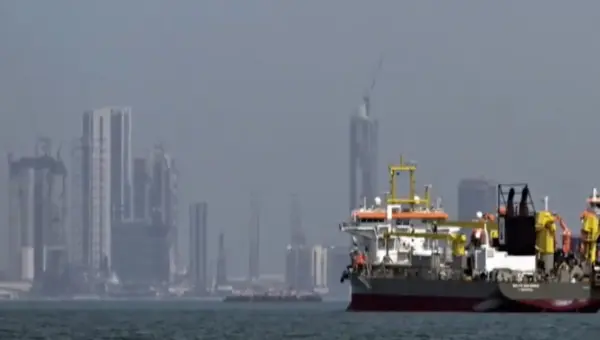
Iran Blocks China Ships, Exposing Beijing’s Weak Grip
Iran's recent decision to block Chinese ships at the Strait of Hormuz is exposing the limits of Beijing's influence in the Middle East. This action is causing delays and cancellations for Chinese manufacturers, turning a perceived geopolitical win into an economic strain.
Trump’s “Walk Away” Tactic Signals Tougher Stance on China
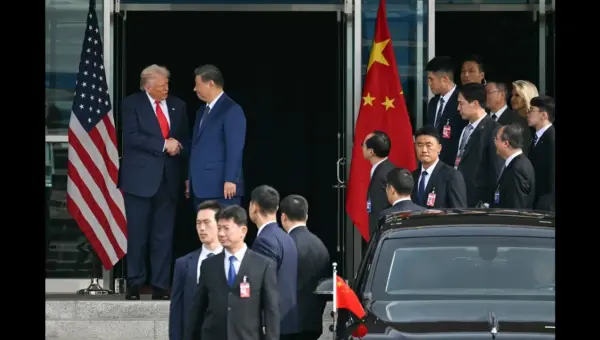
Retired Air Force Brigadier General David Stillwell believes President Trump's strategy of being willing to walk away from negotiations puts pressure on China. This tactic, combined with US global actions and strengthened alliances, signals a more assertive American foreign policy.