Russia Deepens Ukraine War Aims Beyond Territory
Russia's war aims in Ukraine appear to extend beyond territorial gains, focusing on reshaping the nation's geopolitical alignment. Ukraine is strengthening defense partnerships with the UK and Spain, while Turkey offers to mediate. Global instability and fears of nuclear catastrophe persist.

Russia Deepens Ukraine War Aims Beyond Territory
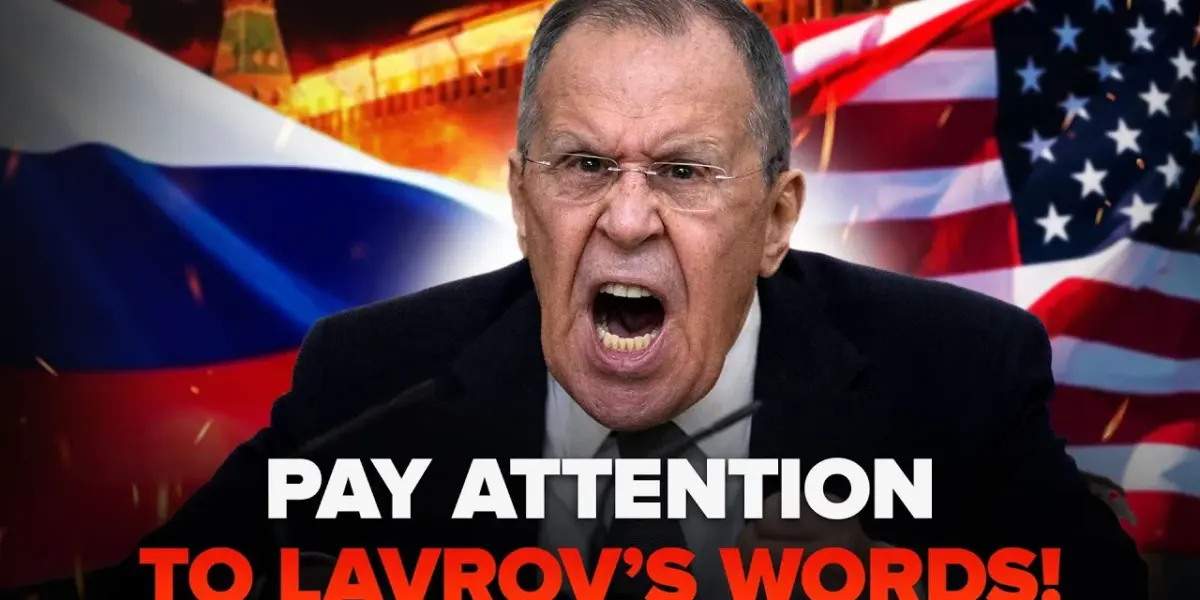
Recent statements from Russian Foreign Minister Sergey Lavrov indicate Moscow has no intention of ending its war in Ukraine. Analysts suggest Russia’s goals extend far beyond simply capturing territory. They believe Moscow aims to fundamentally reshape Ukraine, stripping it of its ability to choose its own alliances and keeping it under Russian influence.
This deeper objective explains Russia’s continued talk of “root causes” for the conflict. These causes, according to observers, involve not just the Donbas region but overall control of Ukraine as a state. While Russia still speaks of negotiations, it is reportedly presenting its own terms for acceptance rather than offering compromise. Analysts believe that even significant Ukrainian concessions would not guarantee peace because the Kremlin’s focus is on broader influence and control over Ukraine’s future.
Russia’s demands remain maximalist. These include Ukraine’s rejection of NATO membership, a commitment to neutrality, a weakened military, and a change in government. These positions have reportedly remained firm even during discussions with the United States. The prospect of European peacekeepers on Ukrainian soil is also being challenged by Russia, with Moscow suggesting they could be viewed as occupying forces. This stance questions Ukraine’s sovereign right to decide who can be present in its territory.
Ukraine Bolsters Defense Ties with UK and Spain
In response to the ongoing conflict, Ukraine is strengthening its defense partnerships. A new alliance with the United Kingdom has been established following a declaration signed in London by President Volodymyr Zelenskyy and Prime Minister Rishi Sunak. This agreement is described as more than just military aid; it aims to create a long-term defense partnership and a “joint defense industrial ecosystem.”
Under this pact, Ukraine will share its battlefield experience and combat-tested technologies. The UK will invest in scaling up production and enhancing Ukraine’s long-range capabilities. A significant focus will be on air defense, including countering drones and developing systems against cruise and ballistic missiles. The partnership also includes joint training and integrating Ukraine’s wartime experiences into Western military doctrine.
President Zelenskyy also completed a productive visit to Spain, aimed at deepening defense cooperation. He met with Spanish Prime Minister Pedro Sanchez and reviewed advanced technologies at a center for aerospace and defense. This visit followed his trip to London, marking a significant step in Ukraine’s efforts to build broader international military support.
Turkey Offers Mediation Amid Shifting Global Dynamics
Turkey has once again offered to host peace talks between Ukraine and Russia. Foreign Minister Hakan Fidan has discussed this possibility with Sergey Lavrov, stating Ankara is ready to welcome both sides. This initiative comes as peace talks appear stalled, partly due to escalating tensions in the Middle East, which have drawn attention away from the European conflict.
Turkey’s renewed mediation efforts are seen in the context of a perceived vacuum in diplomatic engagement. The country maintains communication channels with both Kyiv and Moscow. Turkey has direct interests in the region, including Black Sea security, the grain corridor, and energy routes. Ankara seeks to prevent further escalation that could impact these critical areas. The move positions Turkey as a potential key broker in the conflict.
Espionage Trends and European Dialogue
European officials are observing a shift in Russian espionage tactics. Instead of relying solely on trained agents, Russia is reportedly recruiting ordinary individuals through social media platforms like Telegram. These individuals are offered money for tasks such as taking photos or sharing information. This trend, sometimes referred to as “crime as a service,” involves people with no prior ideology or training, driven by financial gain or curiosity.
This evolving form of espionage has led to concerns about increased vulnerability, with teenagers and students reportedly being drawn into such activities. In the Netherlands, individuals as young as 17 have been detained for allegedly working with Russian handlers. This development blurs the lines of traditional espionage, making it harder to identify threats.
Meanwhile, some European leaders are cautiously discussing the potential need to restore political channels with Moscow. Finland’s President Alexander Stubb suggested that the European Union may reach a point where dialogue with Russia becomes necessary. However, he stressed the importance of a unified European approach, rather than individual countries pursuing separate dialogues. Stubb also noted that the world has fundamentally changed, with the era of relative peace ending and a new “iron curtain” emerging in Europe following the war in Ukraine.
Global Instability and Nuclear Concerns
The global security landscape is marked by increasing instability, with multiple conflicts erupting worldwide. Analysts describe a shift from a unipolar world led by the U.S. to a multipolar environment characterized by disorder. Interdependence and global trade, once seen as forces for unity, are now reportedly used as instruments of disruption and warfare.
Amidst these geopolitical tensions, the World Health Organization has issued warnings about the risk of nuclear catastrophe. Concerns include not only the potential use of nuclear weapons but also the possibility of strikes on nuclear facilities. The organization is retraining staff for potential radiation emergencies, recognizing that the consequences of such an event could be global and last for decades. This underscores the heightened risks associated with current international conflicts.
Source: 😱Lavrov announced Moscow’s tough order! Putin issued an ultimatum on war. Zelenskyy responded (YouTube)

Related Articles
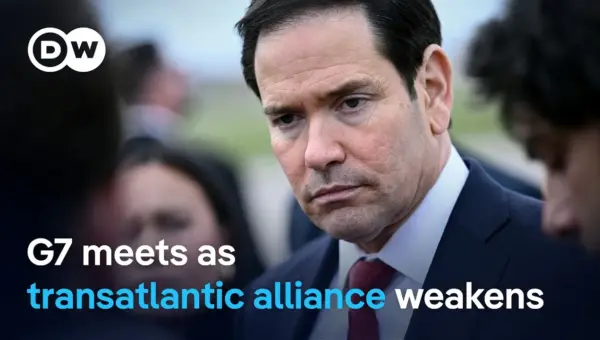
G7 Allies Clash Over Iran War Strategy, Urge Focus on Russia
G7 foreign ministers met in Paris, revealing deep divisions over the U.S. war with Iran. European allies urged the U.S. to pressure Russia, linking its actions to the conflict and fearing support for Ukraine will wane.

Iran Blocks China Ships, Exposing Beijing’s Weak Grip
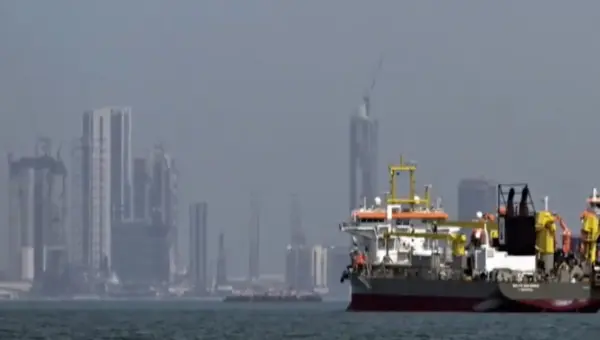
Iran's recent decision to block Chinese ships at the Strait of Hormuz is exposing the limits of Beijing's influence in the Middle East. This action is causing delays and cancellations for Chinese manufacturers, turning a perceived geopolitical win into an economic strain.
Trump’s “Walk Away” Tactic Signals Tougher Stance on China
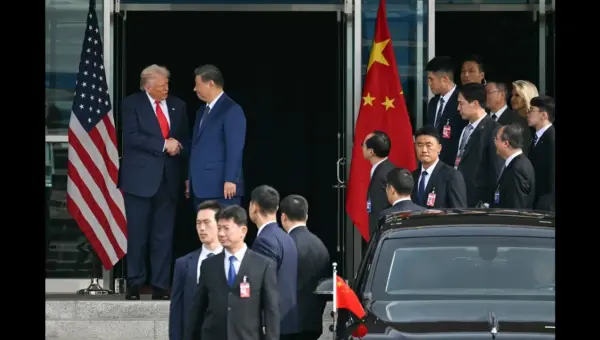
Retired Air Force Brigadier General David Stillwell believes President Trump's strategy of being willing to walk away from negotiations puts pressure on China. This tactic, combined with US global actions and strengthened alliances, signals a more assertive American foreign policy.