Intel Chief’s Iran War Briefing Claims Spark Congress Probe
Lawmakers are questioning the intelligence provided to President Trump regarding a potential conflict with Iran. A key focus is whether the President was fully briefed on the risks and if the intelligence community accurately assessed an "imminent threat."

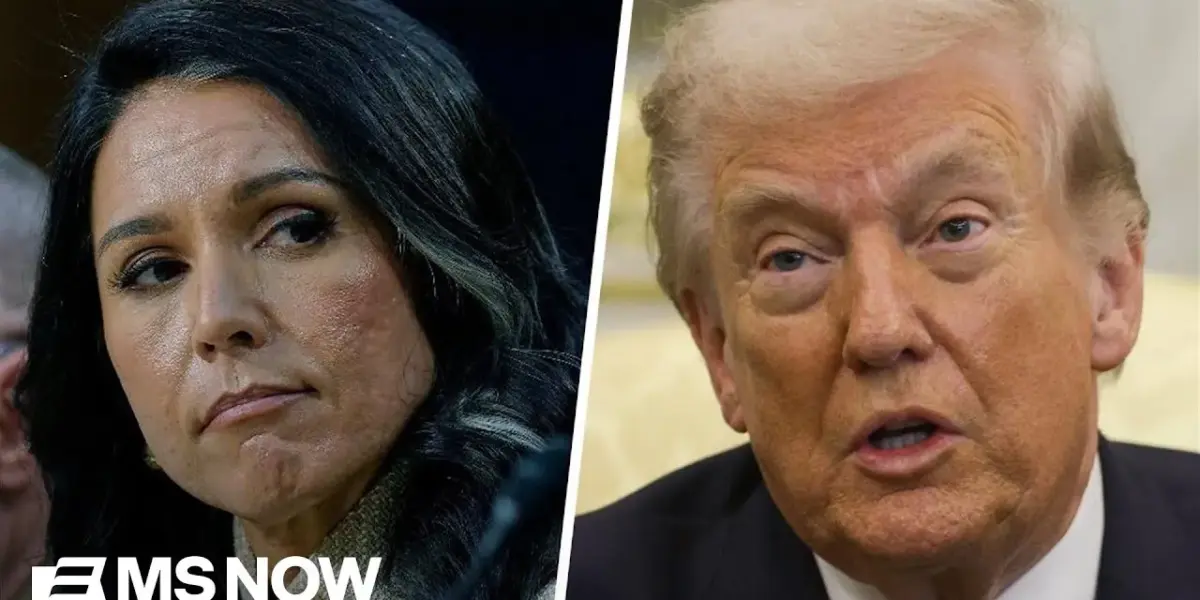
Congress Questions Intelligence on Iran Conflict Justification
Capitol Hill is buzzing with questions following recent testimony regarding the lead-up to a potential conflict with Iran. Lawmakers are scrutinizing the intelligence provided to President Trump, particularly concerning the justification for military action and the potential consequences.
Did Trump Know the Risks?
At the heart of the congressional inquiry is whether President Trump was fully briefed on the potential impacts of striking Iran. Reports from a recent hearing suggest that the Director of National Intelligence, Tulsi Gabbard, and CIA Director Ratcliffe were pressed on this issue but offered evasive answers. This has led to frustration among some members of Congress.
One key exchange involved a direct question: “Is there any evidence that Iran intended to conduct a preemptive attack on the U.S. prior to beginning this war, yes or no?” The response was that such information needed to be reserved for a closed hearing. However, the intelligence community does provide threat assessments to the president for his decision-making.
Defining ‘Imminent Threat’
A significant point of contention is the definition of an “imminent threat.” Historically, the intelligence community has assessed threats to inform policy decisions. However, Director Gabbard stated that it is not the intelligence community’s job to determine what is imminent, but rather the president’s role.
This stance has been met with strong disagreement. Former intelligence officials argue this is a major departure from established practice. “I have never heard any member of the intelligence community say what Tulsi Gabbard said yesterday,” stated one former official. “It is not the intelligence community’s job to decide what is an imminent threat. Only the president can. That is not the way this works at all.”
The implications of this are serious. If the U.S. did not face an imminent threat, then the strike could be seen as a violation of international law. International law, particularly after World War II, allows for preemptive strikes only under very specific circumstances, such as an immediate threat within 24 hours and no other recourse.
To illustrate, one expert compared the situation to the historical “Caroline Affair” in the 1800s, where a preemptive strike by Britain against a U.S.-supported ship was deemed lawful only because the threat was immediate and unavoidable.
Intelligence Silos and Political Influence
The current situation has also brought to light concerns about how intelligence is collected, analyzed, and presented. The intelligence community was reformed after 9/11 to prevent information silos. The goal was to ensure all relevant intelligence is brought together to manage threats effectively.
However, some experts believe political appointees may be influencing intelligence assessments. “We have political appointees now who are doing the bidding of the president and not, you know, really coming across as truthful or honest or forthcoming in their answers to congressional oversight,” noted one analyst.
This raises questions about whether intelligence is truly informing policy or if policy is shaping the intelligence presented. Experts suggest a few possibilities:
- The intelligence was solid, presented to the president, but ignored.
- The intelligence was not presented in a way the president could easily understand.
- The necessary intelligence was not actually produced or gathered.
Any of these scenarios are considered troubling by national security professionals.
Potential Consequences Ignored?
Lawmakers also pressed officials on whether President Trump was briefed on specific potential consequences, such as Iran’s ability to shut down the Strait of Hormuz if attacked. While officials stated the president receives constant intelligence briefings, direct answers about specific warnings regarding the Strait of Hormuz were not provided.
One analyst expressed disbelief that the president and his national security team would not be aware of the potential first, second, and third-order effects of going to war with Iran. “The presidential daily brief every day, and that would have included information about Iran and all of the things that would happen if we actually took offensive measures,” the analyst explained.
Detailed briefings from the CIA, ODNI, and the Pentagon would typically outline such consequences. The idea that the president and his advisors were unaware is seen as highly unlikely, suggesting either a failure in the intelligence process or a deliberate disregard for the information.
Broader Implications and Future Oversight
The questioning highlights a potential disconnect between intelligence assessments and policy decisions, particularly concerning the Iran conflict. The focus on whether an “imminent threat” existed and whether the president was fully briefed on the consequences raises serious questions about the administration’s decision-making process.
As Congress continues its oversight, the focus will likely remain on the transparency and accuracy of intelligence provided to the executive branch, and whether that intelligence is being used to guide, rather than follow, policy choices. The public and lawmakers alike will be watching closely to see if clearer answers emerge regarding the intelligence that underpinned the decision to engage in conflict.
Source: 'Inconceivable' that Trump wasn't briefed on effects of Iran war: Fmr. FBI official (YouTube)

Related Articles

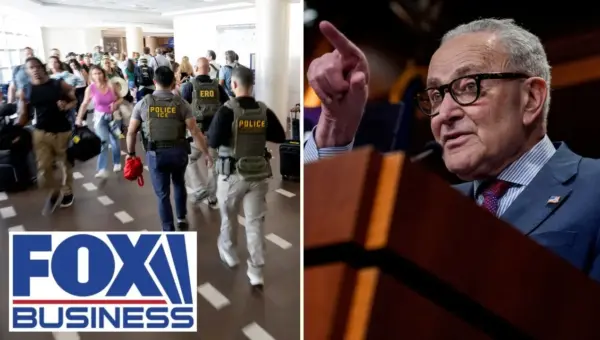
DHS Funding Crisis Sparks Chaos, Congressman Blames Poor Communication
Congressman Darrell Issa blames "failure to communicate" for the DHS funding crisis leading to unpaid TSA agents and airport chaos. The House is preparing a short-term bill as security concerns rise.


Americans Rally for Democracy Amidst War and Economic Woes
Thousands of Americans are participating in "No Kings" rallies nationwide, demanding accountability from leaders and drawing parallels to historical movements that spurred significant change. The protests occur amidst a controversial war with Iran, economic uncertainty, and a partial government shutdown. Organizers emphasize solidarity, joy, and the power of collective action in defending democracy.
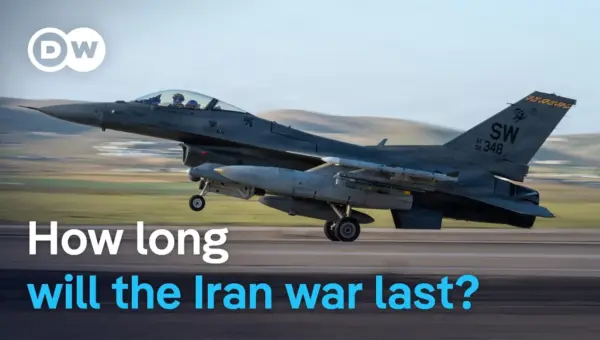
US Official Claims Iran War Could End Soon; Expert Skeptical
Despite US envoy Steve Woff's optimism about imminent talks and a swift end to the conflict with Iran, expert Aaron David Miller expresses significant doubt. Miller argues that a lack of shared urgency and fundamental miscalculations by the US administration make a quick resolution unlikely.