Ex-Intel Chiefs Warn of Global Dangers to U.S.
Former intelligence leaders testified before Congress about significant global threats to U.S. national security. Key concerns included China's influence, Russia's aggression, and risks from emerging technologies like AI.

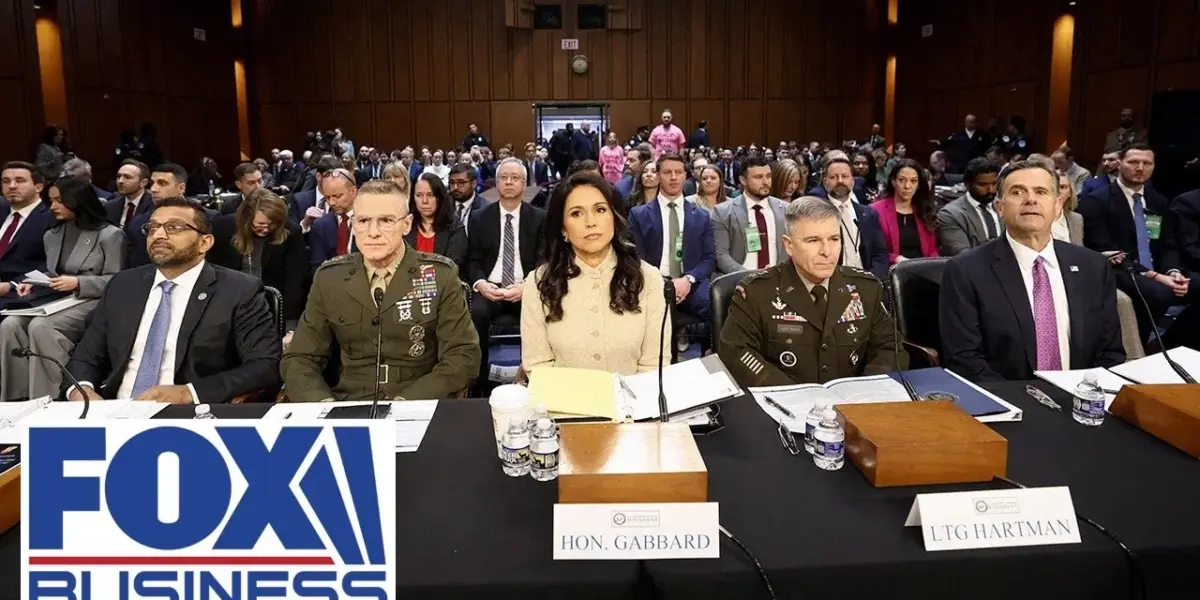
Intelligence Officials Sound Alarm on Global Threats
Former intelligence leaders warned Congress this week about a range of worldwide dangers that could impact U.S. national security. The House Permanent Select Committee on Intelligence held a hearing to discuss the annual assessment of these threats.
Witnesses included former Director of National Intelligence John Ratcliffe and former acting U.S. Secretary of Defense Christopher Miller. Their testimony highlighted concerns about both foreign adversaries and emerging technological challenges. The hearing aimed to provide lawmakers with a clear picture of the risks facing the nation.
Key Threats Discussed
China’s Growing Influence
A significant focus of the hearing was the increasing global influence of China. Officials expressed concerns about China’s military expansion and its technological advancements. They noted that China’s actions pose a long-term challenge to American interests around the world.
The testimony suggested that China is actively working to reshape the international order to its advantage. This includes efforts to gain economic and political leverage in various regions. Lawmakers were urged to consider these developments when shaping foreign policy and defense strategies.
Russia’s Continued Aggression
Russia’s actions, particularly its ongoing conflict in Ukraine, were also a major topic. The hearing touched on the potential for further instability caused by Russian aggression. Officials stressed the importance of understanding Russia’s objectives and its impact on global security.
The testimony implied that Russia remains a significant threat, capable of disrupting international stability. The economic and political consequences of its actions were discussed in relation to U.S. foreign policy.
Emerging Technologies and Cyber Risks
Beyond traditional geopolitical threats, the committee examined the dangers posed by new technologies. This included concerns about artificial intelligence (AI) and cyber warfare. Officials warned that adversaries could use these tools to undermine U.S. security and infrastructure.
The rapid development of AI presents both opportunities and risks. The intelligence community is working to understand how these technologies can be weaponized. Cyber threats, in particular, are seen as a constant and evolving danger to government and private sector systems.
Other Global Hotspots
The hearing also touched upon other areas of concern, including Iran’s nuclear ambitions and the potential for instability in other regions. These issues represent complex challenges that require careful monitoring and strategic responses from U.S. policymakers.
Market Impact
While this hearing focused on national security threats, such discussions can indirectly influence financial markets. Increased geopolitical tensions or the perception of rising global instability can lead to market volatility. Investors often react to news that suggests potential disruptions to trade, supply chains, or economic growth.
For example, heightened tensions with major economic powers like China could lead to uncertainty about future trade relations. This uncertainty might affect companies with significant international operations or those reliant on global supply chains. Similarly, conflicts in key regions can impact energy prices and investor confidence.
What Investors Should Know
Understanding the global threat landscape is crucial for investors. Geopolitical risks are a real factor that can affect investment portfolios. While the hearing did not provide specific market predictions, it underscored the complex world in which businesses and investors operate.
Investors should stay informed about international relations and potential flashpoints. Diversifying investments across different asset classes and geographic regions can help mitigate risks associated with global events. A long-term investment strategy that accounts for these broader trends is often more resilient.
Long-Term Implications
The threats discussed have long-term implications for economic policy, defense spending, and international trade. Changes in these areas can create both challenges and opportunities for various industries. Companies that are adaptable and can navigate a changing global environment may be better positioned for future success.
The intelligence provided in such hearings helps shape government policy, which in turn can influence the business environment. Investors who pay attention to these shifts can make more informed decisions about where to allocate their capital over time.
Source: WATCH LIVE: Gabbard, Patel, Ratcliffe testify on worldwide threats (YouTube)

Related Articles


Iran Targets US With Cyberattacks, Escalating Digital Warfare
Iran is increasingly using cyberattacks to challenge the U.S., as seen in a recent hack of the FBI director's account. Experts say this is a strategic shift due to Iran's limitations in conventional warfare. The U.S. needs to strengthen its digital defenses, focusing on encryption and cloud computing, rather than solely relying on traditional security measures.

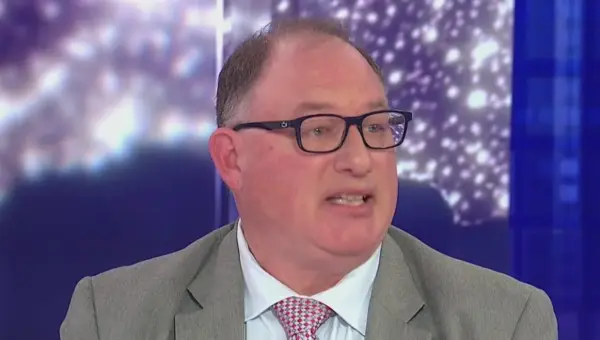
Iran Hacks FBI Chief, Exposing U.S. Cyber Vulnerabilities
A recent hack of FBI Director Kash Patel's personal email by an Iran-linked group highlights Iran's growing cyber threat to the U.S. Experts explain how simple security oversights are exploited, emphasizing the need for basic defenses like two-factor authentication to protect against propaganda and potential infrastructure attacks.

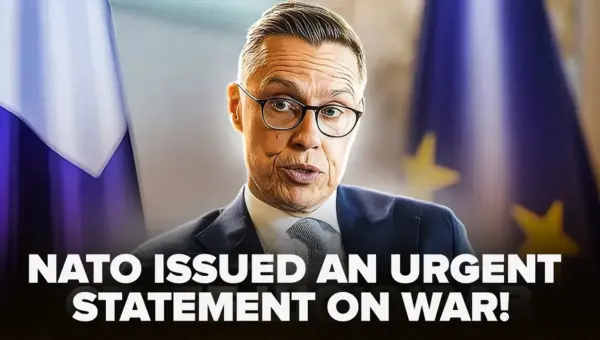
Ukraine Strikes Russian Oil Refinery, Eyes Iran Threat
Ukrainian forces struck a key Russian oil refinery, disrupting Moscow's war capabilities. Meanwhile, Finland's president urged continued U.S. support for Ukraine, as Kyiv shares its air defense expertise globally amid growing geopolitical complexities involving Iran and potential sanctions against Hungary.