US Forces Strike Over 7,000 Iranian Targets in ‘Epic Fury’ Operation
The U.S. military has launched Operation 'Epic Fury,' striking over 7,000 Iranian targets to neutralize its missile capabilities, naval forces, and industrial base. Officials emphasized the decisive and precise application of force, aiming to prevent Iran from acquiring nuclear weapons and ending its state-sponsored terrorism.

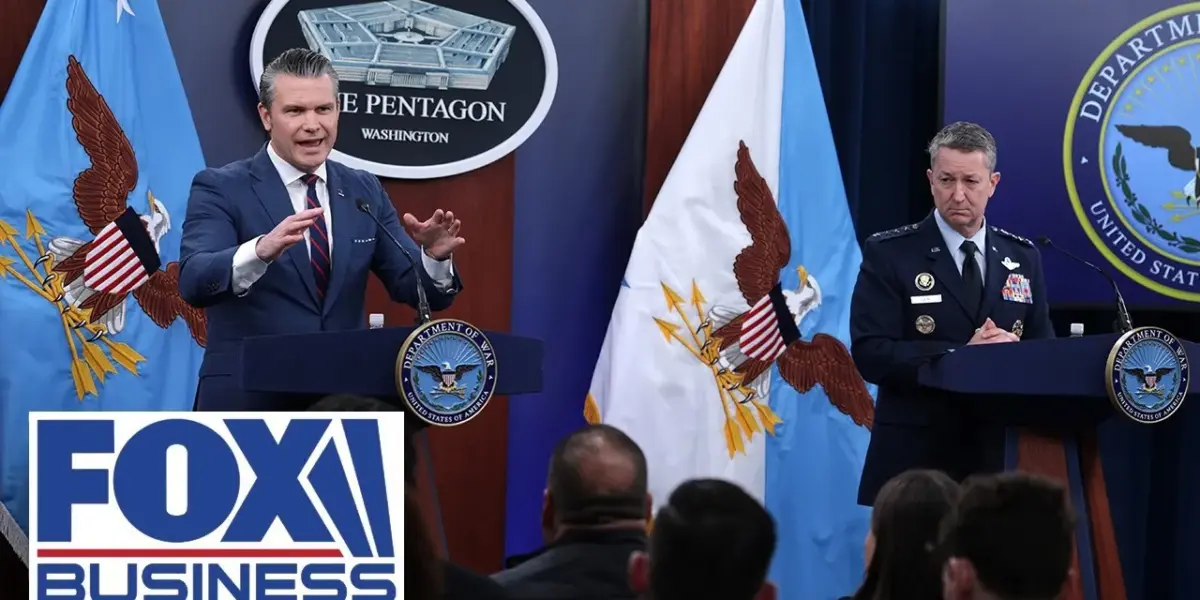
US Forces Strike Over 7,000 Iranian Targets in ‘Epic Fury’ Operation
The United States military has launched a significant offensive against Iran, targeting its missile capabilities, naval forces, and industrial base. Dubbed ‘Epic Fury,’ the operation aims to neutralize Iran’s ability to develop nuclear weapons and fund terrorism. Officials report striking over 7,000 targets, marking a decisive application of overwhelming force.
Heroes Honored Amidst Ongoing Conflict
The operation’s gravity was underscored by a somber ceremony at Dover Air Force Base, where President Trump, alongside military leaders, honored fallen service members. Flag-draped caskets returned home, a stark reminder of the sacrifices made. Families expressed a unified sentiment: ‘Finish this. Honor their sacrifice. Do not waver.’ Military leaders pledged to see the mission through, vowing to honor the fallen by neutralizing the threats they died confronting.
‘Epic Fury’ Targets Key Iranian Military Assets
Operation ‘Epic Fury’ is described as laser-focused and decisive, with objectives set by President Trump remaining unchanged since day one. These goals include destroying Iran’s missile launchers, its defense industrial base, and its navy, thereby preventing it from acquiring nuclear weapons. Unlike previous conflicts, this operation is characterized by its precision and overwhelming application of force.
Officials detailed the scope of the strikes:
- Over 7,000 targets struck across Iran and its military infrastructure.
- Hundreds of Iran’s defense industrial bases, including factories producing missiles and drones, have been destroyed.
- Iran’s ability to manufacture new ballistic missiles has been severely degraded.
- Ballistic missile attacks and one-way attack UAVs (unmanned aerial vehicles) against U.S. forces have dropped by 90%.
- Over 120 Iranian naval vessels have been damaged or sunk.
- Iran’s surface fleet is no longer considered a factor, and its submarine force is gone.
Precision Strikes Target Deeply Embedded Infrastructure
The military is employing advanced weaponry, including 5,000-pound penetrator bombs designed to bypass concrete and rock to reach underground storage facilities. These facilities held coastal defense cruise missiles and other critical equipment. The operation also targets mine storage facilities and naval ammunition depots. Fast attack watercraft and helicopters like the AH-64 Apache are being used to hunt and destroy enemy assets in key waterways.
A New Approach to Long-Range Warfare
The operation highlights the critical role of the U.S. bomber force, including B-1, B-2, and B-52 aircraft. Crews, some in their early to mid-20s, undertake complex missions involving multiple aerial refuelings. These young airmen carry the weight of significant responsibility, meticulously planning and executing strikes with immense focus and professionalism. The dedication of the ground crews, who maintain and arm these aircraft in all weather conditions, is also a vital component of the operation’s success.
Allies and Partners Support the Mission
Cooperation from regional allies and partners is a key aspect of the operation. Israel has been an integral partner from the outset. Gulf States, including the UAE, Qatar, Bahrain, Kuwait, and Saudi Arabia, have significantly stepped up their support, particularly in response to Iran’s aggressive actions. This unified front aims to counter Iran’s destabilizing influence.
Addressing Iran’s State-Sponsored Terrorism
Military leaders emphasized that Iran’s primary industries are state-sponsored terrorism, proxy militias, and ballistic missiles, rather than economic development for its people. This redirection of national resources has fueled internal discontent. The operation seeks to dismantle these capabilities, ending Iran’s 47-year history of terrorizing the United States and its interests, and preventing it from holding the world hostage with nuclear ambitions.
Lessons Learned and Future Operations
The military leadership stressed the importance of being a fast-learning organization. Lessons from every engagement, whether successful or resulting in loss, are being captured and applied across the joint force. This continuous improvement process is crucial for adapting to evolving threats and ensuring the security of U.S. personnel and interests, not only in the current theater but also in potential future conflicts.
Market Impact
The ongoing military operation, ‘Epic Fury,’ represents a significant escalation in geopolitical tensions. The sustained strikes against Iran’s military infrastructure and capabilities are designed to fundamentally alter the regional power balance. Investors will be closely monitoring the effectiveness of these operations in degrading Iran’s offensive capabilities and preventing its nuclear ambitions. The success of ‘Epic Fury’ could lead to a more stable Middle East in the long term, potentially reducing risks for global energy markets and international trade routes. However, the immediate aftermath may see continued volatility as the situation develops. The focus on neutralizing Iran’s missile and drone programs, as well as its naval assets, directly impacts defense contractors and companies involved in energy security. The commitment to ‘win on our terms’ suggests a long-term strategy to address the root causes of regional instability, which could have lasting implications for investment strategies in the defense, energy, and technology sectors.
Source: WATCH LIVE: Hegseth and Gen. Caine provide Epic Fury update from the Pentagon (YouTube)

Related Articles


US Cardinal’s Papal Upset Redraws Vatican Influence
Pope Francis's election defied expectations, including his own, as an American cardinal believed an "American" Pope was unthinkable. The swift conclave surprised many, highlighting the unpredictable nature of papal selections and signaling a potential shift in the Church's global direction.


Mexico Navigates US-China Rivalry
Mexico is caught in a geopolitical tug-of-war between the United States and China. The nation must carefully balance its economic needs and strategic interests with both superpowers. This situation highlights Mexico's growing importance in global affairs.

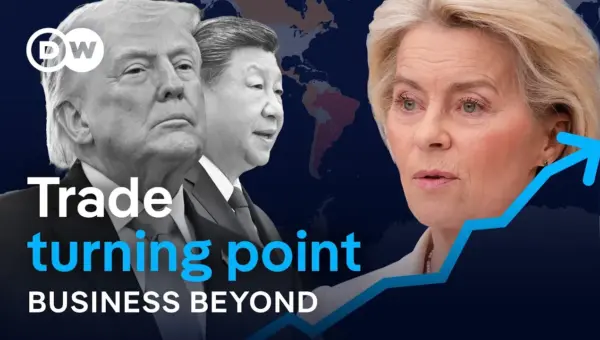
Europe Strikes New Trade Deals, Eyes Global Influence
The European Union is actively forging new trade alliances, notably with South American nations like Brazil, to reduce reliance on China and the US. Driven by the need for critical resources like rare earth metals and the desire to boost its own industries, Europe is making strategic concessions and seeking new markets, despite facing internal criticism and a changing global economic landscape.