Trump’s Wild Claims Signal Deep Mental Decline
Donald Trump's recent statements, including his declaration to 'take Cuba' and fabricated conversations, raise serious concerns about his mental fitness for office. The analysis suggests these remarks are not mere gaffes but symptoms of a deteriorating mental state, potentially necessitating action under the 25th Amendment.

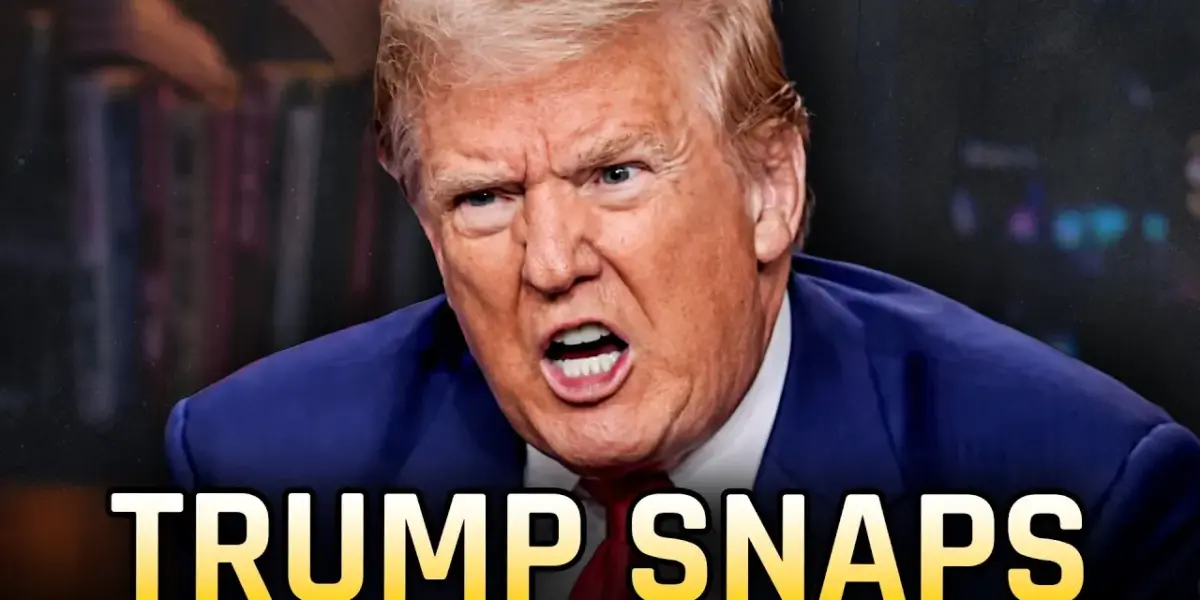
Trump’s Wild Claims Signal Deep Mental Decline
Donald Trump recently made statements so disconnected from reality that they raise serious concerns about his mental fitness. These comments suggest a man increasingly untethered from facts, leading to questions about his ability to function, let alone lead.
The Cuba ‘Takeover’ Remark
One of the most striking statements came when Trump discussed Cuba. When asked by Fox News’ Peter Ducey about the country, Trump declared his intention to “take Cuba.” He added that he doesn’t know what it would look like but feels he has the right to do so.
Trump then made a factually incorrect claim about Cuba not being in a hurricane zone. He said this would be good because they wouldn’t ask the U.S. for hurricane relief money. This statement is demonstrably false. Cuba is located directly in the Gulf of Mexico, a region frequently hit by hurricanes. Anyone living along the Gulf Coast knows Cuba is a key indicator of incoming storms.
He continued, “All my life I’ve been hearing about the United States and Cuba. When will the United States do it? I do believe I’ll have the honor of taking Cuba. That’s a big honor.” Even the interviewer seemed taken aback, asking for clarification: “Taking Cuba?”
‘I Can Do Anything I Want With It’
Trump’s response further fueled alarm. “Taking Cuba in some form, you know, taking Cuba. I mean, whether I free it, take it. I can do anything I want with it,” he stated. He then described Cuba as a “very weak nation with very violent leaders.”
These words echo the language of dictators and expansionist leaders. The phrase “I can do anything I want with it” is particularly concerning. It sounds like something Vladimir Putin might say, not a democratically elected leader. Historically, such rhetoric has preceded international conflict and attempts at regime change.
The speaker in the video argues that such statements, if made by other world leaders (excluding Putin), would typically prompt a strong U.S. response, possibly even military intervention. Hearing these words from a former U.S. president suggests a dangerous disconnect from international norms and democratic principles.
The 25th Amendment Debate
The video suggests these comments are a clear sign that the 25th Amendment of the U.S. Constitution should be considered. This amendment allows for the removal of a president if they are unable to discharge the powers and duties of their office. The argument is that Trump’s alleged mental deterioration makes him unfit for the presidency.
The speaker notes that while Trump has always been unconventional, his current behavior is far more extreme. This is attributed to his brain deteriorating, leading to a lack of self-filter and an inability to control his impulses. The claim is that he cannot be reasoned with or controlled, citing an instance where he ignored advice from generals regarding Iran.
Fabricated Presidential Conversation
Another instance highlighted involved Trump claiming that for “47 years” presidents should have done what he was doing, and that a former president he likes told him, “I wish I did it.” When pressed on which former president said this, Trump refused to name them, saying he didn’t want to embarrass them.
However, representatives for all four living former presidents (Biden, Obama, Clinton, and George W. Bush) stated that their respective former presidents had not spoken to Trump about this matter. This suggests Trump fabricated the conversation entirely.
The Significance of ’47’
The speaker points out the odd specificity of the number “47.” They suggest this isn’t a random figure but relates to Trump himself, as he is often referred to as the 47th president. This fixation on the number might indicate a cognitive issue, where he can only recall or process information tied to his own identity.
The repeated claim is that Trump’s mental state is not just a known issue but is visibly worsening. This decline is presented as a global danger, with the potential for further “insanity” and “destruction” if his mental state continues to deteriorate.
Why This Matters
The analysis centers on the idea that a leader’s mental state directly impacts their decision-making, foreign policy, and the stability of the nation and the world. When a political figure makes demonstrably false statements, expresses erratic intentions, and appears to invent conversations, it erodes trust and creates uncertainty.
The concerns raised are not merely political disagreements but are framed as urgent warnings about a leader’s cognitive function. The potential consequences of such a leader making critical decisions—especially regarding foreign policy and national security—are presented as dire.
Historical Context and Trends
Throughout history, the mental acuity of leaders has been a subject of concern, particularly in times of high international tension. The 25th Amendment was created partly in response to concerns about President Woodrow Wilson’s health after a stroke. Its invocation is a serious constitutional step, reserved for situations where a president is genuinely incapacitated.
The trend discussed is a perceived increase in erratic behavior and outlandish claims from Trump over time. This is linked to aging and potential neurological decline, suggesting a progression from past controversial statements to what is described as a current state of “derangement.” The speaker implies that while Trump’s rhetoric has always been unconventional, it has now crossed a threshold into dangerous territory.
Future Outlook
The outlook presented is bleak, with the assertion that Trump’s mental state is worsening and poses a threat to global stability. The specific mention of Cuba as the next potential target underscores the fear that his pronouncements could translate into dangerous actions. The call for widespread sharing of this information suggests a belief that public awareness is crucial in addressing what is seen as an existential risk.
The core message is that the verifiable lies and deeply concerning statements are not just gaffes or political missteps. Instead, they are viewed as symptoms of a profound mental decline that demands serious attention and action, potentially through constitutional means.
Source: Donald Trump Is A Dangerously Deranged Lunatic (YouTube)

Related Articles

Polls Spell Doom: Republicans Face Voter Backlash
New polling data reveals a sharp decline in public confidence regarding the economic impact of Republican policies, particularly under Donald Trump. A significant majority now feel financially worse off, a trend that is especially pronounced among independent voters. This economic discontent poses a major challenge for the Republican party heading into future elections.


Trump Delays Iran Strike Deadline Amidst Shifting Diplomacy
President Donald Trump has extended his deadline for potential strikes on Iranian energy plants to April 6th, amid reports of U.S.-Iran diplomatic talks mediated by Pakistan. This move comes as Israel continues its strikes on Iran and the U.S. deploys additional military assets to the region. Analysts point to mixed signals, economic pressures, and strategic miscalculations as key factors shaping the evolving situation.
Iran War Claims Ring Hollow as US Troops Injured in New Attack
Days after Donald Trump claimed "we've won" the war with Iran, a new attack injured approximately a dozen U.S. troops and damaged aircraft. This incident contradicts Trump's assertions of victory and raises serious questions about the strategy and reality of the ongoing conflict.