Nothing’s New Phones Look Great, But Are They Good?
Nothing's new Phone 4A and 4A Pro arrive with striking designs and refined software, aiming to be stylish alternatives in the mid-range market. While they don't aim for flagship status, they offer unique features like the Glyph interface and extensive customization at competitive prices.

Nothing Phone 4A and 4A Pro Launch as Stylish Mid-Range Contenders
Nothing is back with two new phones: the Nothing Phone 4A and the Nothing Phone 4A Pro. These devices aim to shake up the budget and upper-mid-range markets with their unique designs and clean software. The 4A starts at €349 and is available in Europe and other select markets, while the 4A Pro begins at $499 in the US. Notably, there’s no standard ‘Nothing Phone 4’ this year, focusing instead on these ‘A’ models.
Design That Turns Heads
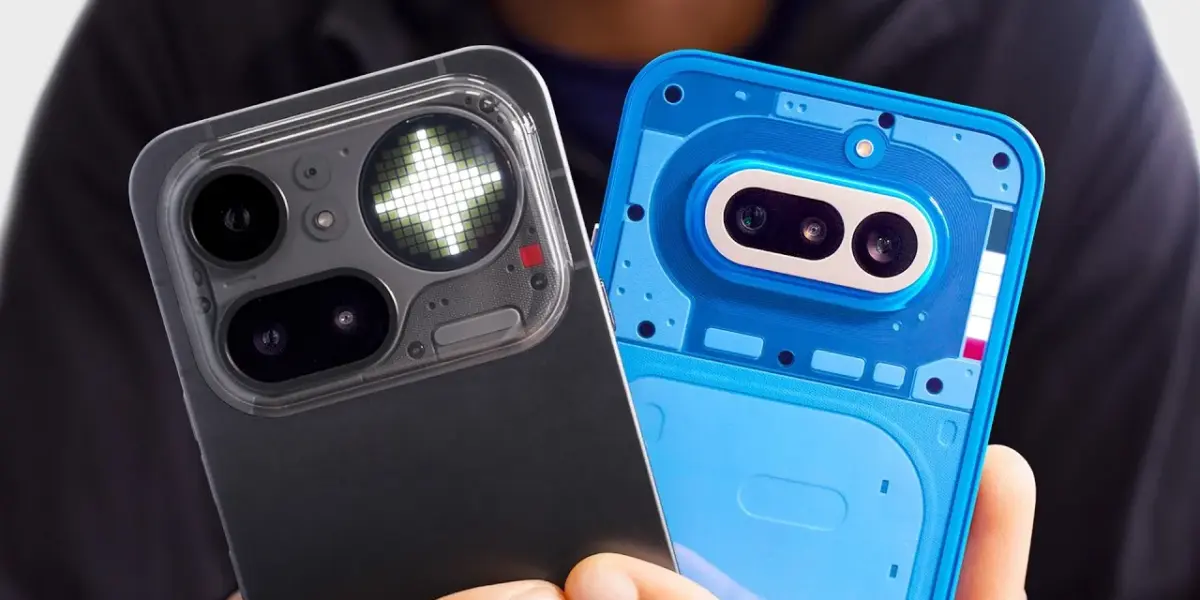
Right out of the box, these phones stand out. The reviewer calls them the best-looking Nothing phones ever made. The 4A, in a vibrant blue, features matte blue sides and a semi-transparent back. You can see classic Nothing branding and interesting textures beneath the plastic. It sports a triple-camera setup, which is more than what some competitors offer. For comparison, the iPhone 17 has a single camera, and the Pixel 10a has dual cameras. The 4A Pro offers a slightly more premium feel with its unibody aluminum construction, giving it a cold metal touch that mimics high-end flagships. Its camera module and the new glyph matrix at the top are housed in a clear cutout, adding to its distinct look.
Software: Smooth, Customizable, and Fun
Running Nothing OS 4.1 on Android 16, these phones offer a smooth and responsive user experience. Even without top-tier processors, Nothing’s software makes them feel fast. They’ve upgraded to UFS 3.1 storage, meaning apps will launch quicker. Beyond speed, Nothing OS adds more home screen customization. You get better control over folder appearances and can now use the ‘Playground.’ This is a community-driven web store where users create custom widgets. Imagine an arcade game that fits in a tiny box on your home screen, or a widget that counts down the time left in the day. The reviewer loves this unique approach, finding himself missing Nothing’s specific home screen features when using other phones.
The Glyph Interface: More Than Just Lights
The signature Glyph interface returns, now featuring a straight bar of seven LED dots on the back of the 4A, with a red dot at the bottom. This light can act as a volume indicator, show progress for notifications like Uber or calendar alerts, or serve as a timer. The red dot also blinks when recording video, a useful visual cue. The 4A Pro takes the Glyph interface further with a pixel-dot-style display. This is a larger, lower-resolution version of what was seen on the Nothing Phone 3. It’s fully customizable, allowing you to display custom icons for specific notifications or contacts. Missed a Slack message? A Slack icon appears on the back. This encourages users to keep their phones face down, only picking them up for important alerts. While some features might seem gimmicky, this functionality is appreciated.
Hardware: Solid for the Price
While not built with the most premium materials, the hardware is perfectly adequate for the price points. The 4A starts with 128GB of storage, which is generous for its cost, especially compared to the $600 Pixel 10a. The build uses a mix of plastic and recycled materials, with Gorilla Glass 7i on the front and an IP64 rating for splash resistance. The 4A Pro steps up with a unibody aluminum build and an IP65 rating, offering slightly better water protection. However, neither phone has wireless charging, a feature often found on more expensive devices.
Performance and Display: Capable, Not Cutting-Edge
The 4A uses a Snapdragon 7S Gen 4 chip, while the 4A Pro boasts a slightly more capable Snapdragon 7 Gen 4. When paired with Nothing’s optimized software and UFS 3.1 storage, these chips deliver a snappy experience that should satisfy most users for everyday tasks and even some light gaming. The displays are LTPS OLED panels with a 120Hz refresh rate on the 4A. The 4A Pro’s display is advertised with a 144Hz peak refresh rate, but in practice, it rarely hits that mark outside of specific games, typically staying at 120Hz. Peak brightness is also slightly higher on the Pro model at 5000 nits compared to 4500 nits on the 4A, but the difference is hard to notice side-by-side.
Cameras: Serviceable, Not Spectacular
Both phones feature a triple-camera system: an 8MP ultrawide, a 50MP main sensor, and a 3.5x telephoto lens. While having three cameras is an advantage over some competitors, the quality is described as perfectly average. Photos are usable, but can sometimes show excessive HDR or noise. Neither phone can shoot 4K video from the ultrawide camera due to the 8MP sensor. The 4A Pro offers a 140x ‘ultra zoom,’ which is essentially a digital crop and doesn’t significantly improve image quality beyond what’s expected.
AI Features: Minimalist Approach
In a market flooded with AI features, Nothing takes a more restrained approach. Their ‘Intelligence Toolkit’ includes an AI wallpaper generator and some ChatGPT widgets. The ‘Essential Space,’ a long-standing feature, is also still accessible via a shortcut button. This minimalist AI strategy might appeal to users who prefer their phones not to be overloaded with artificial intelligence functions.
Why No Flagship? A Strategic Decision
The absence of a high-end flagship this year is a deliberate choice by Nothing. The company believes in making upgrades meaningful and avoids releasing new flagships annually just for the sake of it. More importantly, as a smaller company, Nothing faces higher component costs from suppliers compared to giants like Apple or Samsung. This, combined with rising RAM prices, makes competing in the premium flagship segment difficult. Their previous attempt, the $800 Nothing Phone 3, wasn’t well-received by fans. Instead of trying to build an expensive flagship that might not sell, Nothing is focusing on delivering compelling mid-range devices like the 4A and 4A Pro. The 4A Pro, while offering some upgrades, is seen as more of an ‘up-featured’ version for $150 more, rather than a true ‘Pro’ model, making the standard 4A the more compelling buy for most.
Specs & Key Features
- Nothing Phone 4A:
- Price: Starting at €349
- Processor: Snapdragon 7S Gen 4
- Display: 120Hz OLED
- Battery: 5000+ mAh
- Cameras: 8MP Ultrawide, 50MP Main, 3.5x Telephoto
- Storage: 128GB starting
- Build: Plastic and recycled materials, Gorilla Glass 7i
- Durability: IP64 rated
- Glyph Interface: LED bar with 7 dots
- Software: Nothing OS 4.1 (Android 16)
- AI Features: Minimalist toolkit
- Nothing Phone 4A Pro:
- Price: Starting at $499 USD
- Processor: Snapdragon 7 Gen 4
- Display: 144Hz (theoretical) OLED
- Battery: 5000+ mAh
- Cameras: 8MP Ultrawide, 50MP Main, 3.5x Telephoto
- Storage: 128GB starting
- Build: Unibody aluminum
- Durability: IP65 rated
- Glyph Interface: Pixel-dot style display
- Software: Nothing OS 4.1 (Android 16)
- AI Features: Minimalist toolkit
Who Should Buy These Phones?
These phones are for anyone looking for a stylish smartphone without breaking the bank. If you appreciate unique design, clean software with fun customization options, and don’t need the absolute best camera or the most powerful processor, the Nothing Phone 4A and 4A Pro are strong contenders. The 4A, in particular, offers excellent value at its price point. Users who want a phone that feels different from the sea of generic Android devices will find a lot to like here.
Availability
The Nothing Phone 4A is available starting at €349 in Europe and other select markets. The Nothing Phone 4A Pro starts at $499 USD and is available in the US.
Source: Nothing Phone 4A/Pro Review: I Have a Theory (YouTube)

Related Articles
Nothing’s 4A Series: Transparent Past Meets New Design
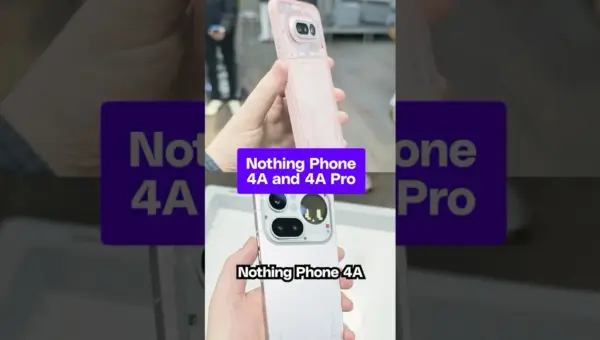
Nothing's latest midrange phones, the 4A and 4A Pro, arrive with a significant design shift for the Pro model, moving away from transparency. The 4A Pro boasts an aluminum unibody starting at $499, while the standard 4A retains the classic clear design and is exclusive to the UK, Europe, and India.


Sora’s Future Uncertain Amidst AI Video Strife
OpenAI's highly anticipated Sora text-to-video model may be facing internal delays, casting doubt on its public release. This comes as competitors rapidly advance their own AI video generation technologies, intensifying the race for AI supremacy in content creation.

PS5 Price Jumps $100, Digital Up $200
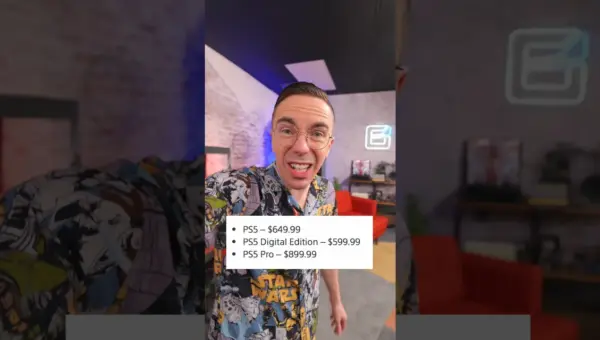
Sony has significantly increased the prices of its PlayStation 5 consoles, with the standard models now costing $100 more and the anticipated PS5 Pro hitting a steep $900. This comes as Sony reports record profits, raising questions for consumers about the necessity of these price hikes.