Iran War Sparks Global Energy Crisis: ‘Worst In History’
The ongoing conflict involving Iran has triggered what experts are calling the 'worst energy crisis in history,' disrupting global oil and gas supplies. Attacks on key infrastructure in the UAE and Qatar, coupled with retaliatory strikes, have raised fears of widespread inflation and economic instability, echoing past global energy shocks.

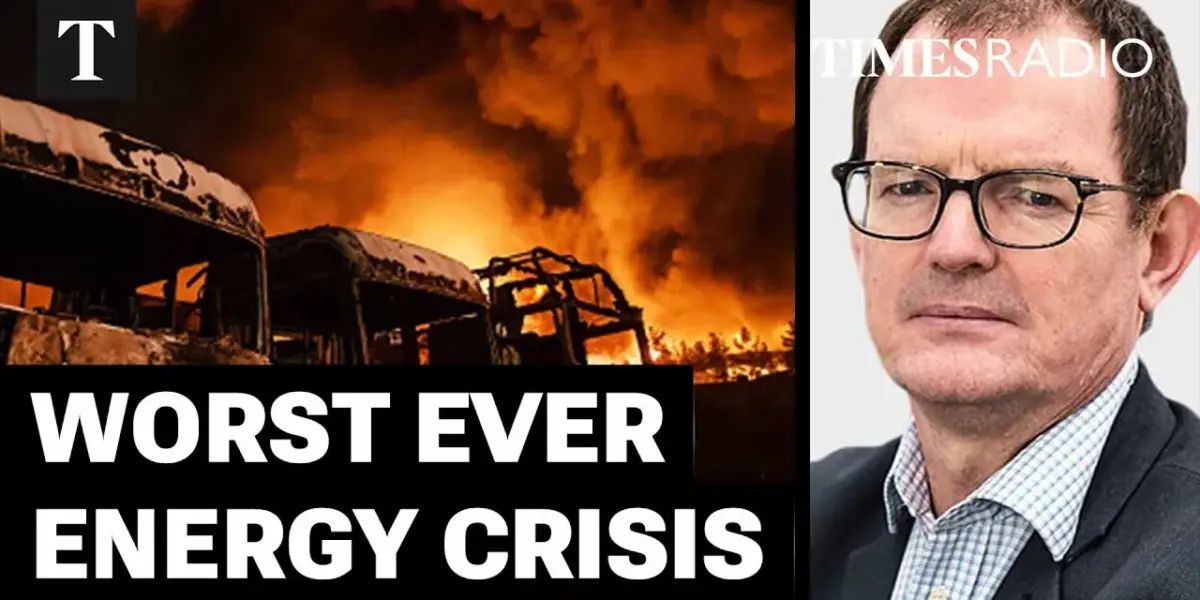
Iran War Triggers Unprecedented Global Energy Crisis
A conflict involving Iran has escalated into what is being called the “worst energy crisis in history,” pushing global energy supplies into uncharted territory. The situation echoes past crises like the 1970s oil shock and the recent turmoil caused by the war in Ukraine, but experts warn the current events could be far more severe. Richard Spencer, The Times’ foreign correspondent, reporting from Doha, Qatar, described the situation as going from bad to worse.
Iran’s Escalating Attacks on Energy Infrastructure
The crisis began with Iran’s attempts to disrupt global energy markets. The first stage involved threats to close the Strait of Hormuz, a vital waterway for oil and gas transport. This was followed by direct attacks on oil and gas facilities, starting this week.
Iran targeted an oil terminal in the United Arab Emirates (UAE) that was specifically built with a pipeline to bypass the Strait of Hormuz. This facility was intended to protect the UAE’s oil supply from such eventualities. Additionally, Iran has attacked other installations in recent days. In retaliation, Israel launched a significant strike on an Iranian field in South Pars.
The United States had previously attacked military installations near Iran’s main oil terminal on Qeshm Island, signaling a clear threat without directly hitting the terminal itself. Overnight, Iran retaliated again by striking a major Liquefied Natural Gas (LNG) terminal in Qatar, located about an hour north of the capital, Doha. This LNG terminal is crucial to Qatar’s economy and plays a significant role in the global energy market.
Qatar’s Response and Global Concerns
Qatar, a key player in the global gas market, is deeply concerned by these developments. The country has invested heavily in technology to convert natural gas into a liquid form for transport via massive tankers, making gas more accessible worldwide. The attacks on its LNG terminal threaten its primary source of wealth and global energy supply.
While Qatar has historically tried to maintain relations with Iran and acted as a mediator, it is now furious with Iran for being targeted. The nation had also cautioned against the war’s initiation. Qatar is reportedly upset with both Israel and the United States for launching the conflict in the first place.
“I think the situation goes from bad to worse… stage one of Iran’s attempt to cause catastrophe in the world’s economy was closing the straits of Hormuz. Stage two is attacks on oil installations and gas installations which it has started to do this week.”
Historical Parallels and Current Differences
The current energy crisis is being compared to the 1973 Yom Kippur War, which led to an oil embargo by Arab nations and triggered massive inflation. However, there are key differences. Unlike the sudden shock of the Russia-Ukraine conflict, nations have had more time to prepare for potential disruptions in the Middle East.
Many countries have been building up their energy inventories. China, a major importer of Gulf oil, has accumulated substantial oil reserves. While China is unlikely to share these reserves, their existence reduces competition for oil on the global market. This may explain why oil prices, while rising to around $110 per barrel, have not reached the predicted $150.
The Role of Donald Trump and Diplomatic Uncertainty
The actions and statements of former U.S. President Donald Trump have added another layer of complexity. Trump initially threatened to disrupt Iran’s gas fields, aiming to deter Iran from attacking energy infrastructure in the Gulf. However, his subsequent public statements, including claiming ignorance of Israel’s strike on Iran and appearing to criticize Israel’s actions, have been seen as erratic and potentially isolating.
Some analysts suggest Trump’s statements might be an attempt to protect Qatar, with whom he has a complex relationship. Qatar has been trying to align itself more closely with Iran to avoid such attacks, and Trump’s intervention could be an effort to shield them from further strikes. His approach seems to suggest a belief that escalating pressure on Iran would lead to a swift deal, a strategy that now appears flawed given Iran’s long-term perspective on the conflict.
Broader Implications and Future Outlook
The conflict is seen by Iran not as a short-term dispute but as an existential threat. This long-term view contrasts with a potentially simplistic approach from leaders like Trump, who may have expected a quicker resolution. The lack of a clear diplomatic “offramp” – a way to de-escalate and disentangle from the conflict – is a significant concern raised by observers, including the British government.
The ongoing instability in the Middle East poses a direct threat to global energy security. As the conflict continues without a clear end in sight, the potential for further escalation and more severe economic consequences remains high. The world is watching closely to see if diplomatic solutions can be found to prevent the energy crisis from worsening.
Source: Iran War Has Caused 'Worst Energy Crisis In History' | Richard Spencer (YouTube)

Related Articles


Tiger Woods Arrested for DUI After Crash
Golf legend Tiger Woods was arrested for DUI in Florida following a dramatic rollover crash. Meanwhile, a government shutdown continues as House Republicans block a Senate deal, leading to airport chaos and TSA worker pay issues. The stock market also plummeted into correction territory amid fears of a prolonged Iran conflict.

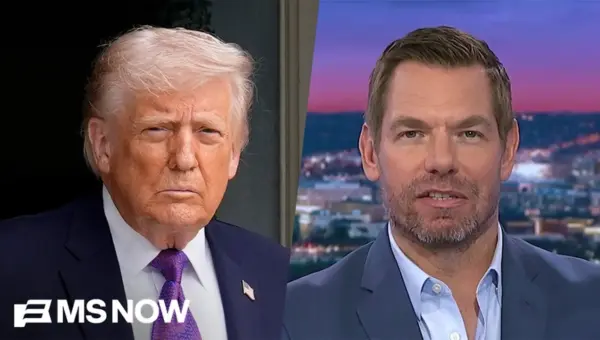
Trump’s Iran War Plans Criticized Amid Border Funding Standoff
Lawmakers and analysts are criticizing the Trump administration's handling of the Iran conflict and its approach to border funding, arguing that a lack of clear planning and a focus on political battles are making the U.S. less safe. Concerns are particularly high regarding the FBI's priorities and the potential impact of these issues on national security.
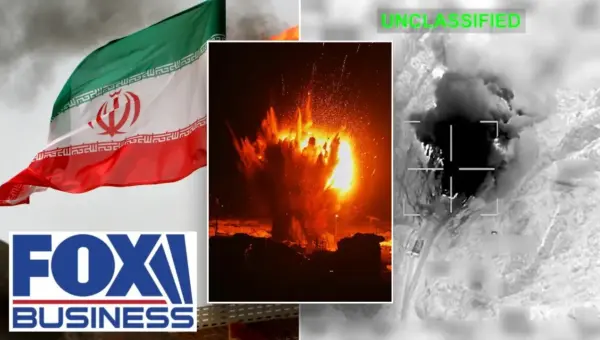
Iran Tensions Send Oil Prices Soaring; Farmers Seek Relief
Escalating tensions with Iran are driving oil prices higher, while U.S. troop deployments to the Middle East increase. Meanwhile, American farmers are receiving relief from rising costs through regulatory changes and support measures, as devastating wildfires impact Nebraska's cattle industry.