Powell Stays Amid Probe, Oil Spikes Threaten Growth
Federal Reserve Chair Jerome Powell will remain in his role until a successor is confirmed, despite an ongoing probe. Meanwhile, oil prices have surged past $115 a barrel, raising concerns about inflation and economic growth.

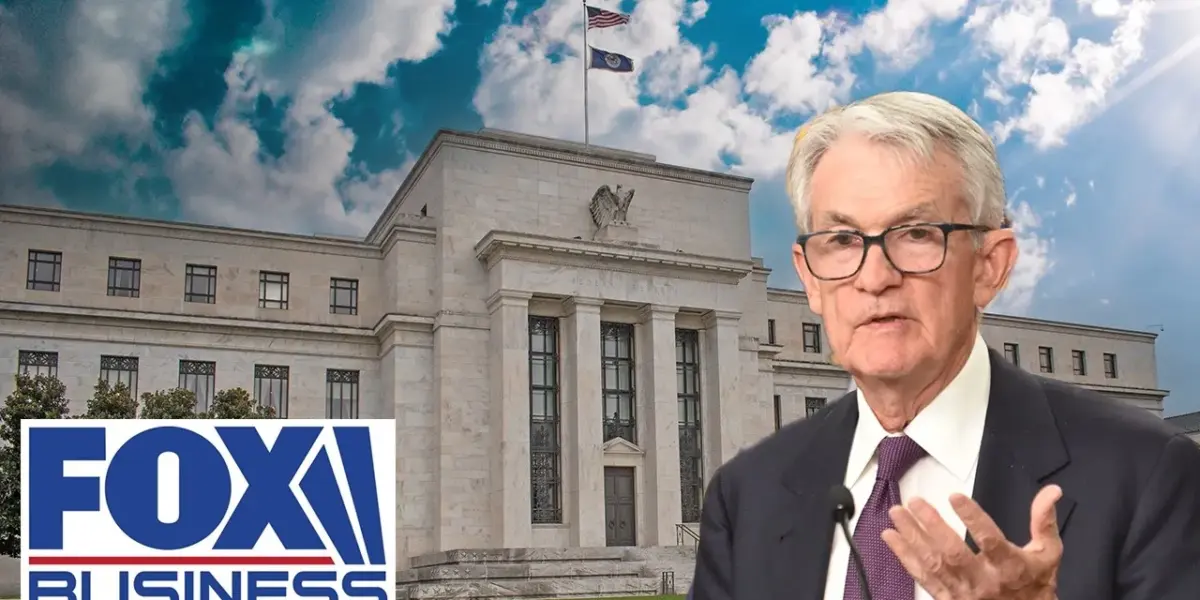
Powell Signals No Exit Amid Probe; Oil Surge Rattles Markets
Federal Reserve Chairman Jerome Powell has stated he has no intention of leaving his post until a successor is confirmed, even as an investigation into his conduct continues. This stance comes as oil prices surge to over $115 a barrel due to Middle East tensions, adding another layer of uncertainty to an already fragile economic outlook.
Market Reaction to Powell’s Statement
The Dow Jones Industrial Average fell over 750 points yesterday, with the S&P 500 and Nasdaq also experiencing significant declines. The market’s reaction highlights investor concern over the ongoing probe and its potential impact on Federal Reserve leadership. Powell’s term as Chairman officially ends May 15th. However, he can remain on the Fed’s Board of Governors until early 2028. His decision to stay on as Chair Pro Tempore, if a successor isn’t confirmed, is an unusual move driven by the current circumstances.
“If my successor is not confirmed by the end of my term I would serve as Chair Pro Temp until he is confirmed. That is what the law calls for.” – Jerome Powell
This situation has created a political logjam. Senator Kevin Cramer noted that the confirmation hearing for Kevin Warsh, a potential nominee for Fed Chairman, is on hold. This pause is directly linked to the ongoing investigation into Powell and the stance taken by Senator Thom Tillis, who is reportedly withholding support for Warsh’s advancement until the probe is resolved. Democrats, according to Cramer, have little incentive to break the deadlock without Republican support.
Economic Headwinds: Inflation and Oil Prices
Adding to market jitters, crude oil prices have spiked dramatically. Brent crude briefly topped $115 a barrel following attacks on energy facilities in the Middle East. This surge in oil prices, even with a hotter-than-expected Producer Price Index (PPI) report, has not yet fully impacted the economy. However, analysts warn that the effects will likely be felt in April, potentially damaging the economic growth the U.S. has enjoyed.
The Federal Reserve has been working to bring inflation down to its 2% target. Last year, interest rate cuts were implemented not only to combat inflation but also because rates were seen as restrictive. Now, with shocks like tariffs and the current oil price spike, the path back to the 2% inflation goal becomes more challenging. Each event that pushes the Fed off track raises concerns about persistently elevated inflation. This makes the prospect of future interest rate cuts, which were anticipated, much more difficult.
The market’s reaction to the oil price surge is mixed. While nearby futures are affected, broader futures markets show less concern, suggesting a belief that the current situation might be short-lived. This contrasts with past events, like the Russia-Ukraine conflict, which saw a more widespread and sustained rise in oil futures.
What Investors Should Know
Investors are facing a complex environment. The uncertainty surrounding Federal Reserve leadership, coupled with rising energy costs, presents significant challenges. The Fed’s ability to manage inflation and support economic growth is under scrutiny. The potential for sustained higher inflation could delay or even halt anticipated interest rate cuts, impacting borrowing costs and corporate earnings across various sectors.
The geopolitical tensions in the Middle East are a key factor to monitor. Any further escalation could lead to continued upward pressure on oil prices, with ripple effects throughout the global economy. Companies heavily reliant on energy, such as transportation and manufacturing, may face increased operational costs. Consumers could also feel the pinch through higher gasoline prices and potentially increased costs for goods and services.
The political standoff regarding Fed leadership adds another layer of uncertainty. A stable and confirmed leadership at the Federal Reserve is crucial for maintaining market confidence and effectively implementing monetary policy. The ongoing delay in confirming a new Chair could hinder the Fed’s ability to respond decisively to economic challenges.
Looking ahead, investors will be closely watching the Federal Reserve’s upcoming statements and actions, as well as developments in the Middle East. The interplay between inflation, oil prices, and monetary policy will be critical in shaping market performance in the short to medium term.
Source: 'NO INTENTION OF LEAVING': Powell REFUSES to step down amid escalating probe (YouTube)

Related Articles

Iran Missile Strikes Injure US Troops, Raise War Concerns
Iranian missile strikes have injured U.S. service members, escalating tensions as the conflict nears one month. The attacks are raising concerns about the effectiveness of U.S. military strategy and the depletion of crucial missile stockpiles. Global oil prices have surged, impacting economies worldwide.


Strait of Hormuz Blockade: Insurance Costs Soar, Ships Stuck
The Strait of Hormuz remains largely blocked despite Iran's claims of openness, with soaring insurance costs acting as a major deterrent for ships. Skyrocketing premiums, from less than 1% to potentially 7.5% of a vessel's value, make transit financially unviable for many. This situation impacts global oil prices and the broader economy, highlighting the complex interplay of geopolitical tensions, insurance markets, and international trade.

Iran Tensions Send Oil Prices Soaring; Farmers Seek Relief
Escalating tensions with Iran are driving oil prices higher, while U.S. troop deployments to the Middle East increase. Meanwhile, American farmers are receiving relief from rising costs through regulatory changes and support measures, as devastating wildfires impact Nebraska's cattle industry.