Ukraine Hits Russian Aircraft Plant, Drone Hub
Ukraine has reportedly struck Russia's Aviastar aircraft plant and a key drone technology center. These actions, alongside battlefield gains and international cooperation, aim to disrupt Russian operations and leverage Ukraine's expertise. Concerns remain over potential missile shortages due to global conflicts.

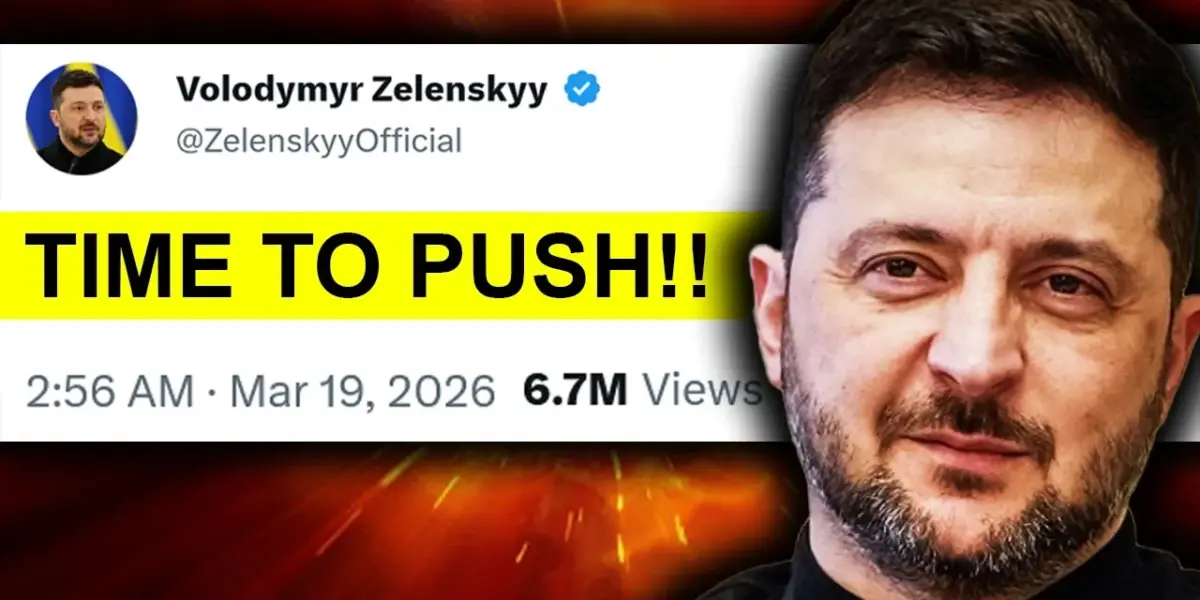
Ukraine Strikes Key Russian Aircraft Plant, Drone Network
Recent actions by Ukraine appear to be disrupting Russia’s military capabilities on multiple fronts. Reports indicate Ukrainian forces have struck a significant aircraft production facility deep inside Russia and targeted a crucial center for drone technology in occupied territory. These developments, coupled with Ukraine’s ability to make battlefield gains and its growing role in international security, suggest a complex and evolving conflict.
Strike on Aviastar Aircraft Plant
Ukraine reportedly struck the Aviastar aircraft plant near Ulyanovsk. This facility is vital for Russia’s air transport and refueling capabilities. It is known for producing the Il-76MD-90A military transport aircraft and the Il-78M-90A aerial refueling aircraft. The plant also services heavy cargo planes like the An-124 Ruslan. Ukrainian officials stated that early reports showed damage to a hangar and aircraft parking areas. Aircraft on site also sustained varying degrees of damage. This strike targets Russia’s ability to move troops and equipment, impacting its logistics and overall war effort.
Targeting the Rubicon Drone Network
In another significant operation, Ukraine’s Special Operations Forces claim to have hit the Rubicon unmanned technologies center in occupied Donetsk. This strike, occurring on the night of March 17-18, also targeted ammunition depots and component storage sites near Vilne. The Rubicon center is described as a secret facility for developing and managing drone technology. Drones are increasingly critical for reconnaissance, targeting, and communication in modern warfare. By striking this center, Ukraine aims to disrupt the systems that make Russian drone operations more effective. This action is part of a broader strategy to interfere with Russia’s command and control and its ability to sustain offensive operations.
Battlefield Narrative vs. Reality
While Russian officials, including Valery Gerasimov, have claimed significant territorial gains, independent assessments suggest a more contested battlefield. Gerasimov stated that Russian forces had captured 12 settlements in early March. However, the Institute for the Study of War (ISW) found evidence for the seizure of only two settlements during the same period. ISW also noted that Russian claims about control in areas like Kostiantynivka appeared to be significantly overstated. For instance, Gerasimov claimed over 60% control of Kostiantynivka, while ISW’s observations indicated Russian operations covered only about 7.85% of the city.
Furthermore, ISW reports that Ukrainian advances in Dnipropetrovsk Oblast are hindering Russian offensive operations in the Oleksandrivka direction. This is forcing Russia to redeploy its forces and reserves. Ukrainian President Volodymyr Zelensky has also stated that Ukraine has disrupted Russia’s planned March offensive, leading to a decrease in assault intensity. These battlefield dynamics indicate that Russia’s claimed momentum may not reflect the on-the-ground reality.
Rare Ukrainian Advance
Despite the challenges, Ukraine has reported a rare advance on the southeastern front. The Financial Times described this operation as occurring within a “kill zone,” a heavily contested area. Ukrainian officials claimed the liberation of up to 435 square kilometers of territory. Other analysts provided more conservative estimates, suggesting a net gain of around 37 square kilometers when accounting for Russian gains elsewhere. This advance demonstrates Ukraine’s continued capability to seize ground under difficult conditions. It also shows that the front line remains contested and that Ukraine can adapt its tactics, utilizing elite mobile units and its growing drone production.
Missile Shortage Concerns
President Zelensky has raised concerns about a potential missile shortage for Ukraine. He warned that the ongoing conflict in the Middle East could draw resources away from Ukraine’s needs. Zelensky noted that Gulf states have used more advanced air-defense missiles recently than Ukraine has received from the United States in the past four years. He also cited the large number of drones and missiles used in recent Russian assaults, urging NATO allies to increase missile production. This situation highlights the critical need for sustained Western support and highlights the challenge of competing global demands for air defense resources.
Ukraine Leverages Expertise Internationally
In a strategic shift, Ukraine is beginning to leverage its combat experience internationally. President Zelensky announced that over 200 Ukrainian military experts are in the Gulf region and the wider Middle East, assisting governments in defending against Iranian drone attacks. These teams are reportedly active in countries like Saudi Arabia, Qatar, and the United Arab Emirates. Ukraine aims to turn its years of experience fighting drone threats into a model for strategic partnerships. This initiative allows Ukraine to move from being solely a recipient of aid to becoming a provider of security expertise and technology. Zelensky has indicated that Ukraine seeks financial and technological support in return for this cooperation.
Limited Impact of Rising Oil Prices
While the Middle East conflict has led to a rise in oil prices, its benefit to Russia’s war effort may be limited. Lieutenant General Alexander Sollfrank, head of Germany’s Joint Force Command, stated that while higher oil prices offer Russia some advantage, they are unlikely to be a decisive factor. He noted that increased energy revenue can ease financial pressure but does not automatically resolve industrial bottlenecks or logistical problems. Reuters reported a 45% jump in oil prices since February 28, but this increase does not necessarily translate into a strategic reset for Russia.
Export Challenges for Russian Oil
Despite higher prices, Russia faces significant challenges in exporting its oil. Drone attacks on export infrastructure and adverse weather conditions are hindering physical exports. Although demand for Russian oil has seen interest from Asian countries, and Chinese state oil majors have resumed seeking Russian crude, the logistics are problematic. Oil loadings from Russia’s main western ports, including Primorsk, Ust-Luga, and Novorossiysk, could fall below planned levels in March. Russia’s crude oil and refined product exports in February had already reached their lowest level since the start of the war in 2022. Disruptions at the Novorossiysk port, due to drone pressure and weather, could significantly reduce export volumes. This highlights that even with favorable pricing, Russia’s ability to convert those prices into actual export revenue is hampered by infrastructure reliability and ongoing attacks.
Strategic Implications
The recent Ukrainian strikes on the Aviastar plant and the Rubicon drone center represent a significant shift in the conflict’s dynamics. By targeting critical industrial and technological infrastructure, Ukraine is increasing the cost and complexity of Russia’s war effort. These actions aim to degrade Russia’s long-term military capacity and disrupt its operational planning. The battlefield situation, as assessed by ISW, suggests that Russia’s claimed advances may be exaggerated, and Ukraine’s ability to conduct counterattacks and limited advances forces Russia to expend valuable reserves. The international dimension, with Ukraine exporting its anti-drone expertise while facing potential missile shortages, adds another layer of complexity. This multifaceted approach by Ukraine, combining battlefield adaptation, industrial targeting, and geopolitical maneuvering, aims to alter the strategic trajectory of the war.
Source: Ukraine ADVANCES Inside "Kill Zone" — Something Crucial for the Russia's Air Force Got Destroyed. (YouTube)

Related Articles

US Strikes Cripple Iran’s Military Might, CENTCOM Reports
U.S. Central Command reports ongoing strikes inside Iran are significantly weakening its military power. This direct action aims to reshape regional security dynamics, but carries risks of escalation. The long-term impact depends on Iran's response and ability to adapt.

Ukraine Strikes Russian Oil Refinery, Eyes Iran Threat
Ukrainian forces struck a key Russian oil refinery, disrupting Moscow's war capabilities. Meanwhile, Finland's president urged continued U.S. support for Ukraine, as Kyiv shares its air defense expertise globally amid growing geopolitical complexities involving Iran and potential sanctions against Hungary.


Trump Halts Iran Strikes Amid Stalled Diplomacy
President Trump announced a pause on planned strikes against Iran, citing productive talks, though Iran denies negotiations occurred. Reports also suggest a potential U.S. ground operation on Iran's Hark Island. The situation raises concerns about international support for Ukraine and potential shifts in U.S. foreign policy.