Billions Wasted: Taxpayers Question Government Spending
Taxpayers are increasingly frustrated by government waste, fraud, and abuse, questioning the value of their tax dollars. Reports of billions lost annually are fueling public skepticism and influencing voter sentiment. This growing concern highlights a disconnect between political strategies and the public's desire for responsible fiscal management.

Billions Wasted: Taxpayers Question Government Spending
A growing chorus of concern is rising from taxpayers who question where their hard-earned money goes. Recent reports highlight significant issues of waste, fraud, and abuse within government spending, sparking frustration among everyday Americans. This sentiment is echoed by both Republican lawmakers and, notably, some Democratic voters who feel their tax dollars are not being used effectively.
Concerns Over Value and Efficacy
For many, there’s a disconnect between the money governments ask to raise through taxes and the actual value it provides to citizens. Politicians often struggle to connect tax increases to tangible benefits for taxpayers. This has led to public skepticism, with many doubting that the money collected will be spent wisely or achieve any meaningful results.
In an effort to address these concerns, some local governments, like those in Silicon Valley, have created dashboards to track spending. However, the scale of the problem suggests these efforts may be insufficient. Watchdog groups estimate that hundreds of billions of dollars are lost annually to fraud and waste, particularly in states like California.
Calls for Accountability
The issue has gained national attention, with public figures like Jon Stewart calling out politicians over wasteful government spending. He highlights the frustration of taxpayers who diligently send their money to Washington each April, only to question if it’s truly benefiting them. When figures like $500 billion in annual healthcare fraud are reported by the Government Accountability Office (GAO), basic questions arise: why are taxes being paid if funds are lost to fraud or scandals, such as the large Somali scandal in Minnesota?
The problem has become so significant that even some Democrats and members of the media are beginning to question the current system. While the mainstream media has not always focused on this issue, there’s a noticeable shift towards more scrutiny of government spending practices.
Voter Dissatisfaction and Political Divide
Recent analyses suggest that many voters are unhappy with the direction of the Democratic Party, perceiving it as having moved too far to the left. Polls indicate that voter approval for the Democratic Party is low, with only Iran being less popular among U.S. voters. This dissatisfaction is often linked to policies perceived as involving overspending.
Many Democrats themselves would prefer their politicians to hold more moderate views. This growing discontent is reflected in polling data, as voters express dislike for what they see as wasteful spending of their tax money. They also appear to reject other policies associated with the party, such as open borders, and specific scandals that have drawn public attention.
Political Strategy vs. Public Will
Despite this public rejection of certain policies and the concerns over spending, the Democratic Party in Washington seems to be clinging to its current platform. This strategy appears to be driven by a belief that these positions will help them win upcoming Democratic primaries. However, the consequence of this approach is that the American people are left bearing the financial burden of perceived mismanagement and waste.
Market Impact
While this issue is primarily political, significant government waste and fraud can have economic consequences. Large-scale fraud can distort markets and lead to inefficient allocation of resources. When taxpayer money is misspent, it represents a loss of potential investment in infrastructure, education, or innovation, which could otherwise boost economic growth. Furthermore, persistent concerns about government spending and fiscal responsibility can influence investor confidence and potentially impact interest rates and the overall stability of the economy.
What Investors Should Know
Investors should pay close attention to government spending policies and the public’s reaction to them. High levels of government debt and concerns about fiscal discipline can create long-term economic risks. While direct investment advice is not being given, understanding the political climate surrounding government spending is crucial for assessing the broader economic environment. Events that lead to increased government borrowing or perceived fiscal irresponsibility can affect market sentiment and the performance of various asset classes. Keeping informed about these developments can help investors make more educated decisions in a dynamic financial landscape.
Source: Voters DO NOT want ‘waste, fraud and abuse’: GOP lawmaker (YouTube)

Related Articles
Polls Spell Doom: Republicans Face Voter Backlash
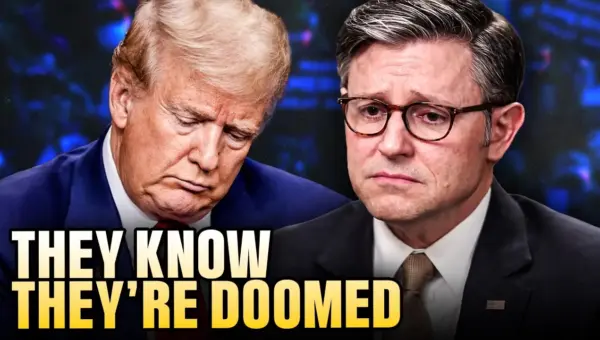
New polling data reveals a sharp decline in public confidence regarding the economic impact of Republican policies, particularly under Donald Trump. A significant majority now feel financially worse off, a trend that is especially pronounced among independent voters. This economic discontent poses a major challenge for the Republican party heading into future elections.
Red States Face Tax Dilemma as Voters Demand Services
Voters in Republican-led states are signaling a change in priorities, indicating they'd rather pay higher taxes for essential services like roads and schools than continue with tax cuts. This marks a significant shift from decades of anti-tax rhetoric and presents a new challenge for politicians.

California Faces $170M Fraud Allegations Amid Medicaid Woes
Independent journalist Nick Shirley alleges California faces over $170 million in fraud linked to its daycare and hospice programs. These revelations follow his prior investigation into significant Medicaid fraud in Minnesota, highlighting a potential nationwide issue.