Trump Warns NATO on Strait of Hormuz
Donald Trump has warned NATO allies that they face consequences if they do not assist the U.S. in securing the Strait of Hormuz. Key allies like the UK and Italy have reportedly refused participation, raising questions about NATO's future engagement. Meanwhile, Russia appears to benefit from rising oil prices, while the Kremlin rejects European involvement in Ukraine peace talks.

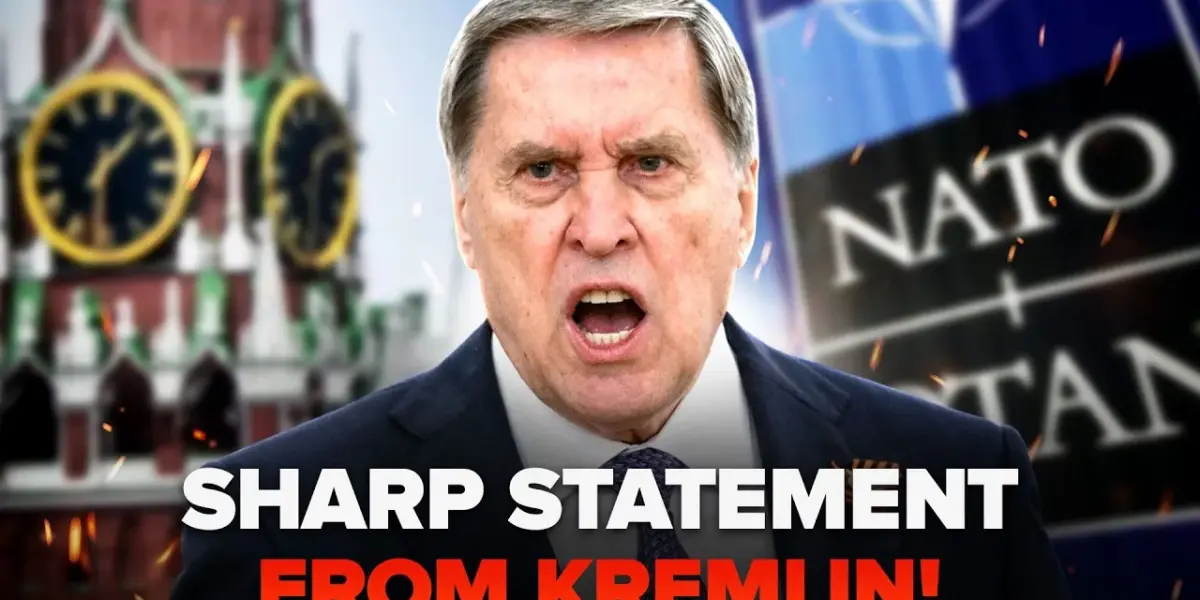
Trump Issues Stark Warning to NATO Over Strait of Hormuz
Former President Donald Trump has issued a stern warning to NATO allies, threatening severe consequences if they do not assist the United States in ensuring safe passage through the Strait of Hormuz. Trump reminded the alliance members that he had previously aided Ukraine when they requested help. He noted that now, when the U.S. needs support for a critical maritime chokepoint, some key allies are unwilling to reciprocate.
Key Allies Refuse Joint Operation
Reports indicate that the United Kingdom has already declined to participate in efforts to secure the Strait of Hormuz. Italy has also expressed no intention of taking part in such an operation. Trump has stated he will remember these decisions, signaling a potential shift in U.S. engagement with the alliance based on reciprocal support.
Strategic Importance of the Strait of Hormuz
The Strait of Hormuz is a vital global energy transit point, located between the Persian Gulf and the Gulf of Oman. Approximately 30% of the world’s oil traded by sea passes through this narrow waterway. Ensuring its security is paramount for global economic stability, as disruptions can lead to significant spikes in oil prices and supply chain issues.
Trump’s “America First” Doctrine and NATO
Trump’s approach emphasizes prioritizing U.S. national interests. He views NATO as valuable only if it directly benefits the United States. This current situation is seen as a crucial test for the alliance’s cohesion and its ability to respond to U.S. requests. While a complete U.S. withdrawal from NATO seems unlikely, Trump’s administration may show diminished interest in alliance matters if the support he seeks is not provided.
China Trade Talks and Potential Summit Postponement
In parallel, Trump has also threatened to postpone his summit with Chinese President Xi Jinping if China does not assist with the Strait of Hormuz situation. Ongoing trade negotiations between the U.S. and China have reportedly shown little progress. The U.S. side noted the Chinese delegation’s efficient departure after sessions, with no press briefings scheduled during the talks.
Geopolitical Significance of U.S.-China Relations
The potential meeting between Trump and Xi Jinping is significant for global trade and diplomacy. China is currently in a period of internal preparation, with President Xi Jinping expected to secure his position for another term and China celebrating the 100th anniversary of its army in 2027. This internal focus may make China less inclined to take immediate, decisive actions on international issues.
Russia’s Economic Gains from Oil Prices and Sanctions
The analysis also touches upon the economic impact of the Middle East situation on Russia. Rising oil prices, partly fueled by regional instability, and a partial easing of sanctions are reportedly generating significant additional revenues for Russia. These funds are seen as strengthening Russia’s economic capacity to finance its ongoing military operations against Ukraine.
Short-Term Pain, Long-Term Gain Argument
The White House perspective suggests that while current events may cause short-term economic pain, including increased Russian revenues, the long-term strategy aims to weaken Russia. This strategy anticipates that a resolution in the Middle East will eventually lower oil prices and reduce opportunities for Russia to sell its oil, thereby diminishing its leverage.
Kremlin Rejects European Role in Ukraine Negotiations
Regarding the conflict in Ukraine, the Kremlin has reportedly rejected proposals from French President Macron’s advisors to involve Europe in negotiations. A blunt response from a Putin aide indicated that Russia does not want European involvement, viewing European countries as complicit in the war due to their support for Ukraine. Russia’s preferred negotiation partner appears to be solely President Trump and his close associates.
Russia’s Strategy: Dragging Out the Conflict
The Kremlin’s stance suggests a strategy of prolonging the conflict rather than seeking a genuine resolution through negotiation, especially with European involvement. Russia believes it can achieve its territorial objectives by outlasting diplomatic pressure. This approach involves engaging in superficial talks while continuing military actions, aiming to exhaust opponents and secure gains on the ground.
Hungarian Elections and the Ukraine Conflict
In Hungary, Prime Minister Viktor Orbán is reportedly using the conflict in Ukraine and its impact on regional security as a key theme in his election campaign. Orbán has accused Ukraine of trying to draw Hungary into the war, framing the upcoming election as a choice between war and peace. Current polling suggests Orbán faces a challenging election, prompting a strong focus on security narratives.
Source: 😱Kremlin’s harsh response to talks! NATO didn't see this coming. Everyone Went Silent (YouTube)

Related Articles
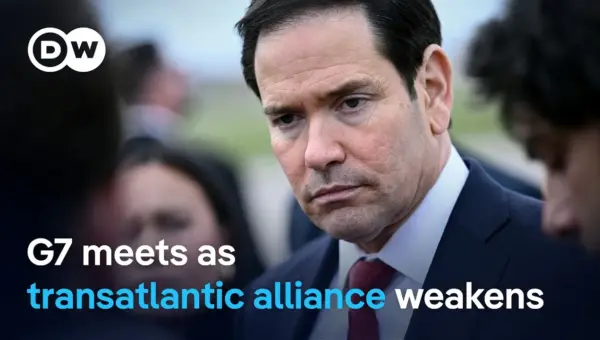
G7 Allies Clash Over Iran War Strategy, Urge Focus on Russia
G7 foreign ministers met in Paris, revealing deep divisions over the U.S. war with Iran. European allies urged the U.S. to pressure Russia, linking its actions to the conflict and fearing support for Ukraine will wane.

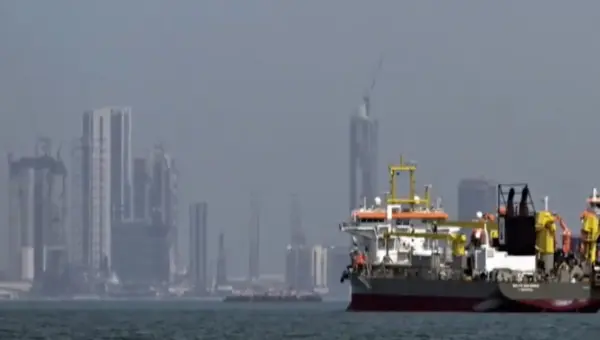
Iran Blocks China Ships, Exposing Beijing’s Weak Grip
Iran's recent decision to block Chinese ships at the Strait of Hormuz is exposing the limits of Beijing's influence in the Middle East. This action is causing delays and cancellations for Chinese manufacturers, turning a perceived geopolitical win into an economic strain.
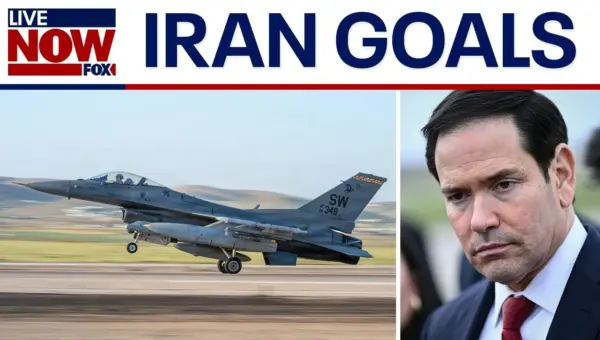
Rubio: US Can Achieve Iran War Goals Without Troops
Senator Marco Rubio outlined a strategy to counter Iran without deploying U.S. ground troops, focusing on weakening the regime and enhancing maritime security. He also criticized Cuba's economic system and expressed concerns about West Bank violence.