Trump’s Casket Caper: Profiting from Fallen Heroes
Donald Trump is facing backlash for allegedly profiting from the deaths of American soldiers. Critics point to his attendance at a dignified transfer ceremony, where he wore campaign merchandise, and subsequent fundraising efforts as deeply disrespectful. This incident reignites debates about political ethics and respect for military sacrifice.

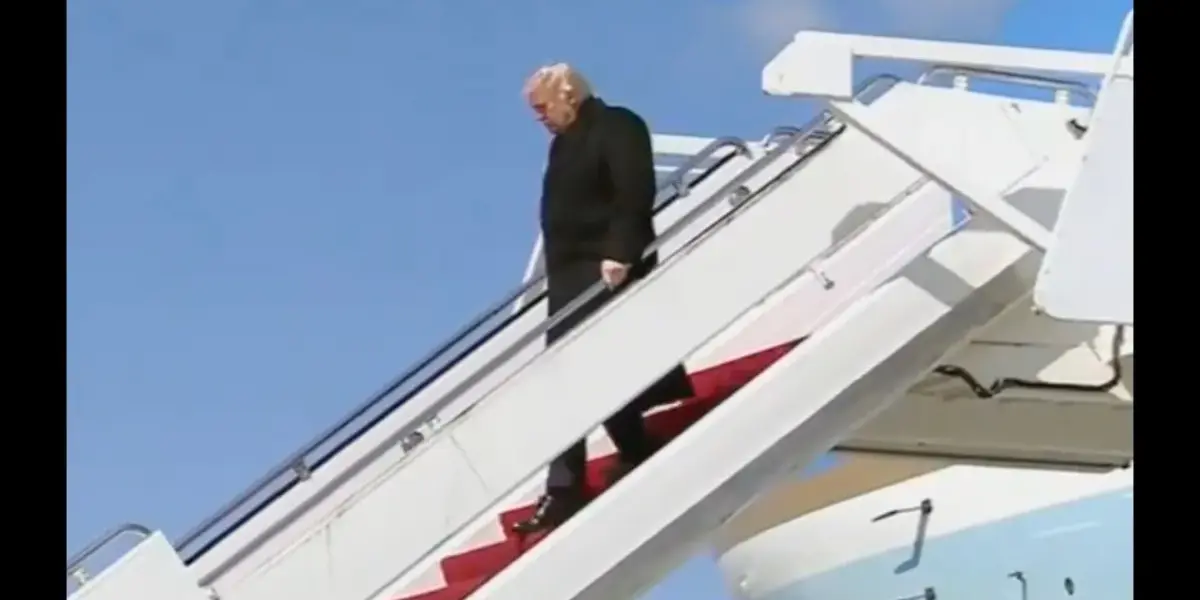
Trump’s Casket Caper: Profiting from Fallen Heroes
A recent event involving Donald Trump has sparked significant controversy. Following the deaths of American service members in the conflict with Iran, Trump attended a solemn military ritual. This ceremony, known as a dignified transfer, honors the fallen soldiers. However, Trump’s actions at the event have drawn sharp criticism.
A Somber Ceremony Takes a Turn
The dignified transfer is a deeply moving event. It marks the return of troops killed in action. For a sitting president, it is one of the most serious duties. Families of the fallen often request privacy during these moments. In this case, the families specifically asked for the ceremony to be private, without cameras. This meant the public would not see the president honoring their loved ones.
Despite this request for privacy, President Trump attended the ceremony at Dover Air Force Base. He was seen wearing a white baseball cap with “USA” embroidered in gold. He kept the cap on as the flag-draped coffins were carried past. This detail has been a major point of contention.
Merchandise at a Memorial?
Wearing one’s own merchandise, like a band t-shirt at a concert, is generally seen as a faux pas. Celebrities have faced criticism for doing this. Imagine if Taylor Swift wore her own merchandise while announcing a new album; it would likely feel odd. However, the situation becomes much more serious when this happens at a funeral or memorial for fallen soldiers.
The criticism deepened when it was revealed that a fundraising email was sent out by the Trump campaign shortly after. This email included a picture of Trump wearing the same “USA” cap, saluting at the dignified transfer. The email also offered donors the chance to attend private national security briefings with Trump himself. This practice of asking for donations in connection with a solemn military event has been called “pathetic” by critics.
A Pattern of Disrespect?
Critics point to this incident as part of a larger pattern of behavior by Donald Trump towards military members and veterans. Past instances include controversial remarks about Senator John McCain, a former prisoner of war. Trump famously said McCain was not a “war hero” because he was captured. He also reportedly said he preferred “people that weren’t captured.”
Another incident cited is Trump’s refusal to visit an American cemetery in France during a 2018 trip. He allegedly called the fallen soldiers buried there “suckers” and “losers.” These past actions fuel the argument that Trump has a history of disrespecting those who serve in the military.
Exploiting Tragedy for Profit
The core of the controversy lies in the accusation that Trump is profiting from the deaths of American soldiers. The fundraising email, featuring a picture from the dignified transfer and offering exclusive briefings for donations, is seen by many as exploiting tragedy. Critics argue that this turns the ultimate sacrifice of service members into an opportunity for political and financial gain.
This is not the first time Trump has been criticized for selling merchandise during national events. During Hurricane Harvey in 2017, he toured the affected area wearing a “USA” cap that was available for sale on his website for $40. While wearing a hat during a disaster tour is different from wearing one at a dignified transfer, the principle of selling merchandise connected to a somber or official event raises similar questions about priorities.
The Role of Media
The media’s role in covering these events is also under scrutiny. Some news outlets have been accused of bias. Fox News, for instance, was criticized for allegedly running a misleading report about the dignified transfer. The network admitted to accidentally airing footage from an older ceremony instead of the recent one, leading to accusations of propaganda, especially given its strong support for Trump.
The broader political environment is also a factor. The transcript mentions concerns about social media platforms potentially suppressing critical voices under pressure from the administration. This highlights the challenges faced by independent media in reporting on controversial figures and events. The ability to reach audiences directly through newsletters is seen as a way to bypass potential censorship.
Why This Matters
This controversy touches on fundamental questions about leadership, respect for the military, and the ethics of political fundraising. The dignified transfer is a sacred moment for grieving families and the nation. Using such an event as a backdrop for fundraising, especially with merchandise and exclusive access offers, strikes many as deeply inappropriate and disrespectful. It raises concerns about whether a leader’s personal or political gain can ever justify profiting from national tragedy.
Implications and Future Outlook
The incident underscores the ongoing debate about the intersection of politics, personal branding, and national service. For Gold Star families, who have already endured unimaginable loss, seeing their loved ones’ final homecoming potentially used for political fundraising can be particularly painful. The criticism suggests a public expectation that leaders should uphold a higher standard of conduct during moments of national mourning.
Moving forward, this event could influence how political campaigns approach fundraising and public appearances during times of national tragedy. It also highlights the power of public opinion and media scrutiny in holding public figures accountable for their actions. The debate over what constitutes respectful behavior for a commander-in-chief during solemn military ceremonies is likely to continue.
Historical Context
The tradition of the dignified transfer has been a part of military protocol for years, becoming more prominent in public consciousness during conflicts in the Middle East. Historically, presidents have shown immense respect during these ceremonies, understanding the profound grief and sacrifice involved. The current controversy is notable because it deviates sharply from the established norms of presidential conduct in such sensitive situations.
The practice of political figures using military events for personal or campaign benefit is not entirely new. However, the directness and visibility of the alleged profiteering in this case, particularly through a fundraising email featuring images from a dignified transfer, have amplified the outrage. It brings to the forefront questions about the boundaries between presidential duties and campaign activities.
Source: Trump gets what he DESERVES after profiting from solders’ caskets | Another Day (YouTube)

Related Articles
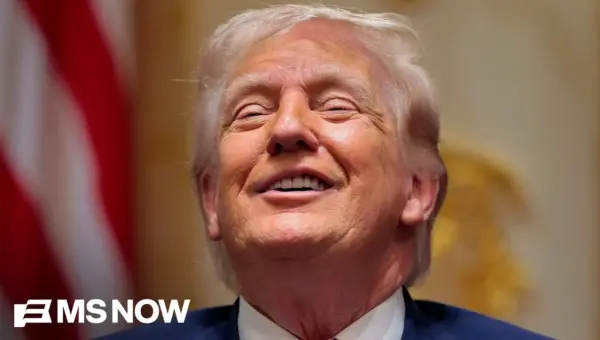
Trump’s Name Everywhere: A ‘Stain’ on GOP Legacy?
Former President Donald Trump's efforts to brand national symbols, including a proposed signature on dollar bills, spark debate. Critics view this as an authoritarian attempt to embed his legacy, potentially staining the Republican Party's history and contrasting with democratic ideals of public ownership.
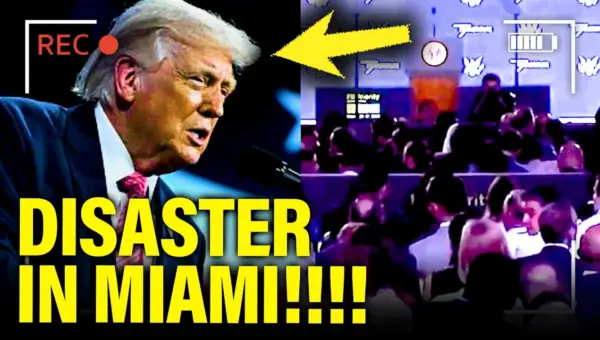
Trump’s War Talk Stuns Financial Crowd
Donald Trump's recent speech in Miami focused on his foreign policy, particularly his critical views on NATO and his vision for international relations. He declared the U.S. would no longer defend NATO allies, questioned the value of existing alliances, and suggested renaming the Strait of Hormuz. The speech also touched on his personal views of success, his allies, and his perceived role as a global peacemaker.
Trump’s Warpath: New Threats Signal Imperial Ambitions
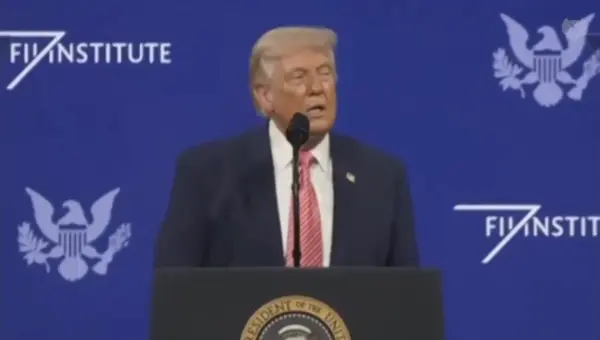
Recent statements from Donald Trump reveal a potential embrace of increased military action and interventionist foreign policy. This approach, characterized by critics as "imperialism 2.0," contrasts with his past promises of peace and has even drawn criticism from parts of his own base. The implications for U.S. global engagement and domestic priorities are significant.