Energy Hubs Become War Targets: Global Markets Brace for Impact
Recent strikes on Iran's South Pars gas field and Qatar's Raz Lafan industrial city have escalated the conflict into energy infrastructure. Experts warn this could lead to sustained global price hikes and disruptions, while the US market remains relatively insulated from natural gas fluctuations. The targeting of vital energy hubs raises concerns about global energy security and potential humanitarian crises.

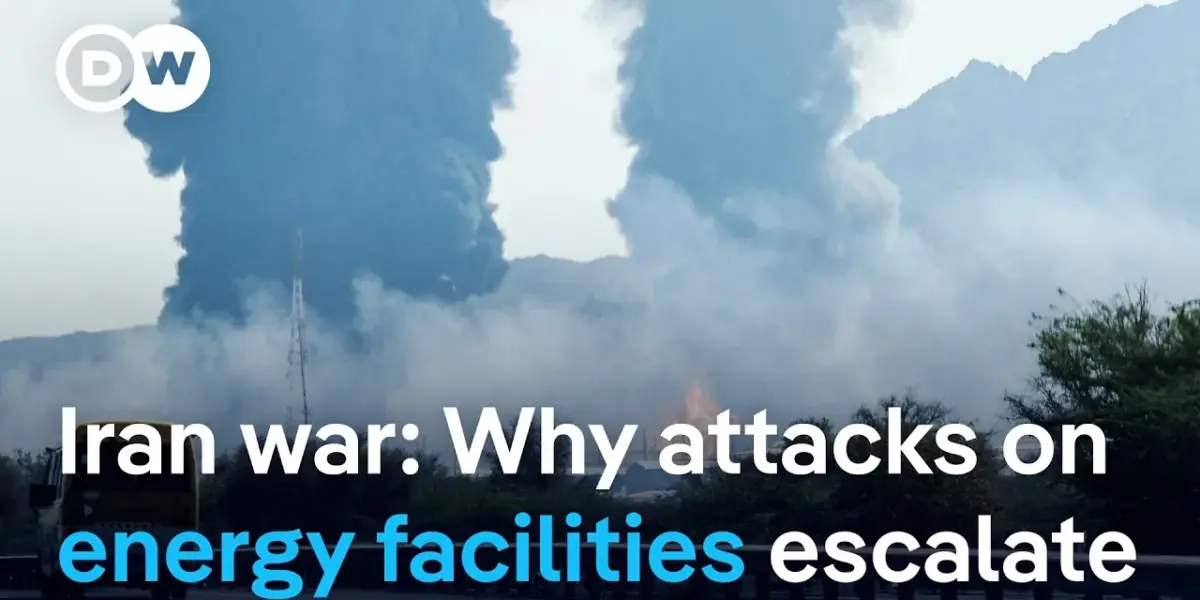
Energy Infrastructure Now a Key Battlefield in Middle East Conflict
A recent Israeli strike on Iran’s South Pars natural gas field, followed by Iran’s retaliatory attack on Qatar’s Raz Lafan industrial city, has intensified concerns about global energy security. This escalation marks a significant shift, bringing vital energy assets directly into the crosshairs of the ongoing conflict. Experts warn that targeting such infrastructure could lead to prolonged disruptions and a sustained rise in global energy prices.
South Pars: A Critical Energy Lifeline
The South Pars gas field, shared by Iran and Qatar, is one of the world’s largest. For Iran, it is especially crucial, supplying about 70% of its domestic natural gas and powering much of the country’s electricity generation. An attack on this facility could be seen as a strategic move to cripple Iran’s energy grid.
Professor Sean Hyatt from the University of Southern California’s Marshall School of Business expressed surprise at the attack on energy assets. “I thought they were going to limit the attacks to only military facilities,” Hyatt stated. He cautioned that targeting energy infrastructure could provoke retaliatory strikes on other energy assets in the Gulf, which supplies over 22% of the world’s gas and petroleum products.
Global Market Reaction and Price Hikes
The immediate aftermath of the attacks saw oil prices surge. Hyatt explained this reaction is twofold. Firstly, a reduction in natural gas supply can lead to increased demand for alternative fuels like bunker oil or diesel for electricity generation. Secondly, and more significantly, the market is now pricing in the heightened risk of future attacks on oil and gas refineries in the region.
“This was the first attack on an energy facility and it’s not going to be the last,” Hyatt noted. He suggested that Iran might use its remaining drones or missiles to target major refineries in the Gulf. Such attacks could take six months to a year to repair, leading to sustained higher energy costs globally.
US Energy Market: A Different Picture
While global energy prices are fluctuating, the United States’ natural gas market remains largely insulated. “In terms of natural gas, we are already exporting the maximum that we can export based on our current LNG facilities,” Hyatt explained. US natural gas prices are significantly lower than global benchmarks, with current levels around $3.15 per million BTU, compared to prices soaring up to $50 in Europe.
However, the US is not immune to the impact of rising oil prices. WTI crude prices have neared $100 a barrel, with Brent crude exceeding that. This is partly due to infrastructure limitations, including a past halt in pipeline construction, though new projects are now underway. The US also faces challenges with refinery capacity, despite recent announcements of new facilities.
The Strait of Hormuz: A Critical Bottleneck
The Strait of Hormuz, a vital chokepoint for global oil and gas shipments, remains a point of concern. While the US has a significant oil reserve, its ability to export is limited by infrastructure. Former President Trump’s suggestion to let other nations manage the Strait highlights its strategic importance and the potential for disruptions.
The impact is more acutely felt in East Asia, particularly in China and South Korea, which are heavily reliant on Middle Eastern oil. These countries have already ceased exports of refined fuels to conserve their own supplies. The potential disruption of transit through the Strait of Hormuz could keep petroleum and natural gas prices elevated.
Iran’s Escalation and Potential Consequences
Iran’s President has condemned the attacks on its energy infrastructure, warning of “uncontrollable consequences” that could engulf the entire world. Iran has previously targeted energy supplies, disrupting liquefied natural gas production and oil shipments through the Strait of Hormuz. The nation’s retaliatory strikes signal a willingness to broaden the conflict.
Hyatt warned that Iran could inflict more significant damage by targeting refining assets in the Persian Gulf. The Middle East supplies about 22% of the world’s jet fuel and is a major source of middle distillates like diesel. Europe, which has shut down many of its own refineries, relies heavily on these imports, with 25% of its middle distillates and 40% of its jet fuel coming from the Middle East.
Humanitarian Concerns and Future Outlook
Beyond economic impacts, there are significant humanitarian concerns. The targeting of energy infrastructure could affect essential services like electricity and water. The potential for attacks on desalination plants, which supply a vast majority of drinking water in Gulf countries, could trigger a severe humanitarian crisis.
“The one thing they haven’t touched, which is what everyone’s been hoping that they don’t, is the desalination plants,” Hyatt stated. He emphasized that if water infrastructure were hit, it would have devastating consequences for civilian populations.
Diversification and Energy Security
The ongoing conflict underscores the importance of energy security and diversification. Many Gulf nations, like the UAE and Saudi Arabia, have been working to diversify their economies away from a sole reliance on oil and gas exports due to market volatility.
“The whole risk of this these attacks was that this whole thing could spiral out of control,” Hyatt observed. He stressed the need for countries to increase their energy security through measures like restarting dormant gas fields, investing in nuclear power, or expanding renewable energy sources. This conflict serves as a stark reminder that geopolitical instability can have profound and lasting effects on global energy markets and national security.
Source: Why energy hubs are now primary targets in the Iran war | DW News (YouTube)

Related Articles


Trump’s Iran Claims: Shocked or Deluded by War Games?
Donald Trump claimed surprise over Iran's actions in the Strait of Hormuz, but experts suggest retaliation was inevitable. Military war games likely predicted such a scenario, raising questions about the advice given to the President.


Israel’s Strategy Against Iran Revealed
Israel's strategy to counter Iran's nuclear ambitions and regional influence centers on containment, utilizing a mix of covert military actions, intelligence operations, and diplomatic pressure. Analysts highlight the growing urgency due to Iran's nuclear advancements, while also noting the persistent risk of escalation in the volatile Middle East.

Israel Eyes Lebanon Buffer Zone: A Political Ploy?
Israel's military operations in southern Lebanon aim to create a buffer zone and pressure Hezbollah, according to expert Yazid Sayigh. He argues the strategy is more political than military, echoing historical tactics. The ongoing conflict could destabilize Lebanon further, while Hezbollah fights for survival.