Chavez Allegations Spark Reckoning for Latino Community
New allegations of abuse against labor leader Cesar Chavez are prompting a critical examination of his legacy within the Latino community. Columnist Gustavo Arellano urges a focus on survivors and a necessary "full reckoning" with historical figures, impacting how the Chicano Movement is taught and remembered.

Chavez Allegations Spark Reckoning for Latino Community
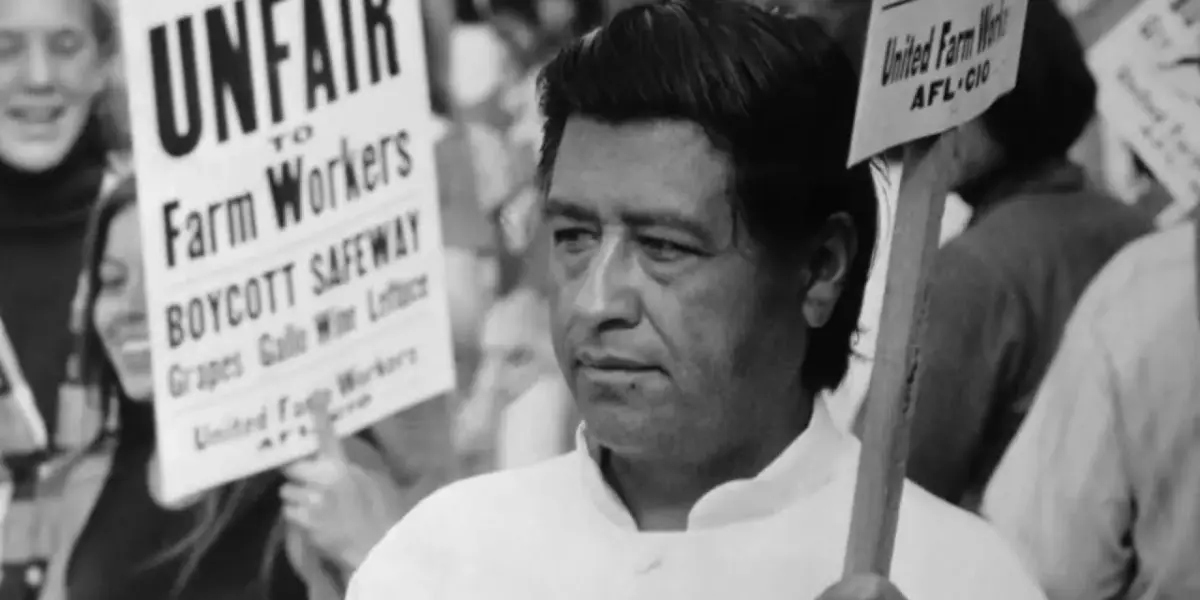
New allegations against labor leader Cesar Chavez are prompting a deep look into his legacy, forcing the Latino community to confront uncomfortable truths about a figure long held as a hero. The accusations, including abuse against young women, have shaken many who grew up learning about Chavez as a central figure in Southwest education and a symbol of the Chicano Movement.
A Folk Hero Under Scrutiny
For many, especially those who grew up in New Mexico and California, Cesar Chavez was a household name synonymous with activism and the fight for workers’ rights. His life and work were often presented as foundational lessons in early childhood education, lionizing him as a folk hero. This narrative, deeply ingrained for generations, is now facing a significant challenge.
Gustavo Arellano, a columnist for the Los Angeles Times, shared his personal experience. While his mother, a former farmworker, didn’t initially know who Chavez was, Arellano, like many others, came to admire him for his work on behalf of exploited laborers. He acknowledges the admiration many felt for Chavez’s dedication to fighting for the rights of the most vulnerable in the American economic system, a struggle that continues to this day.
Centering the Survivors
Some argue it’s unfair to tarnish Chavez’s legacy, especially when other historical figures with questionable pasts maintain their reputations and wealth. However, Arellano emphasizes that this perspective misses the point. The focus, he insists, must be on the victims of abuse.
“Right now, we need to center the voices of those who were abused, who suffered abuse under Chavez, whether it’s those two young, those two women who were abused at like 13, 14 years old. To Dolores Huerta, an icon of her own right and the longtime associate of Chavez.”
Arellano points to statements from the Cesar Chavez Foundation and the United Farm Workers, which, in the wake of the New York Times article detailing the allegations, chose to center the survivors. He stresses that the immediate priority is not to defend Chavez or question the timing of the revelations, but to listen to and support those who suffered.
Dolores Huerta, a key figure in the United Farm Workers and a longtime associate of Chavez, has also spoken out. She stated that the movement was never about one man but about the collective effort. This sentiment echoes Chavez’s own vision when he co-founded the United Farm Workers. The movement, or “movimiento,” was intended as a collective action, not the deification of a single individual. Arellano suggests that the focus on Chavez as a singular hero became a mistake made by his followers in the decades that followed.
Reconciling the Man and the Movement
The revelations have led to immediate actions within communities. In Bakersfield, a planned street naming in honor of Cesar Chavez has been halted. Similarly, in Fresno, a council member has called for the removal of a street named after Chavez, a street that was the result of years of advocacy. This is happening across the country, with streets, schools, and community centers bearing his name.
Arellano anticipates that communities will grapple with how to handle these institutions. Some may choose to keep the names but add historical context, acknowledging the full picture of Chavez’s life. Others may feel it’s necessary to remove the names altogether, unable to reconcile the alleged abuse with the honor. This moment of introspection comes at a difficult time for many Latinos, who already feel under pressure. However, Arellano sees strength in the community’s ability to prioritize survivors and then determine the path forward.
He argues that Latinos are stronger than often given credit for. While political power may fluctuate, their righteousness and capacity for self-interrogation are significant. This ability to critically examine their own history and heroes, even when it’s painful, is a strength other segments of American society often avoid when dealing with their own historical figures.
Impact on Education and Future Lessons
The allegations raise critical questions about how children will learn about the Chicano Movement and farmworker rights. Textbooks and curricula may need to be rewritten, and conversations about Chavez’s legacy will need to be adapted for different age groups.
Arellano, who teaches Latinx History at Chapman University, often tells his students about important figures who may not appear in textbooks. He stresses the importance of local history, encouraging students to find and learn about the heroes and sheroes within their own communities. While acknowledging the national significance of figures like Cesar Chavez and the United Farm Workers, he believes it’s crucial to teach children about their local history first.
He stated that it is imperative for K-12 education to teach children about their local history. Yes, we do got to talk about the bigger histories involved in that. And that’s where you do mention the United Farm Workers. That’s when you do mention Cesar Chavez, because we cannot remove what he meant to so many people during his lifetime and afterwards. We do now, though, need to put into context who this person was. We need to have a full reckoning.
This full reckoning, Arellano suggests, is necessary for everyone. Just as other Americans must confront the flaws of their founding fathers, the Latino community must also face the complexities of its heroes. Heroes are human beings, and recognizing their flaws is essential for a more complete understanding of history. The sooner this realization occurs, the better off society will be in considering its true history, a history that is often messy and dark, but ultimately, the true history.
Source: How the Cesar Chavez allegations impact the Latino community (YouTube)

Related Articles


Hero’s Fall: Chavez Abuse Allegations Shake Civil Rights Legacy
Disturbing allegations of sexual abuse against civil rights icon Cesar Chavez are forcing a re-evaluation of his legacy. Survivors like Anna Murria and Dolores Huerta have bravely come forward, sharing decades of trauma. These revelations spark crucial conversations about accountability, women's rights, and the pervasive issue of power abuse.

Chavez Legacy Tarnished: Abuse Claims Spark Reassessment
New allegations of sexual abuse against civil rights icon Cesar Chavez have surfaced, prompting a difficult reassessment of his legacy. The New York Times investigation includes testimony from Dolores Huerta and other women, leading to the cancellation of planned celebrations and calls to rename landmarks.

Dolores Huerta Discusses Past Trauma, Chavez Allegations
Dolores Huerta has spoken out about past trauma and her relationship with Caesar Chavez, revealing she is still processing difficult events from the UFW's early days. She expressed regret over not confronting Chavez directly and shared her journey of healing from past sexual assault, aiming to bring these issues to the forefront.