US Considers Major Troop Surge in Middle East Amid Iran Conflict
The Trump administration is considering deploying thousands of additional troops to the Middle East, potentially to Iranian shores, as part of escalating conflict. The Pentagon is also seeking over $200 billion to fund operations, signaling a long-term commitment. Meanwhile, Israel intensifies its 'decapitation' strategy against Iranian leadership, aiming to disrupt command and sow fear.

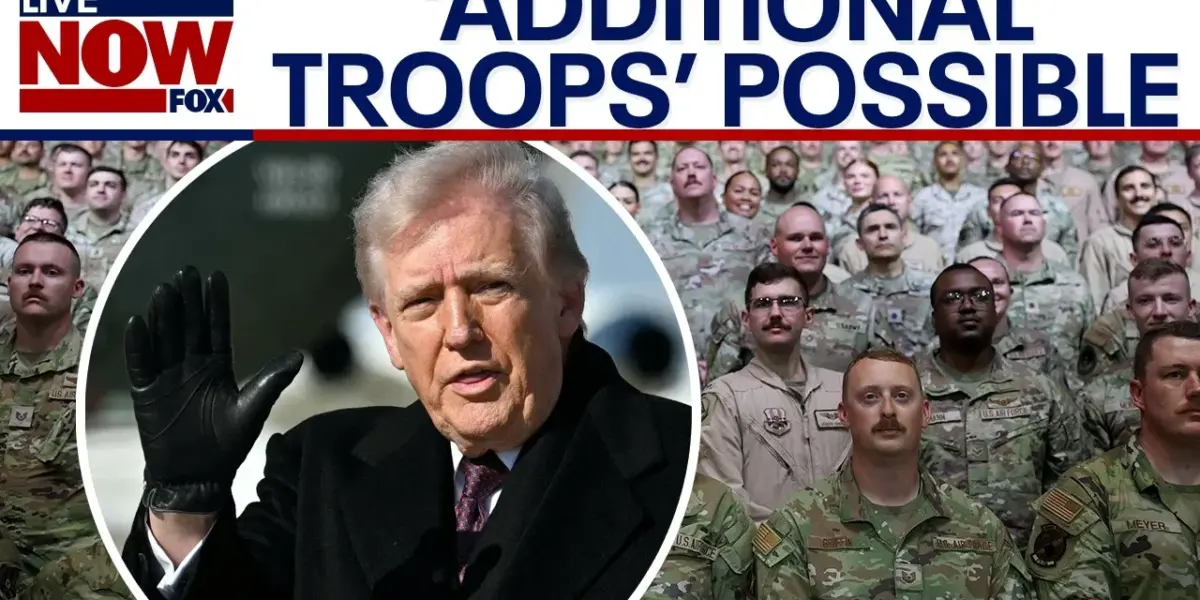
US Weighs Massive Troop Deployment to Middle East
The Trump administration is reportedly considering a significant troop deployment to the Middle East, a move that signals a potential escalation in the conflict with Iran. Sources indicate that the military is preparing options for the next phase of operations, which could include sending thousands of additional soldiers to the region. One proposal even suggests deploying troops to Iranian shores to secure the Strait of Hormuz, a critical waterway for global oil transport.
Strategic Goals and Post-Conflict Planning
Retired Marine intelligence officer Hal Keer discussed the potential implications of these troop movements. He suggested that the deployment might not be aimed at immediate combat, but rather at planning for a post-conflict scenario. If regime change occurs in Iran, U.S. forces would need to secure sensitive sites, such as those containing nuclear weapons or ballistic missiles. Keer emphasized the necessity of having personnel on the ground to directly inspect and manage these facilities, whether through destruction or confiscation.
Securing Key Waterways and Routine Rotations
The idea of deploying troops to Iranian shores, particularly near areas like Bandar Abbas, is also on the table. Keer clarified this might not involve an aggressive invasion but rather establishing a security presence to counter potential threats along the coastline. He also noted that the troop movements could be part of a routine rotation, replacing units that have served extended tours of duty, rather than a massive surge in forces.
Massive Funding Request Signals Long-Term Commitment
Adding to the strategic considerations, The Washington Post reported that the Pentagon is seeking over $200 billion from Congress to fund the ongoing conflict. The sheer scale of this request, especially after an initial six days of war reportedly cost $11 billion, suggests a prolonged engagement. Keer explained that this funding would not only cover immediate war expenses but also replenish depleted military reserves. He speculated that a portion of these reserves might be intended to address potential future conflicts, possibly involving China’s increased activity around Taiwan.
Targeting Energy Infrastructure: A New Dimension
The conflict has seen a significant escalation with attacks on energy infrastructure. The South Pars gas field, the world’s largest, was reportedly struck, with Qatar attributing the attack to Israel. The U.S. was reportedly aware of Israel’s intentions but did not participate. Keer explained that striking gas and oil fields is a punitive measure against Iran as a nation, impacting its ability to fund reconstruction after potential regime change. He noted that while the U.S. has focused on dismantling the pillars supporting the current regime, directly targeting national resources might be seen as overly punitive to the general population.
Humanitarian Concerns and International Reactions
The targeting of energy and water facilities raises serious humanitarian concerns. French President Emmanuel Macron spoke with leaders of Qatar and the U.S. about the strikes on energy production in Iran and Qatar. Macron called for an immediate moratorium on attacks against civilian infrastructure, emphasizing the need to protect civilian populations and ensure energy security. Keer elaborated on the critical role of water purification facilities in the Persian Gulf states, noting that their destruction could lead to a severe humanitarian crisis due to the lack of natural freshwater sources. These facilities are highly energy-intensive, making them vulnerable to attacks on energy infrastructure.
Israel’s Decapitation Strategy and Its Impact on Iran
Israel’s strategy of targeting Iranian leadership, often referred to as a “decapitation campaign,” appears to be intensifying. Following the reported killing of Iranian Intelligence Minister Ismael Katib, Keer discussed the significance of removing key figures. Katib was a long-standing figure within Iran’s revolutionary government. Israel has employed similar tactics against Hezbollah and Hamas, aiming to disrupt command structures and sow internal dissent by constantly replacing experienced leaders with new, less established figures. This strategy creates friction, disrupts decision-making, and weakens the organization’s overall effectiveness.
Psychological Warfare and Command Disruption
Beyond eliminating leaders, the psychological impact of these targeted killings is significant. Keer explained that the goal is to make Iran’s leadership fearful for their own survival, forcing them into hiding and disrupting communication channels. This fear can lead to a loss of command and control, as individuals prioritize personal safety over operational effectiveness. He drew parallels to past operations against Hezbollah, where Israel used exploding pagers and radios to disable communication and leadership structures, causing widespread disarray.
Expanding Strikes and Targeting Northern Iran
Recent reports indicate that the Israeli Defense Forces (IDF) are now striking targets in northern Iran for the first time during the conflict. Keer suggested these strikes could be aimed at oil and gas fields in the southern Caspian Sea region, which are vital to Iran’s economy. Additionally, strikes could target areas with ethnic minority populations, such as Kurds and Azeris, who have existing separatist movements. The objective would be to weaken the Revolutionary Guard Corps and other security apparatus, potentially opening doors for internal dissent and weakening the regime.
Cluster Munitions and Unintended Consequences
An Iranian missile attack reportedly killed four people in the West Bank. Keer expressed skepticism that the attack was intentionally aimed at the West Bank, attributing the casualties to the nature of Iranian cluster munitions. These munitions disperse multiple smaller bomblets over a wide area, and even if the main missile is intercepted, the bomblets can still cause damage and casualties. The use of cluster munitions is controversial, with many countries viewing them as a violation of international law.
Looking Ahead: Press Conference and Ongoing Tensions
The situation remains highly dynamic, with U.S. defense officials scheduled to hold a press conference. The public will be looking for further details on the troop deployment plans, the justification for the significant funding request, and the administration’s strategy moving forward in the complex geopolitical landscape of the Middle East.
Source: Iran war: Trump admin weighs major troop deployment to Middle East (YouTube)

Related Articles

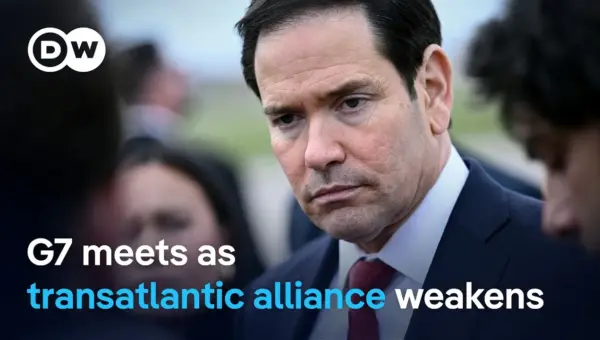
G7 Allies Clash Over Iran War Strategy, Urge Focus on Russia
G7 foreign ministers met in Paris, revealing deep divisions over the U.S. war with Iran. European allies urged the U.S. to pressure Russia, linking its actions to the conflict and fearing support for Ukraine will wane.
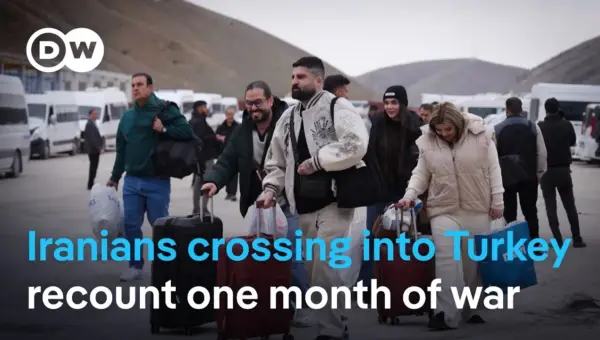
Iran War Exodus: Refugees Flee to Turkey Amidst Bombings
A train from Tehran brings refugees to Turkey, fleeing daily bombings and economic collapse. Many express deep fear for loved ones left behind, while some hold onto national pride and hope for victory. The conflict's impact is also felt economically in Turkey, with rising gas prices.
CPAC Divided: Trump’s Iran War Splits Conservative Base
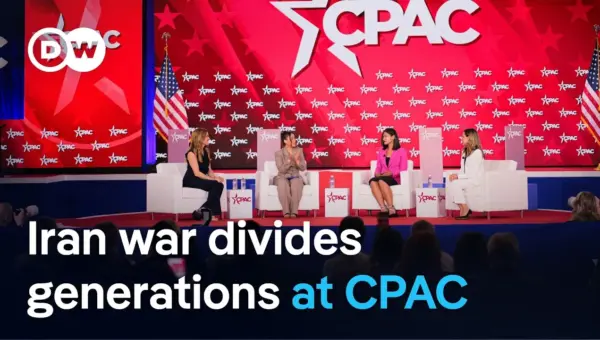
The annual CPAC gathering in Texas revealed deep divisions within President Trump's base over the U.S. war in Iran. While some supporters trust Trump's strategy, others, particularly younger conservatives, worry about the conflict's impact on the "America First" agenda. The conference also saw a notable absence of President Trump and other high-profile figures, contributing to a different energy compared to previous years.