War Escalates: Iran Strikes Spark Global Market Fears
The war with Iran escalated, sending shockwaves through global markets as the Dow closed at its lowest point of the year. Intelligence Director John Ratcliffe faced scrutiny over the justification for U.S. involvement, while economic fears grew. Meanwhile, the Southwest sweltered under a rare heat wave, and Nebraska battled historic wildfires.


Intelligence Chief Faces Iran War Questions Amid Market Plunge
Washington D.C. – President Trump’s top intelligence chief faced tough questions Wednesday for the first time about the escalating war with Iran. The focus was on whether Iran posed an imminent threat, a key justification for U.S. involvement. Intelligence Director John Ratcliffe appeared before the Senate Intelligence Committee as the conflict’s impact reverberated on Wall Street, with the Dow Jones Industrial Average closing at its lowest point of the year.
Tulsi Gabbard Presses Intelligence on Iran Threat
During a worldwide threats hearing, Representative Tulsi Gabbard questioned Director Ratcliffe about the intelligence community’s assessment of Iran’s nuclear capabilities and any imminent threat to the U.S. Gabbard noted that last year’s strikes had “obliterated” Iran’s nuclear sites, suggesting a diminished threat. However, Ratcliffe stated that intelligence assessed Iran maintained the intention to rebuild its nuclear enrichment capability.
When pressed for a direct yes or no answer on whether the intelligence community assessed an “imminent nuclear threat,” Ratcliffe deferred, stating, “The only person who can determine what is and is not an imminent threat is the President.” This exchange highlighted the tension between the administration’s claims and the intelligence presented to Congress.
War’s Economic Fallout: Stocks Plunge, Inflation Fears Rise
The growing conflict in the Middle East sent shockwaves through the global economy. The Dow closed down more than 1.5% on Wednesday, reflecting worries about the war’s broader impact. Federal Reserve Chair Jerome Powell expressed concerns that the conflict could fuel higher inflation, a sentiment echoed by analysts.
Brian Cheung, reporting for NBC News, explained that fresh data showed producer prices – what wholesalers pay – rose significantly more than expected. “This underscores the concerns that inflation, especially with this shock coming from the Middle East, could get worse from here,” Cheung said. The Fed decided to hold interest rates steady, signaling caution amid the economic uncertainty. Powell also indicated he might remain in his post longer than expected, pending a Justice Department investigation.
Strait of Hormuz: Intelligence Foresaw Disruptions
Intelligence reports indicated that U.S. officials knew Iran might target the Strait of Hormuz, a crucial 20-mile-long shipping passage accounting for about a fifth of the world’s oil. “This has long been an assessment of the IC that Iran would likely hold the Strait of Hormuz as leverage,” said DNI Tulsi Gabbard during the hearing.
Despite this foresight, questions arose about the White House’s plan to mitigate such disruptions. President Trump’s messaging on the U.S. role in keeping the strait open has appeared to shift, leading to confusion about the administration’s long-term strategy. “It’s not at all clear what the White House is sort of real long term position is on trying to keep the Strait open,” reported Garrett Haake from the White House.
Regional Tensions Simmer: Saudi Arabia Hosts Meeting, Qatar Expels Diplomats
As the war intensified, regional diplomatic efforts were underway, notably in Riyadh, Saudi Arabia. Foreign ministers from various Arab and Islamic countries convened for a meeting focused on regional security and stability – a meeting that notably excluded the United States.
Keir Simmons, reporting from Riyadh, described the surreal scene of diplomats meeting amidst ongoing drone and missile interceptions over the city. “While we have been here, as they have gathered, we have heard blasts over Riyadh here in Saudi Arabia,” Simmons reported. The meeting followed confirmation that Israel had killed Iran’s intelligence minister, who Israel stated was responsible for advancing external threats. This came just a day after Israel targeted Ali Larijani, Iran’s de facto day-to-day leader.
Adding to the diplomatic fallout, Qatar announced it was expelling Iran’s military and security attachés from Doha. This move followed an attack on a Qatari liquefied natural gas plant, which Qatar shares a gas field with Iran. Iran has openly stated it is targeting oil and gas installations in retaliation for past strikes on its own facilities.
Domestic Concerns: TSA Shortages, DHS Leadership Uncertainty
Closer to home, the Transportation Security Administration (TSA) is grappling with significant employee shortages, leading to temporary closures of security checkpoints at major airports. Nearly 10% of TSA employees called out sick on Tuesday, with some airports seeing nearly half of their officers absent. This has resulted in longer wait times for travelers nationwide.
Meanwhile, the Department of Homeland Security (DHS) remains without a confirmed leader. Acting Deputy Administrator for the TSA stated that wait times would continue to be unpredictable. The confirmation hearing for President Trump’s pick to lead DHS, Senator Markwayne Mullin, proved contentious. Senator Rand Paul raised sharp questions about Mullin’s past rhetoric and temperament, while Mullin sought to differentiate himself from his predecessor, Kirstjen Nielsen, promising a more collaborative and less controversial leadership style.
Southwest Faces Extreme Heat, Nebraska Battles Historic Wildfires
Beyond geopolitical and economic concerns, the United States is also contending with severe weather events. More than 30 million people across the Southwest are under heat alerts due to a rare, intense heat wave for mid-March. Temperatures in parts of California, including Los Angeles, are approaching 100 degrees Fahrenheit, with some areas like Palm Springs potentially reaching 109 degrees by week’s end – a record for March.
Simultaneously, Nebraska is battling its largest wildfire in state history, which has scorched nearly 600,000 acres and triggered evacuations. This is one of four major fires across the state, with at least one fatality reported. Red flag warnings are in effect for surrounding states, including South Dakota and Wyoming, as the dangerous combination of heat and dry conditions fuels these infernos.
Search Continues for Missing U.S. Student in Barcelona
In international news, authorities in Spain are actively searching for Jimmy Gracey, a University of Alabama student who disappeared while on spring break in Barcelona. Gracey was last seen leaving a beachfront nightclub around 3 a.m. on March 17th. His family and fraternity brothers describe him as a responsible individual who would not simply wander off.
Information regarding the circumstances of his disappearance is still developing. Police have reportedly obtained Gracey’s phone, but details surrounding how they acquired it remain unclear. His family has issued an emotional plea for anyone with information to come forward, working closely with Spanish police and the State Department.
Source: Hallie Jackson NOW – March 18 | NBC News NOW (YouTube)

Related Articles
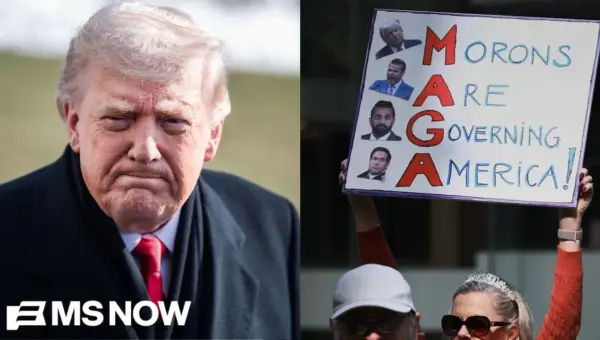
First-Time Protester Cites War, Prices as Key Concerns
An auto technician from Louisiana, Jared McCallup, joined his first major protest, the 'No Kings' movement, citing war profiteering and rising prices as his primary concerns. He aims to be a voice for those too afraid to speak out. McCallup's experience highlights the growing economic anxieties among everyday Americans.
Middle East Conflict Fuels Global Market Plunge
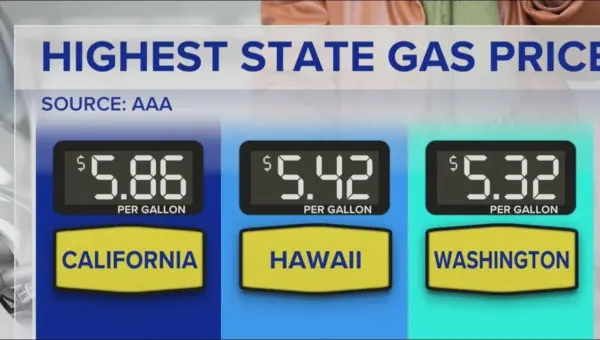
A month-long conflict in the Middle East has sent global stock markets tumbling and gas prices soaring. The disruption of oil supplies, particularly through the Strait of Hormuz, is impacting economies worldwide, with airlines and consumers feeling the immediate effects. Experts warn that prices may continue to rise, exacerbating pre-existing economic weaknesses.


Fed Rate Hike Fears Spark Stock Sell-Off
Investors are bracing for potential Federal Reserve interest rate hikes in 2026 as rising oil prices and persistent inflation clash with a slowing economy. This stagflationary concern has triggered a stock market downturn, presenting both risks and opportunities for investors.