Stocks Plunge After Powell’s ‘Uncertain’ Remarks on Inflation
The stock market plunged nearly 800 points on Wednesday after Federal Reserve Chair Jerome Powell's remarks introduced uncertainty into the economic outlook. A hotter-than-expected inflation report and rising energy prices further fueled investor concerns. The Federal Reserve held interest rates steady but signaled caution about future economic conditions.

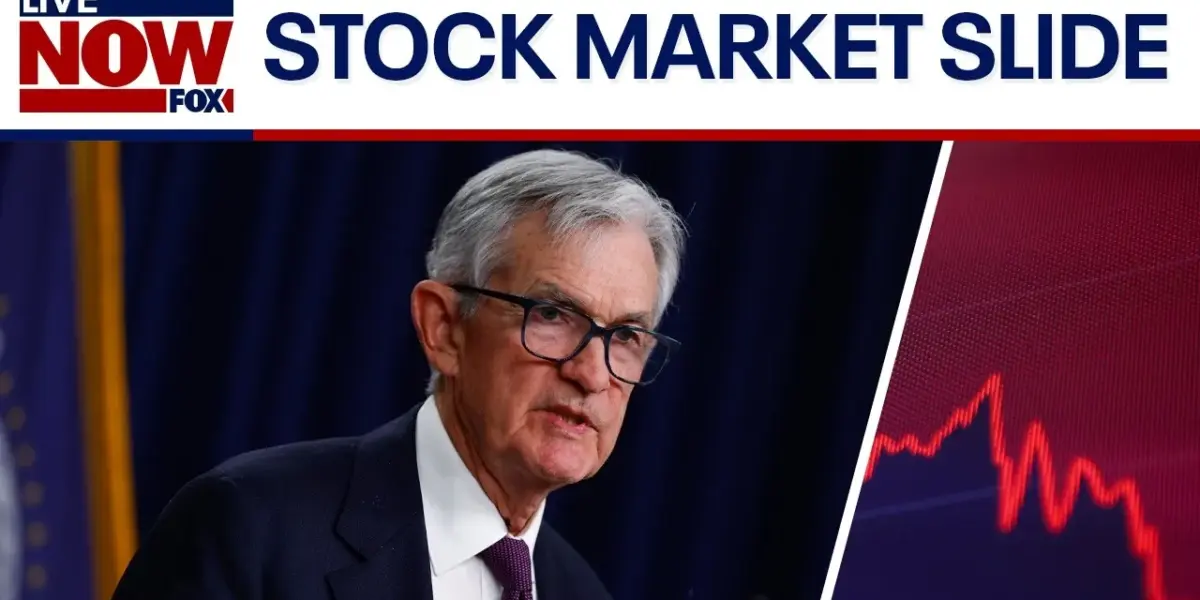
Market Suffers Steep Drop Following Fed Chair’s Comments
The stock market experienced a significant downturn, with the Dow Jones Industrial Average losing nearly 800 points on Wednesday. This sharp decline followed remarks by Federal Reserve Chair Jerome Powell that introduced uncertainty into the economic outlook. Investors reacted negatively to Powell’s comments during a question-and-answer session, which came after a hotter-than-expected Producer Price Index (PPI) report. The market had shown early promise, with futures indicating a positive opening, but the economic data and Powell’s words quickly shifted sentiment.
Inflation Fears Resurface Amidst Geopolitical Tensions
The PPI report revealed that inflation is proving more persistent than anticipated, particularly in the services sector, which includes housing, insurance, and medical costs. This data, combined with rising energy prices due to the conflict in the Middle East, has created a complex economic picture. Federal Reserve officials noted that the energy price shock is a significant factor influencing their decisions. While the Federal Reserve decided to hold interest rates steady, the uncertainty surrounding future inflation and the ongoing geopolitical situation weighed heavily on market participants.
Powell’s Remarks Add to Economic Uncertainty
Economic strategist Dan Veron highlighted the market’s negative reaction to Fed Chair Powell’s use of words like “uncertain” and “concerning.” “It seems like that never bodes well for the market,” Veron stated. He explained that the bond markets also showed significant volatility, a clear indicator of rising uncertainty. Powell’s comments suggested that the Fed is closely monitoring the energy price shock and its potential impact on the broader economy. This cautious tone from the central bank, coupled with the latest inflation data, has spooked investors.
Job Market Shows Resilience, But Future Growth is Watched Closely
Despite the market’s woes, the labor market continues to show signs of strength. Veron pointed to private sector job growth, largely driven by small businesses, as a positive indicator for the U.S. economy. He agreed with Powell’s assessment that previous job numbers might have been influenced by temporary factors, predicting stable to solid job growth for the upcoming March report. However, the ongoing crisis in the Middle East and its potential economic fallout remain a concern for investors. The duration of the conflict and its impact on oil prices could influence future economic trends and the Federal Reserve’s policy decisions.
Interest Rate Hikes Remain a Possibility
The possibility of an interest rate hike, rather than a cut, has entered the conversation. Veron explained that the Federal Reserve’s future actions depend heavily on the duration of the conflict in Iran. Historically, when price shocks related to war subside, oil prices tend to fall, which could lead the Fed to maintain its current interest rate policy. However, if the conflict continues and oil prices remain elevated, a rate hike could be put on the table. “I’m not predicting that, but on the basis of everything that we’re all seeing that the US is ahead of schedule in terms of things that it needed to to achieve to address the serious situation in Iran,” Veron noted, suggesting the Fed is prepared for various scenarios.
Market Volatility Expected to Continue
The impact of Fed Chair Powell’s remarks is expected to reverberate through the markets for several days. The sharp movements in both the stock and bond markets on Wednesday are likely to continue. While market sentiment can shift quickly, Veron anticipates a period of adjustment. “We could see more of that tomorrow. But interestingly enough, we could see the bond levels and the stock market reverse themselves again either on Friday or early next week,” he commented. This suggests that investors should brace for continued volatility as they digest the latest economic data and the Federal Reserve’s outlook.
Source: Stock market slides after Jerome Powell remarks (YouTube)

Related Articles


First-Time Protester Cites War, Prices as Key Concerns
An auto technician from Louisiana, Jared McCallup, joined his first major protest, the 'No Kings' movement, citing war profiteering and rising prices as his primary concerns. He aims to be a voice for those too afraid to speak out. McCallup's experience highlights the growing economic anxieties among everyday Americans.
Middle East Conflict Fuels Global Market Plunge
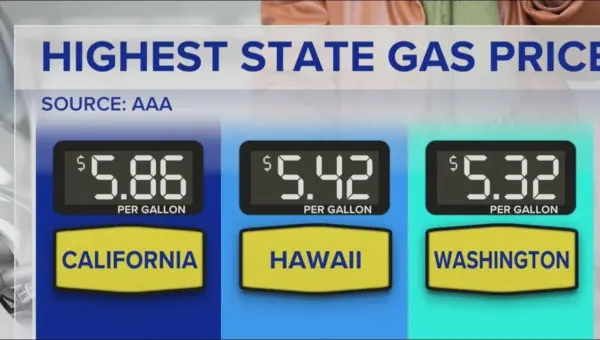
A month-long conflict in the Middle East has sent global stock markets tumbling and gas prices soaring. The disruption of oil supplies, particularly through the Strait of Hormuz, is impacting economies worldwide, with airlines and consumers feeling the immediate effects. Experts warn that prices may continue to rise, exacerbating pre-existing economic weaknesses.


Fed Rate Hike Fears Spark Stock Sell-Off
Investors are bracing for potential Federal Reserve interest rate hikes in 2026 as rising oil prices and persistent inflation clash with a slowing economy. This stagflationary concern has triggered a stock market downturn, presenting both risks and opportunities for investors.