Japan’s New Leader Faces U.S. Test Amid Global Tensions
Japan's first female Prime Minister faces a challenging U.S. visit, balancing President Trump's demands for military support with her nation's constitutional limits. The meeting also addresses complex trade issues and regional security concerns, making it a high-stakes diplomatic test.

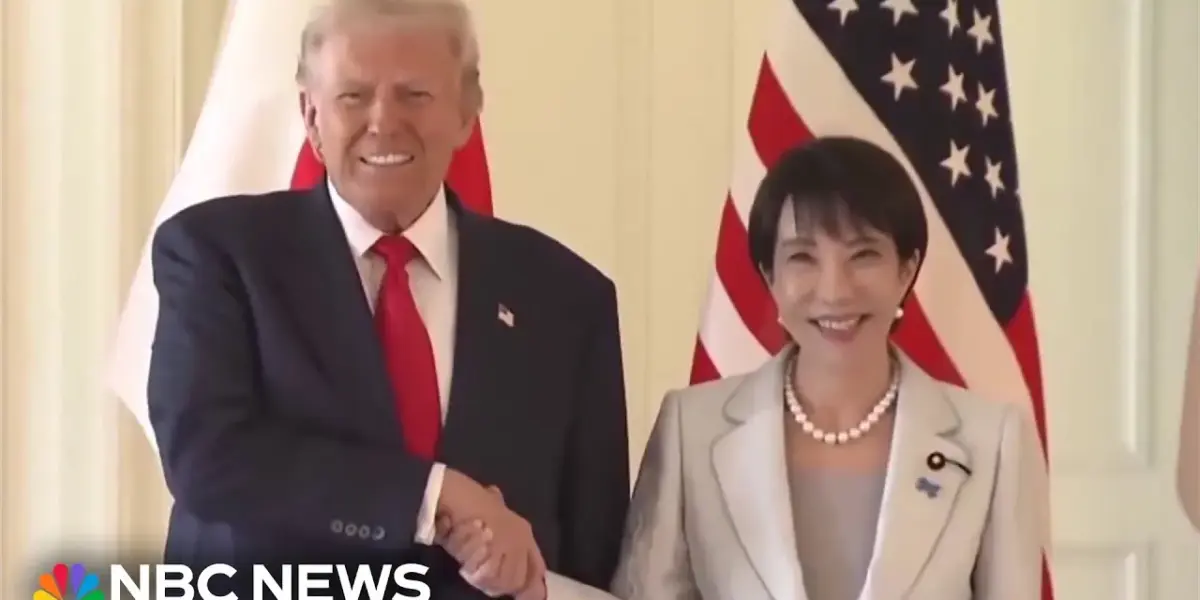
Japan’s New Prime Minister Faces Delicate U.S. Relations
Tokyo, Japan – Japan’s newly appointed Prime Minister, a figure known for her strong conservative stance and historical achievements, is stepping onto the global stage with a challenging visit to Washington D.C. The Prime Minister, who made history as the nation’s first female leader, faces a complex web of international demands and domestic constraints as she meets with U.S. President. This high-stakes meeting, intended to strengthen a crucial alliance, is now fraught with unexpected pressures, particularly concerning global security and trade.
Navigating International Demands
The upcoming White House visit is proving to be more complicated than initially anticipated. President Trump has been pressing allies, including Japan, to contribute naval forces to a mission aimed at reopening the Strait of Hormuz. This waterway is vital for global oil transport. While the President has since eased some of the immediate pressure, the underlying request remains a significant point of discussion.
“Trump needs to show the world that the United States, at least one of their allies, is stepping up,” noted an observer familiar with the situation. “I think the bar is a bit lower for her, but she has to do something legally.”
Constitutional and Public Constraints
However, Japan faces significant hurdles in complying with such military requests. The country’s pacifist constitution strictly limits the use of force to self-defense. This legal framework means Japan cannot easily commit forces to international military operations beyond its borders. Furthermore, public support for such actions within Japan appears to be limited.
The Prime Minister has stated that she will clearly communicate to Japanese lawmakers what the country “can and cannot do” regarding these demands. This direct approach aims to set realistic expectations during her discussions in the U.S. The delicate position is further complicated by Japan’s near-total reliance on oil imports from the Middle East, making stability in the region a critical concern for its economy.
Broader Security and Economic Ties
The U.S.-Japan security alliance is a cornerstone of regional stability, especially as both nations confront growing military threats from countries like China and North Korea. Beyond the immediate security concerns, economic factors are also at play. Last year, the two nations finalized a trade deal that included a 15% tariff on Japanese goods, such as automobiles imported into the United States.
As Japan’s economy shows signs of recovery after years of slow growth, its government bonds are offering higher interest rates. This trend could potentially draw investment away from safer, long-term U.S. Treasury bonds, adding another layer of complexity to the economic relationship between the two allies.
A Challenging Start
The Prime Minister’s arrival in Washington comes at a time when she herself has faced personal health challenges. Just a week prior to her departure, video footage showed her appearing unwell and struggling to stand. Her office attributed these symptoms to a cold, which led to the cancellation of some meetings. Despite these difficulties, she acknowledged that the U.S. visit would be “difficult” upon leaving Tokyo.
What was initially planned as a friendly summit now presents a series of complex negotiations. The Prime Minister must carefully balance international expectations with her nation’s constitutional limits and domestic public opinion. Her ability to navigate these challenges will be crucial for the future of the vital U.S.-Japan relationship.
Looking Ahead
The coming days will reveal how effectively Japan’s new leader can manage these intricate diplomatic and economic issues. Observers will be watching closely to see how the U.S.-Japan alliance adapts to evolving global dynamics and whether common ground can be found on pressing international security and trade matters. The outcome of these discussions will likely shape regional stability and bilateral relations for the foreseeable future.
Source: Japan’s new prime minister faces hurdles with delicate U.S. relations (YouTube)

Related Articles


Trump’s ‘Board of Peace’ Crumbles Amidst Global Conflict
Donald Trump's 'Board of Peace,' launched with grand ambitions from Davos, faced immediate scrutiny over its $1 billion permanent membership fee. Despite attempts to secure ceasefires, the initiative appeared to falter as global conflicts, including strikes on Iran, escalated, leaving its intended purpose overshadowed.

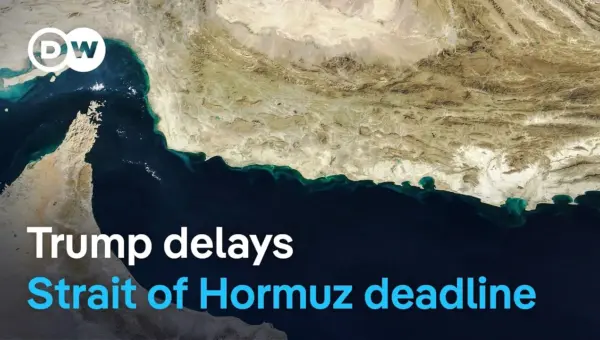
Trump Delays Iran Strike Deadline Amidst Shifting Diplomacy
President Donald Trump has extended his deadline for potential strikes on Iranian energy plants to April 6th, amid reports of U.S.-Iran diplomatic talks mediated by Pakistan. This move comes as Israel continues its strikes on Iran and the U.S. deploys additional military assets to the region. Analysts point to mixed signals, economic pressures, and strategic miscalculations as key factors shaping the evolving situation.

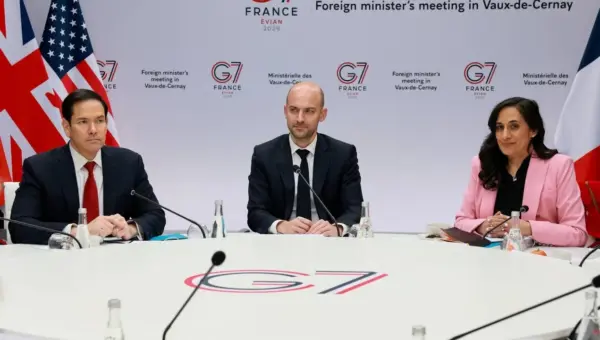
Rubio Puts US First at G7 Summit, Sparks Debate
Secretary of State Marco Rubio attended the G7 summit in France, emphasizing his commitment to serving the American people above all else. The meeting addressed the war in Iran and Russia's role, revealing differing approaches among allies on regional security and the Strait of Hormuz.