Trump DOJ Faces Heat Over Redacted Epstein Files
The U.S. Department of Justice is facing congressional pressure over the handling of Jeffrey Epstein-related documents, with allegations of excessive redactions and hidden files. Attorney General Pam Bondi has been subpoenaed to testify under oath amid bipartisan calls for transparency.

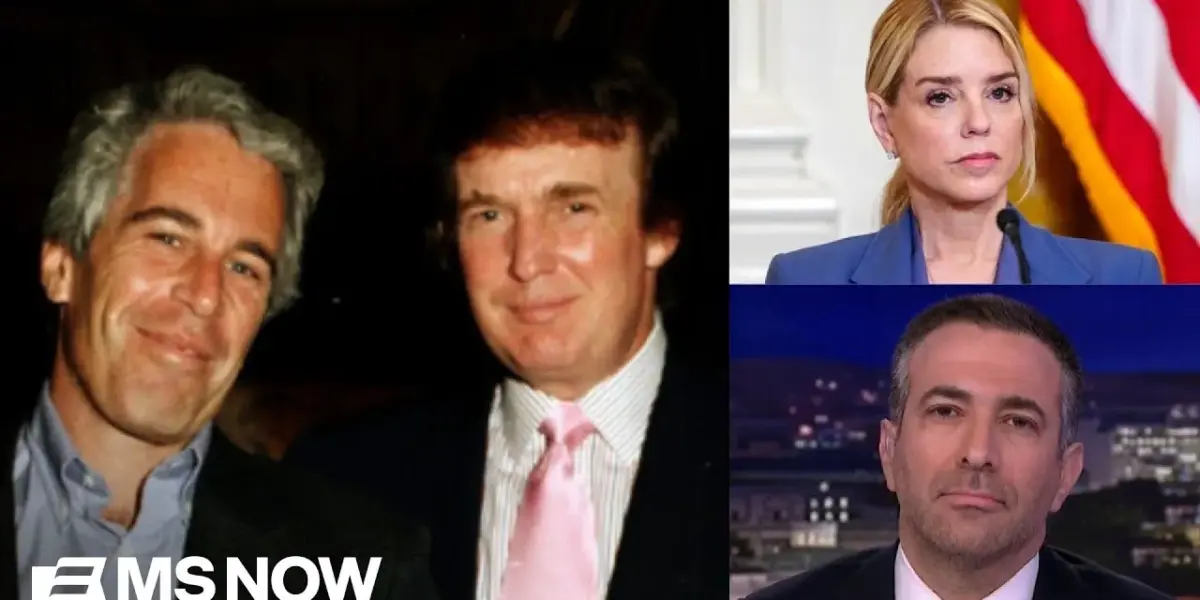
DOJ Under Fire for Epstein Document Redactions
The U.S. Department of Justice is facing intense pressure from Congress over the handling of documents related to Jeffrey Epstein. Top lawmakers are meeting with Attorney General Pam Bondi and Deputy AG Blanche to discuss allegations of hidden files and excessive redactions. This meeting is crucial, but lawmakers stress it is not a replacement for sworn testimony. Congressman Garcia emphasized that a closed-door session cannot substitute for a full deposition under oath.
Past Controversies Plague Attorney General Bondi
Pam Bondi has already faced significant backlash from Trump supporters and calls for impeachment due to previous Epstein-related issues. These include the “binder incident” and “finder gate,” where a campaign to release Epstein files was criticized for being incomplete. Bondi famously claimed to have a client list on her desk early last year, a statement that angered many. She also made claims that individuals linked to Epstein were cleared of wrongdoing, a statement now questioned by ongoing investigations in other countries.
Congress Subpoenas Bondi Amid Bipartisan Pressure
In a significant development, Congress has officially subpoenaed Attorney General Bondi regarding the Epstein case. This move highlights bipartisan pressure on the Justice Department. With Republicans controlling Congress, the subpoena signals a unified demand for transparency. Bondi is scheduled to testify under oath on April 14th, marking a high-stakes moment in the ongoing investigation.
Deputy AG Blanche Takes Center Stage
While Bondi has faced scrutiny, her Deputy, Todd Blanche, has played a prominent role in the rollout of Epstein files. He signed letters to Congress during the piecemeal release and handled press related to the documents. This shift in focus to Blanche has led some to believe he is being positioned to manage the fallout, potentially pushing a narrative of a cover-up. Lawmakers are concerned about the heavy redactions on a 2015 DEA money laundering probe, which investigated drug distribution and an alleged prostitution ring involving Epstein and over ten other individuals.
Questions Mount Over Redactions and Accountability
The extensive redactions on the DEA probe documents have raised serious questions. While some redactions are common in sensitive investigations, Congress passed a law specifically aimed at preventing overly broad redactions. This law requires unredacted information unless names are involved that fall under specific exceptions. Deputy Attorney General Blanche has stated he is not defending Epstein but explaining the department’s process. He insists the DOJ is pursuing all perpetrators and denies any narrative of ignoring Epstein’s victims.
“We’re confident. There’s also new questions about an orange-colored figure going up the stairs towards Epstein’s cell around 10:39 p.m. the night he died. Do you know who that person was? I don’t think we know.”
Epstein’s In-Custody Death Under Renewed Scrutiny
The circumstances surrounding Epstein’s death in jail are also under renewed scrutiny. Newly released files have prompted questions about the DOJ’s past statements on the matter. Blanche was asked about the possibility of suicide, to which he responded with confidence. However, questions persist about an unidentified figure seen on security footage near Epstein’s cell on the night he died. This raises concerns about what was happening in the hours leading up to his death.
Accountability for Guards Questioned
The accountability of prison guards involved in Epstein’s death has also been a point of contention. While two guards were prosecuted, they ultimately entered non-prosecution agreements. Lawmakers and victims argue this does not equate to true accountability. Reports indicate that charges against these guards were dropped, a move seen by many as a failure to ensure justice. This pattern of issues with accountability and transparency has plagued the government’s handling of the Epstein case for years.
New York Times Writer Weighs In
Emily Bazelon, a writer for The New York Times Magazine, has extensively covered the Epstein story. She believes the current redactions on documents are excessive and difficult to justify, especially given the law passed by Congress. Bazelon also expressed skepticism about Deputy AG Blanche’s claims that everything is fine, suggesting a possible attempt to downplay the ongoing issues. She points out the inconsistency in the DOJ’s stance, which claims to be aggressively pursuing all perpetrators while simultaneously stating there is little else to investigate.
Broader Implications and Future Testimony
The ongoing controversy highlights a deep distrust in the Justice Department’s handling of the Epstein case. The extensive redactions and questions about accountability suggest a potential effort to conceal information. As Attorney General Bondi prepares to testify under oath, the focus will be on whether the DOJ can provide satisfactory answers and restore public confidence. The case continues to raise fundamental questions about justice, transparency, and the powerful individuals involved in Epstein’s network.
Source: Trump can’t escape Epstein: DOJ under pressure as files EXPOSE Epstein’s bid to scrub past online (YouTube)

Related Articles

TSA Funding Fight Sparks Airport Chaos, Worker Exodus
TSA officers will soon receive back pay after President Trump signed an emergency order, but the ongoing congressional funding fight continues to cause airport chaos. Long security lines and a significant number of TSA officer resignations highlight the deep divisions over border security measures, leaving travelers frustrated.

GOP Leaders Clash Over DHS Funding, Exposing Deep Divisions
Republican leaders are struggling to find common ground on Department of Homeland Security funding, exposing deep divisions within the party. A proposed House resolution faces an uphill battle due to Senate recess and internal GOP dissent. Speaker Mike Johnson appears to be prioritizing appeasing a conservative faction over seeking broader bipartisan support.

Democrats Demand End to DHS Shutdown, Pass Bipartisan Bill
Democrats are demanding an immediate end to the Department of Homeland Security (DHS) shutdown, urging House Republicans to pass a bipartisan Senate bill. The legislation aims to fund essential services, pay TSA agents, and end airport chaos. Democrats criticize Republicans for obstructing the bill to push ideological agendas and reform ICE.