Who Holds the Power to Declare War in the U.S.?
The U.S. Constitution grants Congress the power to declare war, a right last exercised in 1941. However, a history of presidential actions and broad congressional authorizations has shifted war-making authority towards the executive branch. Current debates highlight the ongoing struggle to reassert congressional oversight in military engagements.

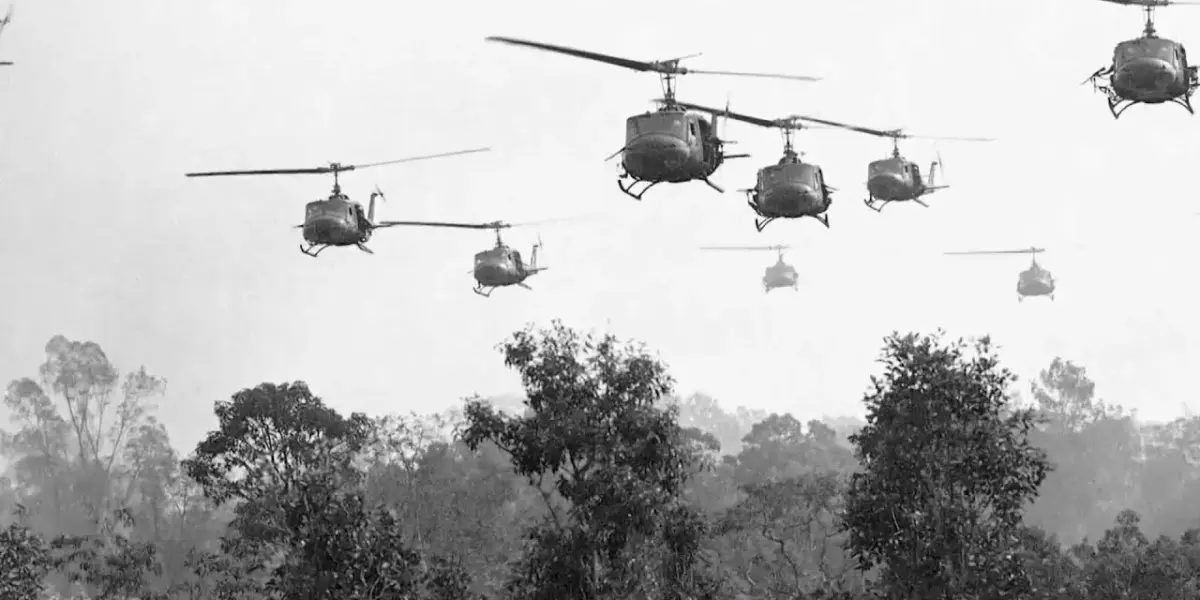
Congress or President: The Battle Over War Powers
The question of who has the ultimate authority to commit U.S. troops to war is once again at the forefront of national debate. As the nation grapples with ongoing military actions and the potential for new conflicts, the constitutional balance of power between Congress and the President is being closely examined. The U.S. Constitution clearly states that Congress holds the power to declare war, but in practice, this has become a complex and often blurred line over the decades.
A Constitutional Power Defined
The U.S. Constitution, in Article I, Section 8, grants Congress the explicit power “to declare War.” This was intended as a key check on executive power, ensuring that a declaration of war, a momentous decision with profound consequences, would be made by the nation’s elected representatives. The last time the U.S. officially declared war was in 1941, following the attack on Pearl Harbor, which led to hostilities against Japan.
Shifting Power: From Truman to Today
Historically, presidents sought congressional approval and funding before engaging in significant military actions. However, this dynamic began to shift in the mid-20th century. In 1950, President Harry Truman deployed U.S. troops to Korea without a formal declaration of war from Congress. He cited United Nations authorization and his authority as Commander in Chief for his actions. While Congress eventually provided funding, this event marked a significant expansion of presidential war-making powers.
The costly and prolonged conflicts in Korea and Vietnam, which resulted in tens of thousands of American casualties, prompted Congress to try and reclaim its constitutional role. In 1973, Congress passed the War Powers Resolution. This law requires the President to inform Congress within 48 hours of deploying troops into hostilities. It also limits the duration of such deployments to 60 or 90 days without specific congressional authorization.
Modern Interpretations and Congressional Inaction
Despite the War Powers Resolution, presidents from both parties have continued to commit U.S. forces to military actions without explicit declarations of war. Presidents like Ronald Reagan, Bill Clinton, and Barack Obama have all initiated military engagements that fell into a gray area of presidential authority. Following the September 11, 2001, terrorist attacks, Congress passed the Authorization for Use of Military Force (AUMF). This resolution broadly empowered the President to use force against those associated with the attacks. The AUMF has been used by every president since then to justify various military actions, extending far beyond its initial intent.
A second AUMF related to Iraq further solidified congressional, albeit indirect, authorization for prolonged military engagement in the region. Some argue that these authorizations, even without using the specific phrase “declare war,” represent Congress exercising its Article One powers. However, critics point out that in many instances, Congress has effectively ceded its war-making authority through inaction, allowing presidents to conduct military operations without robust oversight or clear legislative approval.
Current Debates and Future Implications
The current political climate highlights these ongoing tensions. In recent times, congressional votes intended to limit presidential military campaigns have been blocked by members of Congress. Notably, a recent measure in the Republican-controlled Congress aimed at ending U.S. involvement in the conflict with Iran was rejected. This leaves the nation in a position where the President’s actions, even in ongoing conflicts, face limited congressional challenge.
Democrats are now preparing to force a vote on prohibiting military action in Cuba without congressional approval. This move underscores the growing concern among lawmakers about the executive branch’s unilateral power in matters of war and peace. As the debate continues, the fundamental question remains: who truly holds the power to declare war, and how can the constitutional balance be restored to ensure democratic accountability in matters of national security?
The ongoing debate over war powers highlights a critical tension in American governance. While the Constitution vests the power to declare war in Congress, successive administrations and congressional actions have blurred these lines. Future actions, particularly concerning potential new conflicts, will likely continue to test this delicate balance, demanding clear-eyed attention to the foundational principles of American democracy and the checks and balances designed to safeguard them.
Source: Exploring who has the power to declare war (YouTube)

Related Articles

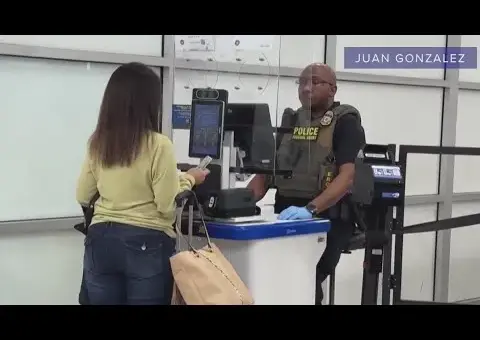
Senate Funds DHS, Leaving House to Decide Border Fight
The U.S. Senate has agreed to fund most of the Department of Homeland Security, providing salaries for TSA and FEMA. However, funding for ICE and Border Patrol was left out. The House of Representatives now faces the decision, with disagreements over border reforms potentially causing further delays.

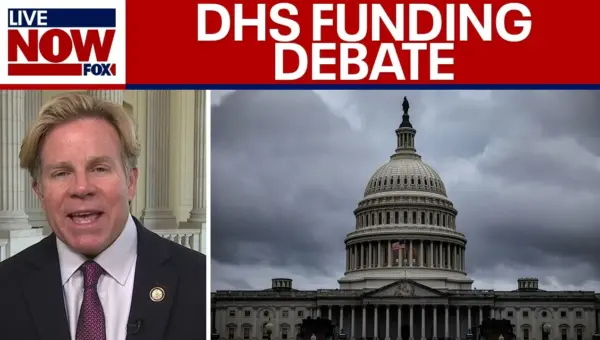
House Considers DHS Funding to End Shutdown Stalemate
The House is poised to vote on a Department of Homeland Security (DHS) funding bill passed by the Senate, aiming to end a 42-day government shutdown. The measure would fund essential personnel like TSA agents but excludes funding for ICE and imposes no new immigration limits. Congressman Mike Heridopoulos expressed urgency to resolve the "silly shutdown" and highlighted concerns about long-term damage to federal agencies.

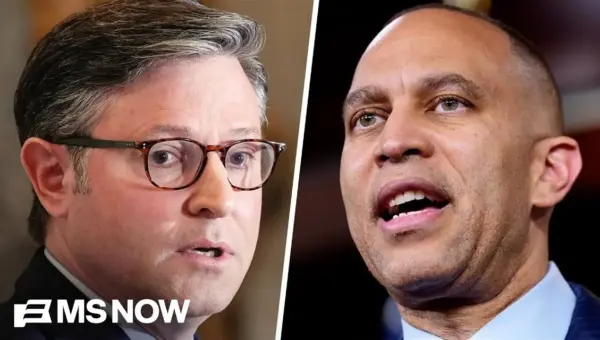
TSA Lines Snag Amid Senate Funding Vote, Democrats Demand Reforms
The Senate has passed a partial funding bill for the Department of Homeland Security, sending it to the House. Democrats are pushing for an immediate vote to ensure TSA workers get paid, but key immigration reforms remain a major sticking point. Congressman James Walkinshaw stated he will not vote for ICE or CBP funding without reforms, calling the current situation "good governance? It isn't."